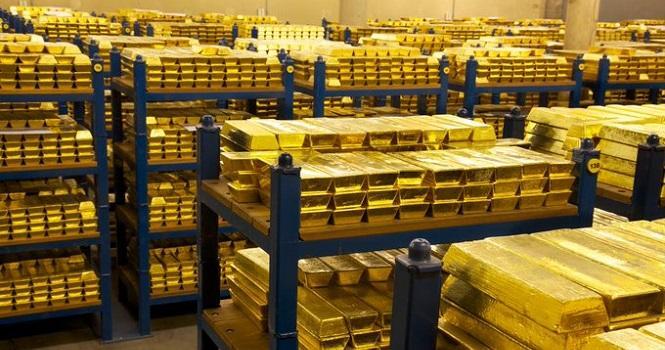
BRICS+ economies have sharply increased their gold reserves, collectively surpassing 6,000 tonnes and raising their share of global central bank holdings from 11.2% in 2019 to 17.4% by April 2026. This shift signals a structural change in how emerging economies manage reserves and reduce reliance on the U.S. dollar.
The scale and pace of this accumulation reflect a coordinated strategic move rather than routine reserve diversification. Data from multiple market analyses show that central banks globally purchased more than 1,200 tonnes of gold in 2025 alone—marking the third consecutive year of purchases exceeding 1,000 tonnes. Much of this demand has been driven by large emerging economies, including China, India, and Turkey, which together accounted for roughly 42% of total buying.
This trend has its roots in the geopolitical and financial disruptions of recent years. Following the freezing of approximately $300 billion in Russian foreign reserves in 2022, many countries reassessed the risks of holding assets denominated in foreign currencies. Gold, being a physical and non-sovereign asset, has increasingly been viewed as a strategic hedge against sanctions, currency volatility, and systemic financial risks.

The latest data reinforces that this is not a temporary adjustment. Central banks continued to add to their reserves into 2026, with net purchases recorded in early months of the year and sustained buying streaks from key economies such as China. In fact, China alone has maintained consecutive monthly gold purchases, underlining the consistency of this policy shift.
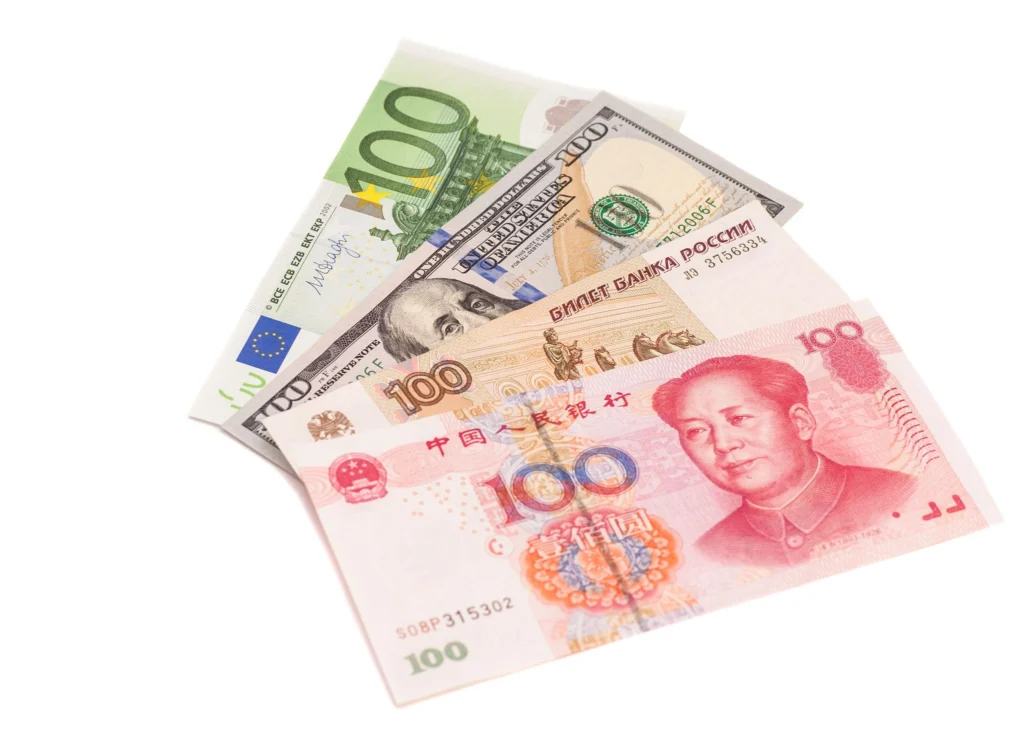
The implications extend beyond reserve management into the broader global financial system. Analysts increasingly link this accumulation to a wider “de-dollarization” trend, where countries seek to reduce dependence on the U.S. dollar in trade and reserves. Supporting this view, the dollar’s share of global foreign exchange reserves has declined to around 57% by late 2025—its lowest level in decades—indicating a gradual diversification across central banks.
Gold’s appeal in this context is twofold: it acts as a hedge against inflation and geopolitical uncertainty, while also serving as a neutral settlement asset in international trade. Some BRICS-related initiatives have even explored the concept of a gold-linked settlement system, further embedding bullion into long-term monetary strategy.
Market dynamics are already reflecting this structural demand. Unlike retail or institutional investors, central banks typically buy gold as a policy decision rather than for short-term profit. This creates a persistent demand floor that supports prices even during periods of volatility. Analysts note that such steady sovereign buying has helped stabilize gold markets despite fluctuations in investor sentiment.
At the same time, the concentration of gold reserves within BRICS+ countries is becoming more pronounced. Estimates suggest that China and Russia together account for a significant share of the bloc’s holdings, reinforcing their influence in shaping this emerging reserve strategy.
Looking ahead, the trajectory suggests continued accumulation rather than a reversal. Projections indicate central banks could still purchase between 750 and 850 tonnes of gold in 2026, maintaining historically elevated levels of demand. If this trend persists, the role of gold in the global monetary system is likely to expand further, potentially accelerating the shift toward a more multipolar reserve framework.
In practical terms, the rise of BRICS+ gold reserves reflects a broader recalibration of financial power. While the U.S. dollar remains dominant, the increasing share of gold held by emerging economies indicates a gradual redistribution of monetary influence—one that could reshape global finance over the coming decade.