

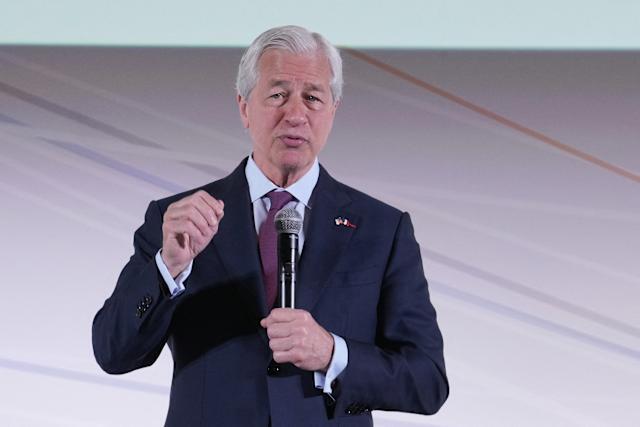
JPMorgan Chase CEO Jamie Dimon has warned that the ongoing war in Iran could trigger oil and commodity price shocks severe enough to keep inflation elevated and force interest rates higher than markets currently expect—an assessment that underscores rising concern among top financial leaders about the global economic outlook.
The warning, delivered in Dimon’s closely watched annual letter to shareholders, comes at a moment of heightened geopolitical tension. The conflict has already rattled energy markets and raised fears of supply disruptions, particularly around the Strait of Hormuz, a critical global oil transit route. Dimon’s remarks signal that these risks are no longer theoretical but are increasingly being priced into economic forecasts and investment strategies.
Dimon’s concerns are rooted in the direct link between geopolitical instability and energy costs. Oil price spikes tend to ripple through the broader economy, raising transportation, manufacturing, and consumer costs. According to Reuters, Dimon cautioned that the Iran conflict could lead to “significant ongoing oil and commodity price shocks,” which in turn may result in “stickier inflation” than previously expected. This challenges the prevailing market assumption that inflation will gradually ease in the coming quarters.

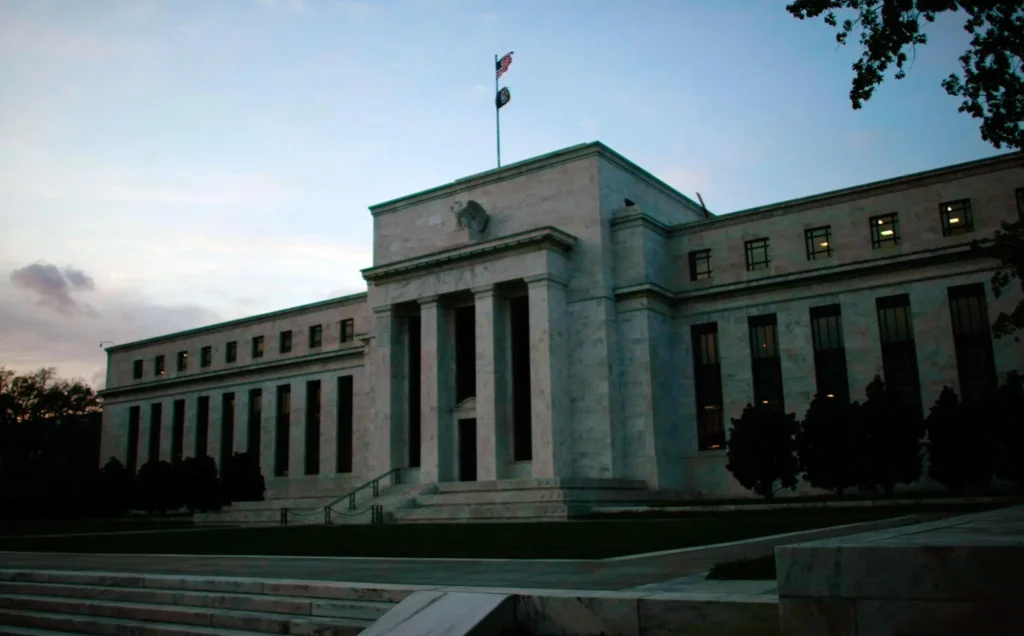
The implications for monetary policy are particularly important. If inflation remains persistent, central banks—especially the U.S. Federal Reserve—may be forced to keep interest rates elevated for longer or even raise them further. Dimon explicitly warned that such conditions could push rates “higher than the market now expects,” a scenario that would affect borrowing costs, asset prices, and economic growth.
Recent central bank behavior supports this cautious outlook. Policymakers globally have already shown reluctance to cut rates amid geopolitical uncertainty, with most major central banks holding rates steady in recent decisions due to volatile oil prices and inflation risks tied to the Middle East conflict. This suggests that Dimon’s warning aligns with a broader shift in how institutions are assessing risk.
Despite these concerns, Dimon noted that the U.S. economy has remained relatively resilient, supported by strong consumer spending and business activity. However, he also pointed out that this resilience has been partly driven by government deficit spending and past stimulus measures, raising questions about how sustainable the current growth trajectory is if external shocks intensify.
From a professional and market perspective, the significance of Dimon’s comments lies in their timing and source. As the head of the largest U.S. bank, his views carry weight across financial markets. His warning suggests that investors may need to reassess expectations around inflation, interest rates, and asset valuations. Higher rates typically reduce the appeal of equities and increase the cost of capital, which can slow investment and economic expansion.
Moreover, the risk is not limited to energy markets alone. Dimon highlighted broader geopolitical tensions—including the war in Ukraine and strained relations with China—as compounding factors that could reshape global supply chains and add further inflationary pressure. This creates a complex environment where multiple risk factors interact, making economic forecasting more uncertain.
Looking ahead, the trajectory of inflation and interest rates will depend heavily on how the Iran conflict evolves. A prolonged disruption to oil supplies could entrench higher inflation and force policymakers into a more aggressive stance. Conversely, any de-escalation or stabilization in energy markets could ease pressure and support a more balanced economic outlook.

For now, Dimon’s message is clear: the global economy is entering a phase where geopolitical risks are once again a primary driver of inflation and monetary policy. Investors and policymakers alike may need to adjust quickly as these risks unfold.