Western Australia has moved to stabilize its struggling nickel sector with a A$15 million loan program, as extreme price volatility continues to threaten the viability of key battery metal operations.
The state government confirmed it will provide interest-free loans totaling A$15 million to support active nickel miners, restart idled operations, and accelerate new projects. The initiative is designed as a short-term financial bridge, with repayments deferred until July 2028 or until nickel prices exceed US$22,000 per tonne for two consecutive quarters.
This intervention comes at a critical moment for Western Australia’s mining industry, which has faced prolonged pressure from global oversupply and falling prices. Nickel, a core component in electric vehicle batteries and stainless steel, has experienced sharp swings over recent years, creating operational uncertainty for producers.
The current policy response reflects deeper structural challenges. Global nickel prices dropped to a multi-year low of US$13,874 per tonne in April 2025 before recovering to around US$16,916 per tonne by April 2026, according to S&P Global data. At the same time, industry forecasts suggest prices may average roughly US$17,146 per tonne in 2026, indicating only a gradual recovery rather than a full rebound.
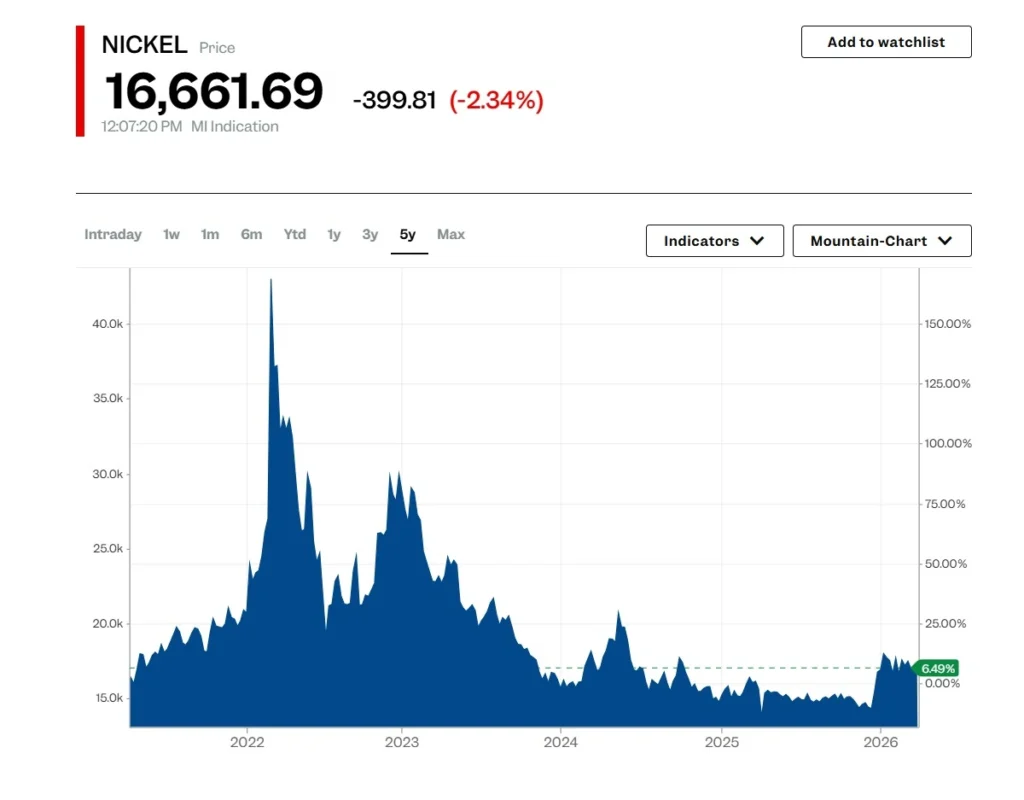
The underlying issue is persistent oversupply, largely driven by rapid production growth in Indonesia. Analysts have warned that global surpluses could continue for several years, keeping prices under pressure and pushing many producers toward unprofitability. In fact, estimates indicate that about one-quarter of global nickel producers are operating at a loss, with some at risk if prices fall below the US$15,000 threshold.
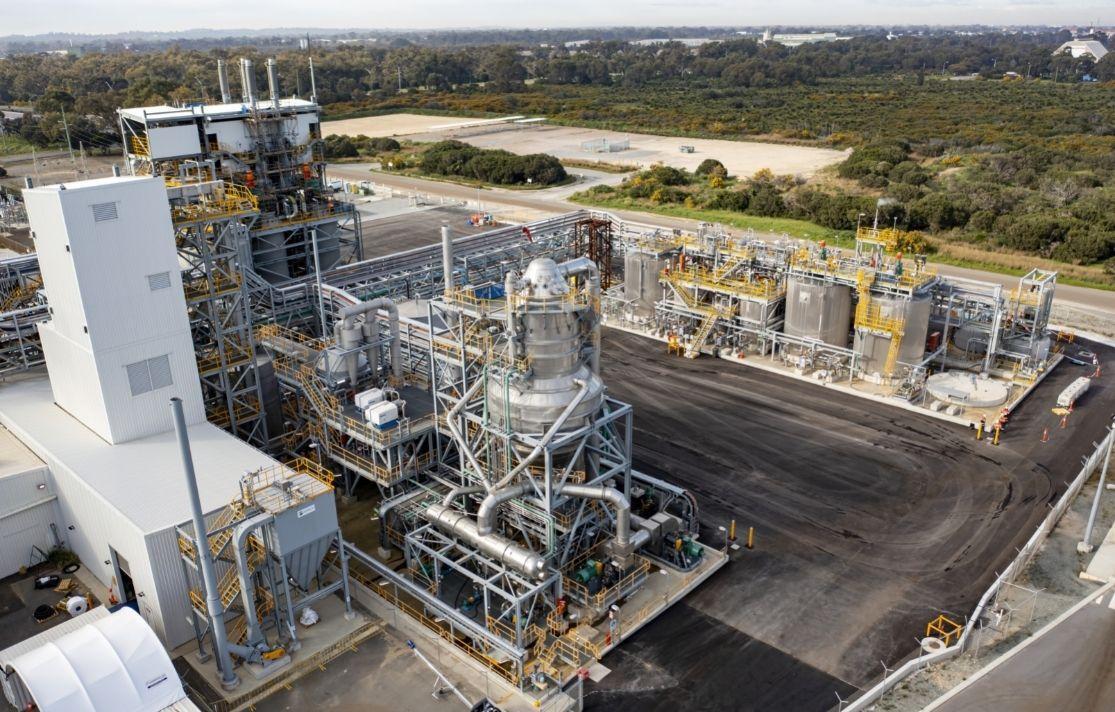
Western Australia’s nickel sector has been particularly exposed due to higher operating costs and stricter environmental standards compared to lower-cost producers. These conditions have already led to mine suspensions and processing plant shutdowns, with direct implications for employment and export revenues.
The government’s loan initiative is therefore both defensive and strategic. Officials have framed nickel as a critical mineral essential to the global energy transition, particularly in battery manufacturing and downstream processing. By providing liquidity support, the policy aims to preserve production capacity until market conditions improve, ensuring the state remains competitive in the long-term supply chain for electric vehicles and clean energy technologies.
Industry participants have welcomed the move as timely. According to S&P Global reporting, executives described the support as a “practical show of support” during a prolonged downturn, especially as early signs of price stabilization begin to emerge.
However, the effectiveness of the initiative will depend heavily on global market dynamics beyond Australia’s control. Demand growth for nickel—driven by electric vehicles and stainless steel—remains strong, with consumption rising by more than 5% year-on-year in 2025. Yet this demand has been offset by increasing supply and shifts toward alternative battery technologies that use less or no nickel.
The loan structure itself reflects this uncertainty. By tying repayment conditions to a price recovery threshold, the government has effectively linked fiscal exposure to market performance. This approach provides immediate relief while limiting long-term financial risk, but it also assumes that prices will eventually return to sustainable levels.
Looking ahead, Western Australia’s intervention signals a broader trend of governments stepping in to support critical mineral industries amid volatile global markets. While short-term stabilization appears achievable, the longer-term outlook will depend on whether supply-demand imbalances ease and whether nickel retains its central role in battery technologies. If prices remain subdued, further policy support—or industry consolidation—may become unavoidable.