
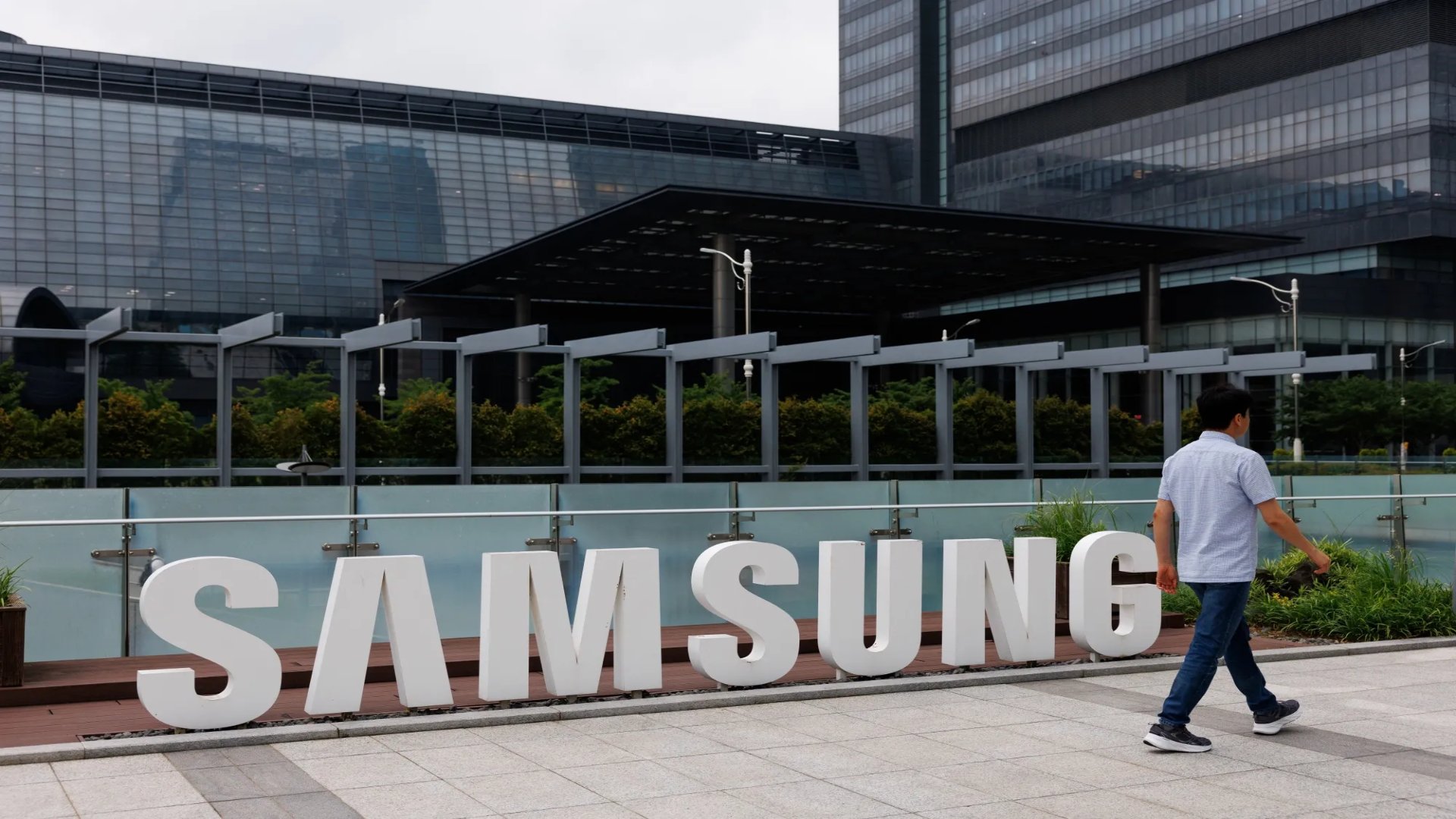
Samsung Electronics is facing renewed market scrutiny after a major shareholder moved to offload a significant stake, signaling ongoing financial pressures within the founding family structure.
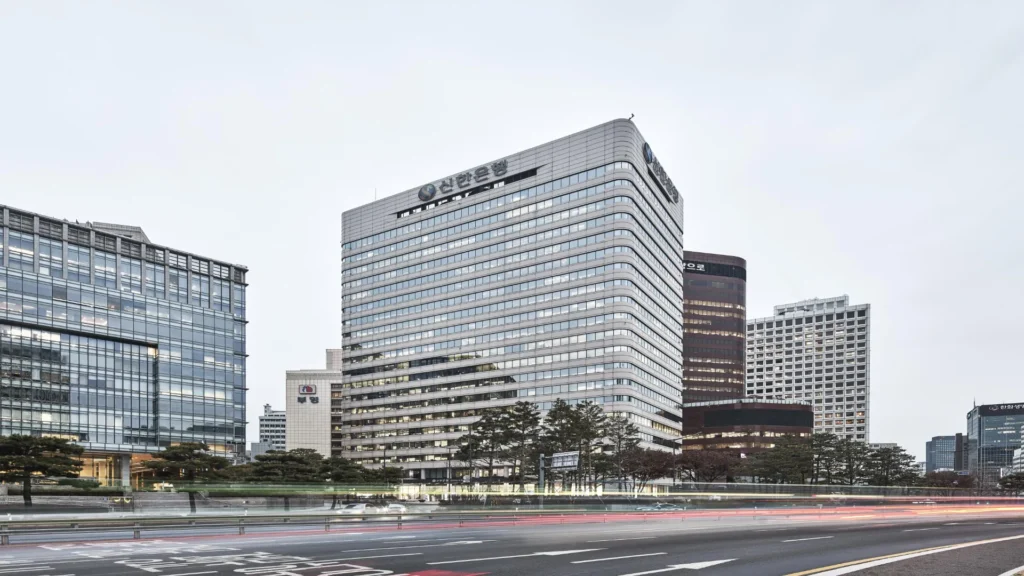
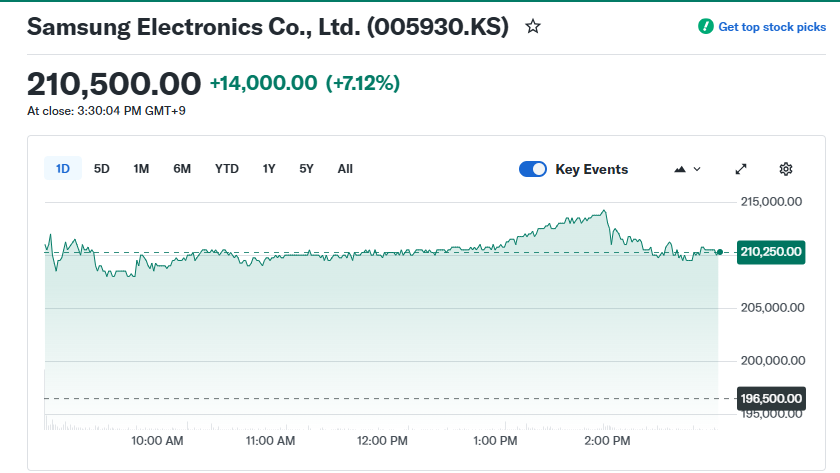
Shinhan Bank has launched a $2.1 billion share sale of Samsung Electronics stock, offering around 15 million shares, according to a term sheet reviewed on Wednesday. The shares are being marketed at 204,395 to 208,605 won each, representing adiscount of up to 2.9% from the previous closing price of 210,500 won.
The offering accounts for roughly 0.25% of Samsung Electronics’ total outstanding shares, a relatively small stake but large enough in value to influence short-term market sentiment.
The transaction is not an isolated event but part of a broader, ongoing restructuring tied to the Lee family, which controls Samsung. Regulatory filings indicate the shares are linked to a disposal trust agreement signed earlier this year by Hong Ra-hee, the mother of Chairman Jay Y. Lee. The stated purpose is to fund tax payments and loan repayments, continuing a multi-year effort to settle inheritance obligations following the death of Samsung patriarch Lee Kun-hee.
This backstory is critical to understanding the move. The Lee family has been dealing with one of the largest inheritance tax bills globally—estimated at around 12 trillion won (over $8 billion)—payable in installments over five years starting in 2021. Previous filings show similar share sales, including a $1.2 billion stake disposal in 2025, were executed under similar conditions to raise liquidity.

In the current context, the timing of the sale is notable. Samsung Electronics has been benefiting from a strong semiconductor cycle, particularly driven by demand for AI-related memory chips, which has supported its stock performance. Selling into this relative strength allows the family to secure liquidity while minimizing price impact, though the discounted block sale structure reflects the need to attract institutional buyers quickly.
From a market perspective, block trades of this size typically create short-term pressure on share prices. The 0.9%–2.9% discount range offered in this deal is consistent with institutional placements, but it also signals that sellers are prioritizing certainty of execution over maximizing price.
More broadly, the transaction highlights a structural issue within large family-controlled conglomerates in Asia: balancing ownership control with liquidity needs. While Samsung Electronics itself remains financially strong, repeated share disposals by its controlling family can weigh on investor sentiment, particularly among retail shareholders who view such sales as a signal of internal financial strain.
At the same time, the involvement of Shinhan Bank underscores the role of financial institutions in facilitating these transitions. The bank is not only executing the sale but has also expanded lending exposure to Samsung in recent months, reflecting deep financial linkages between Korea’s largest corporate and banking groups.
Despite the scale of the transaction, Samsung Electronics declined to comment, and Shinhan Bank was not immediately available for response outside business hours.
Looking ahead, the key issue is whether such disposals remain periodic and controlled or begin to accelerate. If the Lee family continues to rely on equity sales to meet financial obligations, it could introduce recurring supply into the market, potentially capping upside in the stock. However, if the inheritance-related liabilities are resolved within the planned timeline, these transactions may gradually taper off, restoring greater stability to Samsung’s shareholder structure.