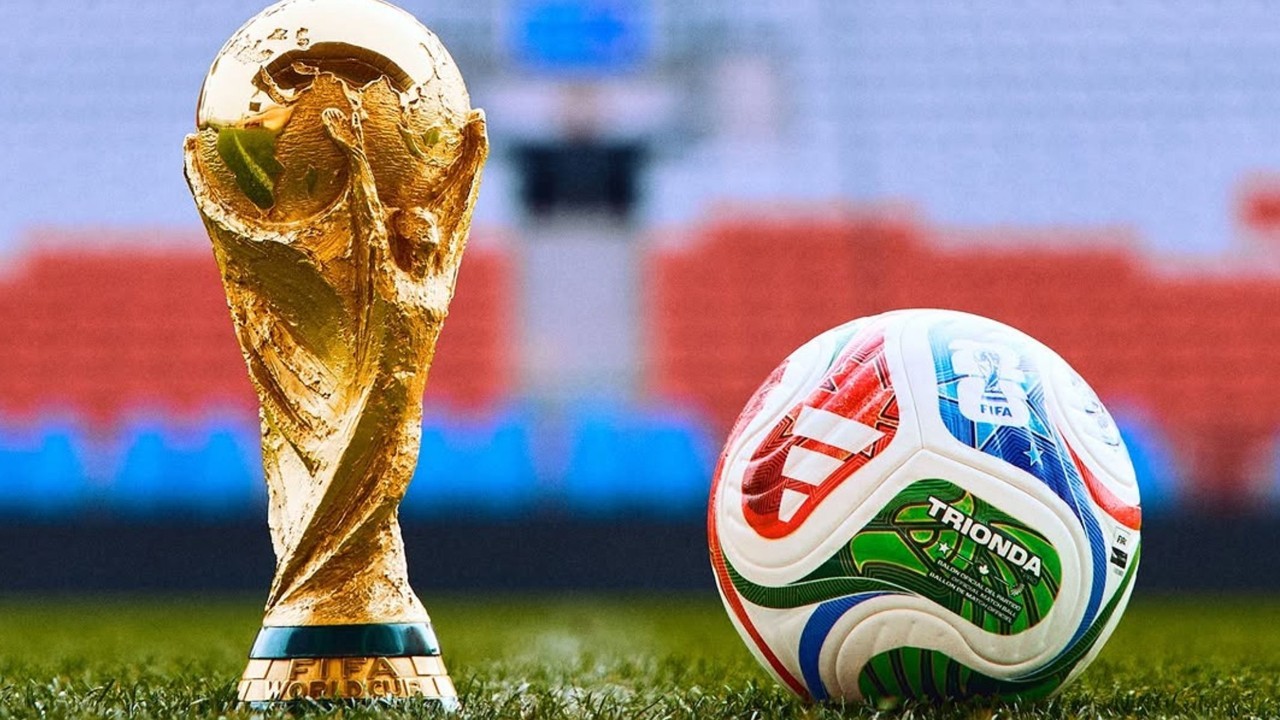
With just 50 days remaining before kickoff, FIFA World Cup 2026 has entered a critical phase as FIFA officially reopens its last-minute ticket sales window—offering fans a final opportunity to secure seats for the biggest World Cup in history.
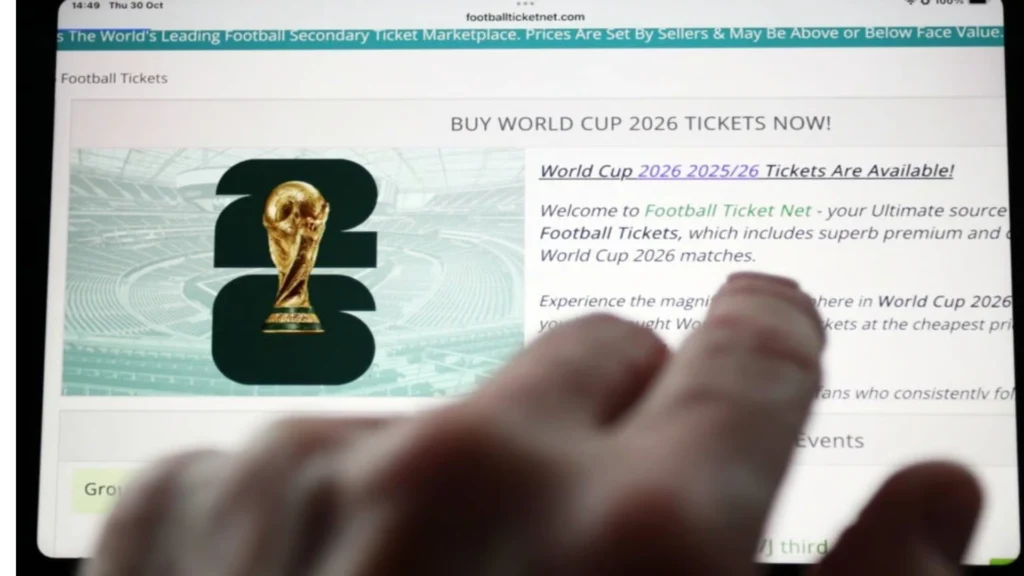
The governing body confirmed that tickets for all 104 matches are now available again on a first-come, first-served basis, marking a decisive shift from earlier lottery-based allocations to real-time sales as the tournament approaches.
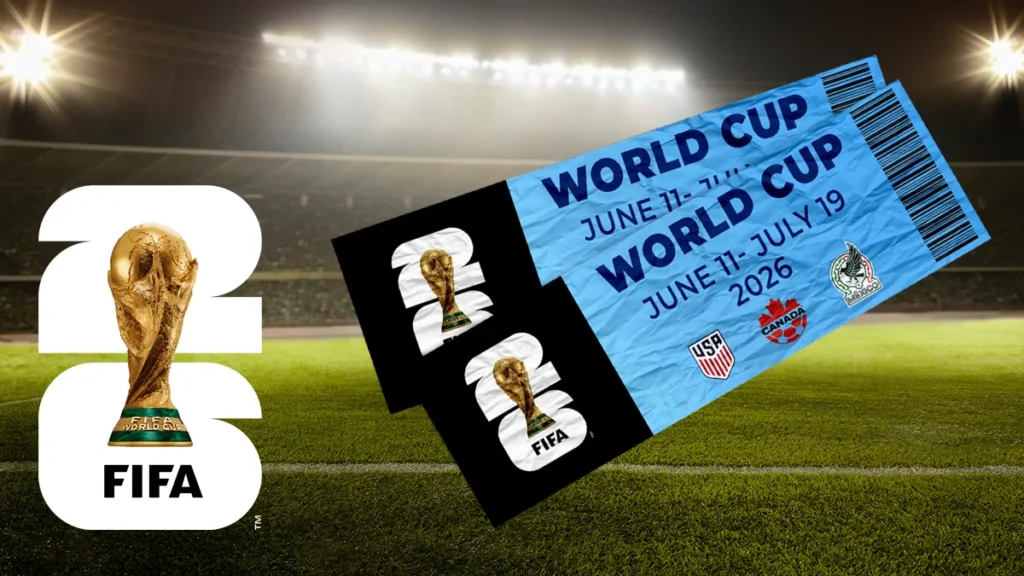
This reopening is part of FIFA’s “Last-Minute Sales Phase,” which will continue releasing ticket inventory in stages right up until the final match on July 19. The tournament itself kicks off on June 11 across three host nations—the United States, Mexico, and Canada—making it the first World Cup to be jointly hosted by three countries and to feature an expanded 48-team format.
Surging Demand Meets Limited Supply
Demand for the 2026 edition has been unprecedented. FIFA reports that more than five million tickets have already been sold out of an expected total exceeding six million, leaving a shrinking pool for late buyers.
Earlier phases saw overwhelming global interest, including hundreds of millions of ticket requests during the lottery stage—an indicator of the tournament’s massive appeal.
Tickets currently available span Categories 1 to 3, along with premium front-row seating options, depending on match demand. Importantly, FIFA has confirmed that additional batches will be released periodically, a strategy designed to manage demand while maintaining availability until the tournament’s conclusion.
As the countdown continues, the success of this final sales phase will shape both stadium attendance and public perception of the tournament. If demand remains as strong as current figures suggest, the 2026 World Cup is on track to surpass previous attendance records and set new commercial benchmarks.
However, questions around affordability and access may persist beyond kickoff, potentially influencing how FIFA structures ticketing for future tournaments. For now, one reality is clear: the final window to witness football’s biggest stage in person is open—but it may not stay that way for long.