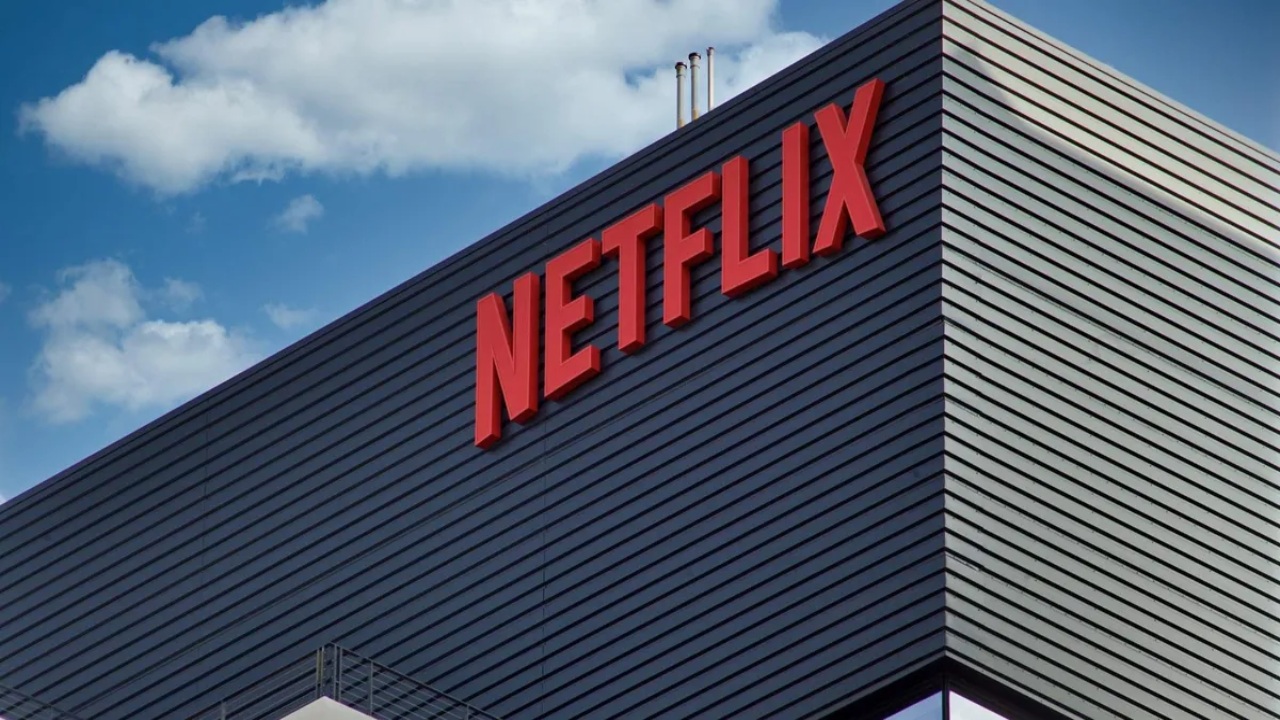
Netflix has sharply pivoted its strategy after losing a high-stakes Hollywood acquisition battle, announcing a massive $25 billion expansion of its share buyback program just weeks after abandoning its bid for Warner Bros Discovery.
The streaming giant confirmed that its board approved the additional $25 billion repurchase plan, signaling a clear shift from aggressive mergers to rewarding shareholders and strengthening its own balance sheet.
The move follows Netflix’s decision earlier this year to walk away from a roughly $72 billion bid for Warner Bros. Discovery assets after being outmaneuvered in a bidding war.
The failed acquisition marked one of the most significant strategic reversals in Netflix’s recent history. For months, the company had pursued Warner Bros.’ studios and streaming assets as part of a broader effort to consolidate content power and compete more directly with legacy media giants. However, escalating costs and competing offers ultimately made the deal “no longer financially attractive,” forcing Netflix to withdraw.
Now, instead of pursuing scale through acquisition, Netflix is doubling down on capital returns and internal growth.
The newly authorized buyback comes on top of an existing repurchase program approved in December 2024, which still had about $6.8 billion remaining as of March 2026. Notably, the new authorization has no expiration date, giving Netflix flexibility in how and when it deploys the capital.
Market reaction suggests investors are supportive of the shift. Netflix shares rose roughly 1.5% in premarket trading following the announcement, reflecting confidence in the company’s financial strength and cash flow outlook.
The data also highlights how sentiment has evolved around the failed deal. Netflix stock had dropped about 9% when the Warner Bros. bid was first announced, but has since rebounded roughly 10% after the company exited the acquisition race. This reversal indicates that investors may have viewed the deal as risky, particularly given the scale of financing required.
Beyond shareholder returns, Netflix is actively redirecting resources into organic growth initiatives. In the weeks following its withdrawal, the company has increased subscription prices in the U.S., launched a children-focused gaming app, and acquired an AI-driven film technology company linked to actor Ben Affleck. These moves point to a broader strategy focused on technology, content innovation, and new revenue streams rather than large-scale consolidation.
Analysts also expect Netflix to intensify efforts in advertising, live programming, and sports content—areas seen as critical for expanding its ad-supported tier and diversifying revenue. At the same time, the company plans to maintain heavy content investment, with spending projected at around $20 billion this year.
The broader industry context reinforces why Netflix’s shift matters. Warner Bros. Discovery is now moving forward with a separate merger involving Paramount Skydance, a deal valued at over $100 billion and likely to reshape the competitive landscape if approved. With consolidation continuing among traditional media players, Netflix’s decision to stay independent—and return capital—sets it apart strategically.

Looking ahead, the key question is whether this pivot will sustain long-term growth. The buyback signals confidence, but it also raises expectations for performance in core areas like subscriber growth, advertising, and content quality. If Netflix can deliver on these fronts, the decision to abandon a mega-merger may be seen as disciplined and forward-looking. If not, pressure could return for the company to pursue scale through acquisition once again.
For now, Netflix is betting that investing in itself—and rewarding shareholders—is the smarter path in an increasingly competitive streaming war.