
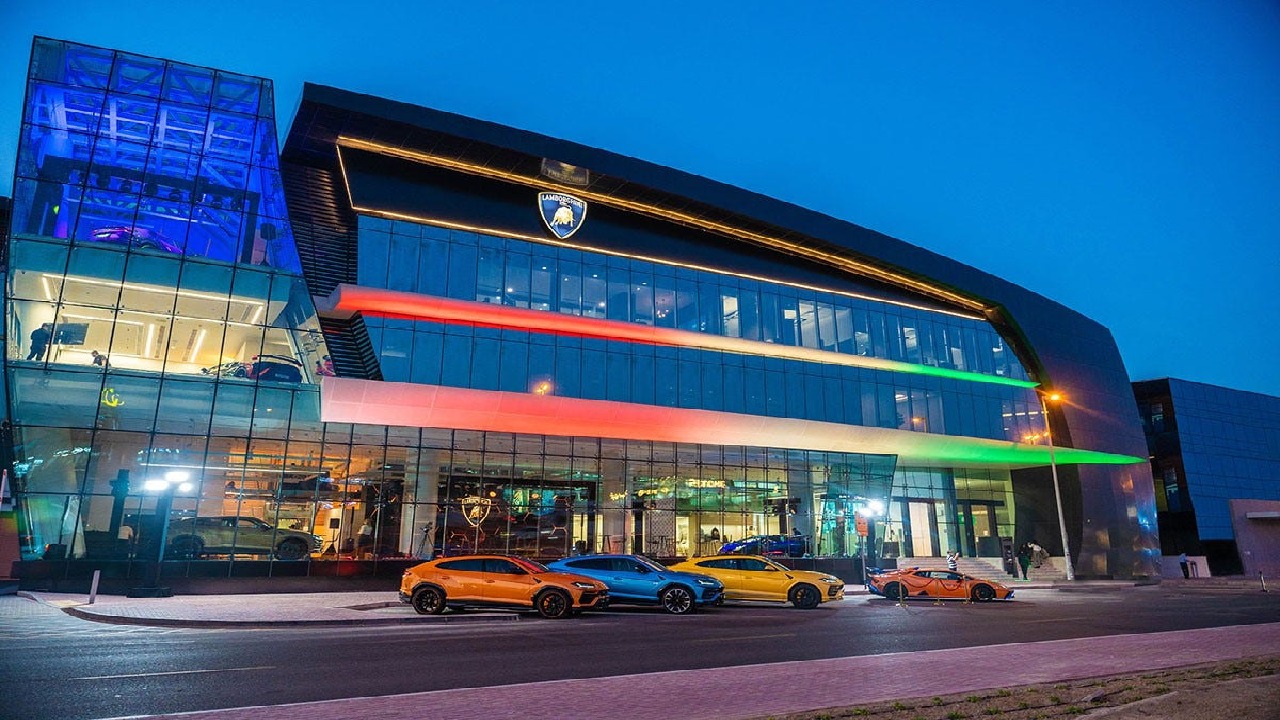
Lamborghini’s business in the Middle East has effectively ground to a halt, with CEO Stephan Winkelmann confirming that deliveries and sales across the region are currently at a standstill due to ongoing geopolitical disruptions.
According to Reuters, the Italian luxury carmaker has been unable to ship vehicles to key Gulf markets such as the UAE and Oman, while dealership activity has also been heavily impacted. The disruption comes during what is typically one of the most important sales periods for the region, amplifying the financial risk despite the Middle East accounting for a relatively small share of total volume.
The halt marks a sharp reversal for Lamborghini, which had just reported record global performance. In 2025, the company delivered 10,747 vehicles worldwide—its highest ever—highlighting strong demand across major markets. However, the Middle East plays a different role in its business model: while contributing only about 5% of global sales, the region generates disproportionately high margins due to demand for bespoke, high-end configurations.
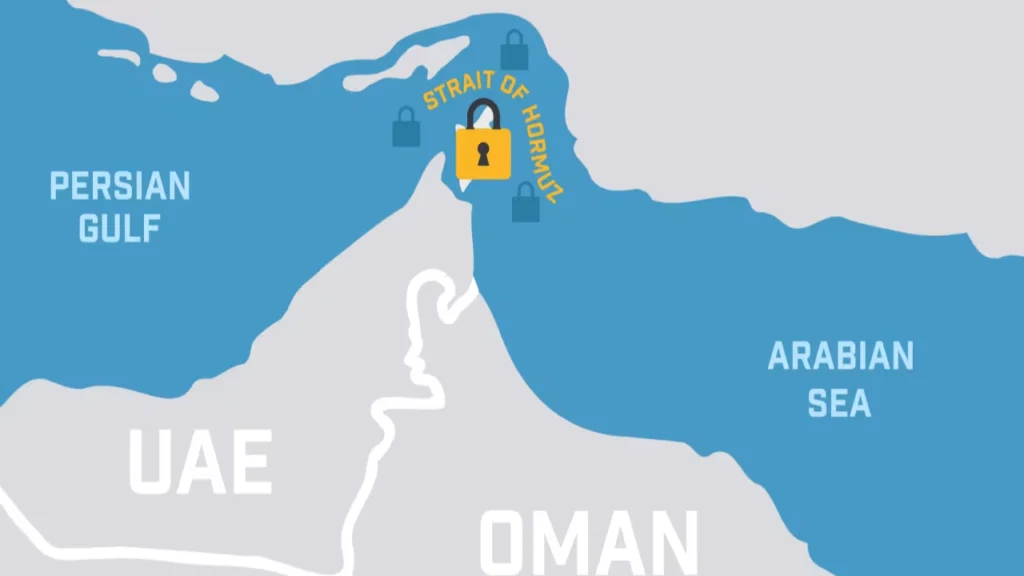
The current disruption is largely tied to escalating regional conflict that has affected shipping routes and commercial operations. Industry-wide, luxury automakers including Ferrari, Bentley, and Maserati have also paused or reduced deliveries, as maritime routes—particularly around the Strait of Hormuz—have become unreliable. This has led to delayed shipments, temporary showroom closures, and a sharp decline in dealership activity across key Gulf hubs.
Winkelmann noted that while orders placed months ago remain intact, they cannot currently be fulfilled due to logistical constraints and weakened on-ground demand. This distinction is critical: the issue is not a collapse in customer interest, but rather an inability to execute deliveries and complete transactions in an unstable environment.
The timing is especially problematic because the Middle East market is highly seasonal. Demand typically peaks before and after the extreme summer months, meaning any prolonged disruption could result in missed annual sales windows. Analysts warn that if instability continues, Lamborghini may be forced to redirect inventory to other regions—an approach it previously used during the COVID-19 pandemic to stabilize revenues.
There are already signs of broader financial pressure. Even before the current crisis, Lamborghini reported that external factors such as tariffs had begun to weigh on profitability, despite record revenues of around €3.2 billion in 2025. The Middle East disruption adds another layer of uncertainty, particularly because high-margin markets are crucial for maintaining overall profitability in the luxury segment.
More widely, the situation underscores how geopolitical risks are increasingly shaping the global luxury automotive industry. A recent Reuters report noted that high-end car sales in the Gulf have already declined sharply in some cases, with certain dealerships reporting drops of around 30% in business activity since the conflict escalated. Even ultra-wealthy buyers—traditionally seen as insulated from economic shocks—are not immune to operational disruptions.

Looking ahead, Lamborghini’s immediate priority will be restoring supply chains and dealership operations in the region. However, much depends on how quickly stability returns. If the conflict persists, the company may need to permanently rebalance its geographic strategy, shifting more inventory toward stable markets in the Americas and Asia.
For now, the halt in Middle East operations serves as a stark reminder: even the world’s most exclusive brands are vulnerable when geopolitical risk disrupts the foundations of global trade.
