
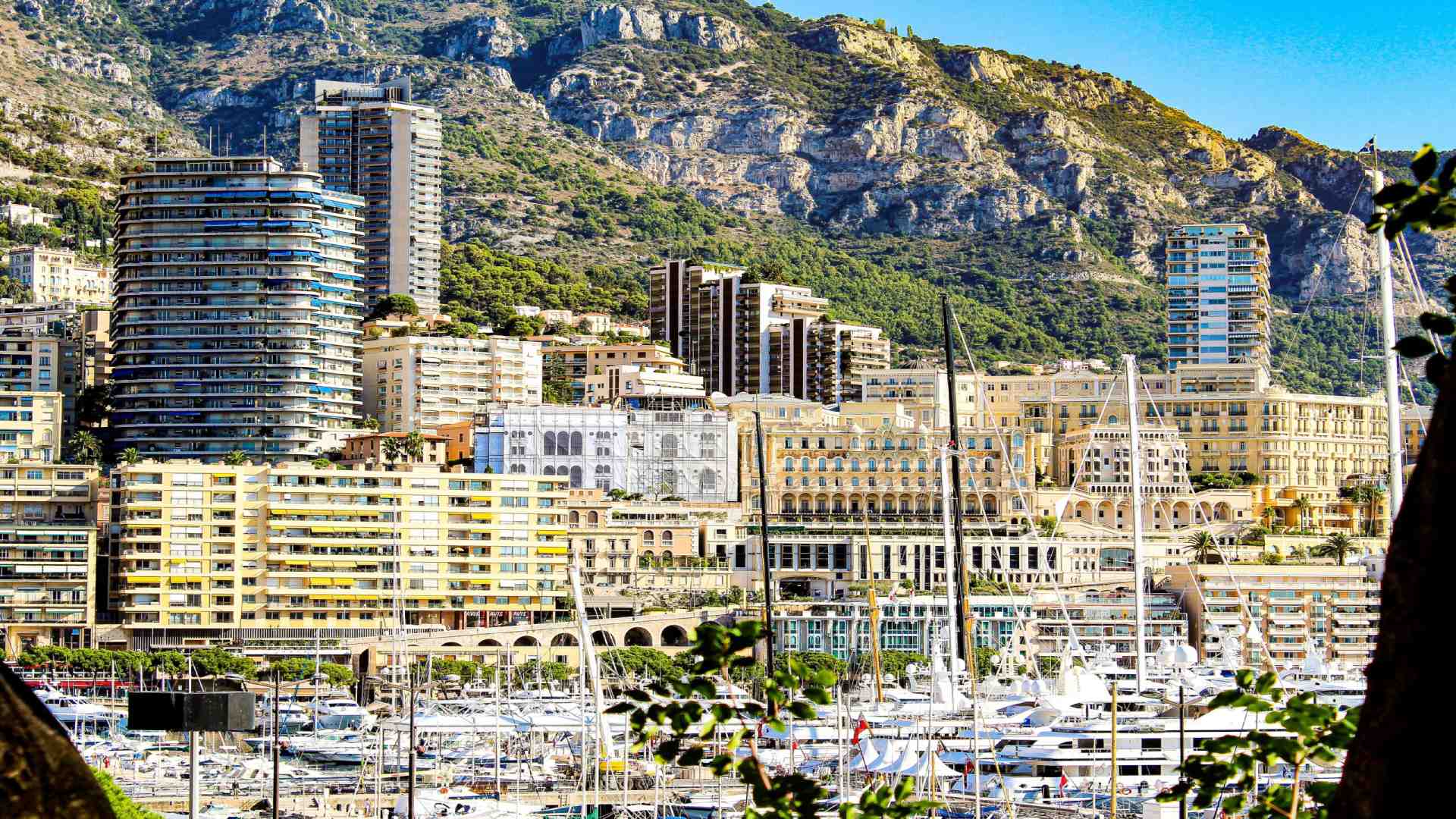
A €60 million three-bedroom apartment in Monaco is not just a symbol of extreme wealth—it has become the focal point of growing concerns that the principality’s booming real estate market remains vulnerable to dirty money.
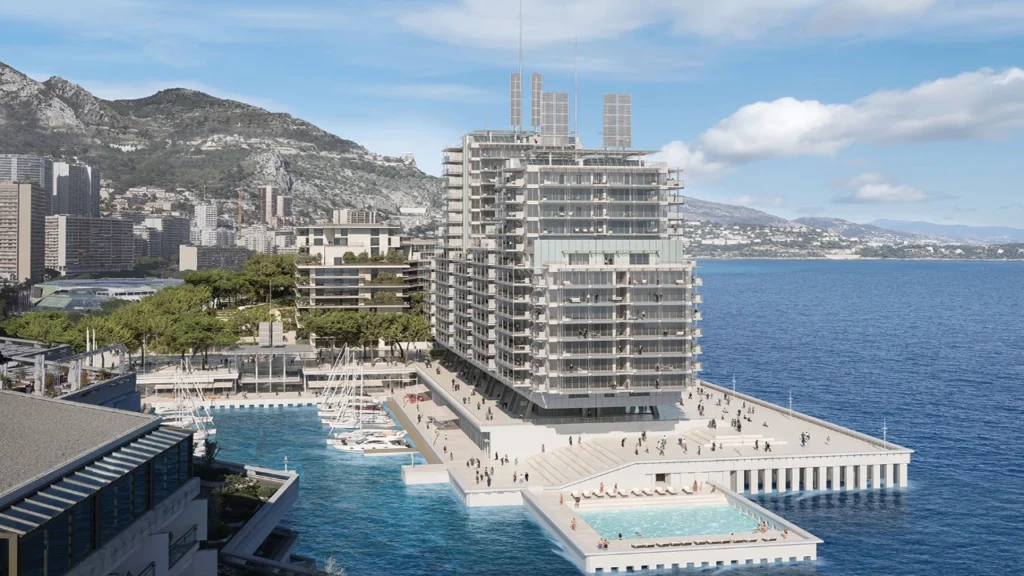
The issue has come into sharp focus following reports highlighting properties in Monaco’s Mareterra development—where even relatively “standard” luxury units can exceed €60 million ($70 million)—as regulators and analysts warn that such high-value transactions may conceal illicit financial flows.
The concern is not theoretical. Monaco was placed on the “grey list” by the Financial Action Task Force (FATF) in 2024 due to weaknesses in its anti–money laundering controls, particularly in sectors like real estate. This designation has intensified scrutiny of how wealth enters the country and whether sufficient checks exist to verify its origin.
The principality’s property market provides fertile ground for such risks. According to official data, the average price per square metre reached €57,569 in 2025, with prime districts such as Larvotto exceeding €70,000 per square metre, among the highest globally. At the same time, more than half of property transactions in recent years have exceeded €20 million, highlighting the concentration of ultra-high-value deals.
Against this backdrop, developments like Mareterra—built on reclaimed land and marketed to the global elite—have drawn particular attention. Internal documents and transaction data reviewed in recent reporting suggest that some buyers attempted to acquire properties through complex corporate structures or alternative nationalities, raising red flags about transparency. While not all such transactions are illegal, experts say these patterns are consistent with common money-laundering techniques.
Monaco’s authorities have responded by tightening oversight. The government has strengthened “know your customer” (KYC) rules, increased due diligence requirements for banks and real estate agents, and established new financial intelligence mechanisms to track suspicious activity. Officials have also signaled a willingness to reject buyers who cannot clearly demonstrate the origin of their funds, even if it means losing high-value investments.
However, these measures come with trade-offs. Industry insiders report that stricter compliance rules are making it harder for some wealthy individuals to open bank accounts or secure residency in Monaco, potentially cooling demand at the top end of the market. In one case cited by advisers, prospective buyers were asked to provide decades-old financial records, prompting some to abandon plans to relocate.
The stakes are high because real estate is central to Monaco’s economic model. In 2025 alone, total property transactions reached €5.9 billion, underscoring the sector’s importance to the principality’s revenue and global positioning. Yet this reliance also amplifies reputational risks: even isolated cases of illicit finance can have outsized consequences for a jurisdiction built on trust and exclusivity.
The €60 million apartment, therefore, is more than a headline-grabbing figure—it illustrates a structural challenge. High-value, low-transparency transactions create opportunities for legitimate investment, but also for financial abuse if oversight falls short. Regulators must balance maintaining Monaco’s appeal to global wealth with enforcing stricter controls to meet international standards.
Looking ahead, Monaco’s path off the FATF grey list will depend on how effectively it enforces its new rules and demonstrates tangible results. Continued scrutiny of high-end developments like Mareterra is likely, as authorities seek to prove that the principality is no longer a safe haven for questionable capital.
If successful, Monaco could reinforce its reputation as a premier but compliant financial hub. If not, the very market that defines its luxury appeal may continue to raise uncomfortable questions about the true origins of the wealth flowing into it.
