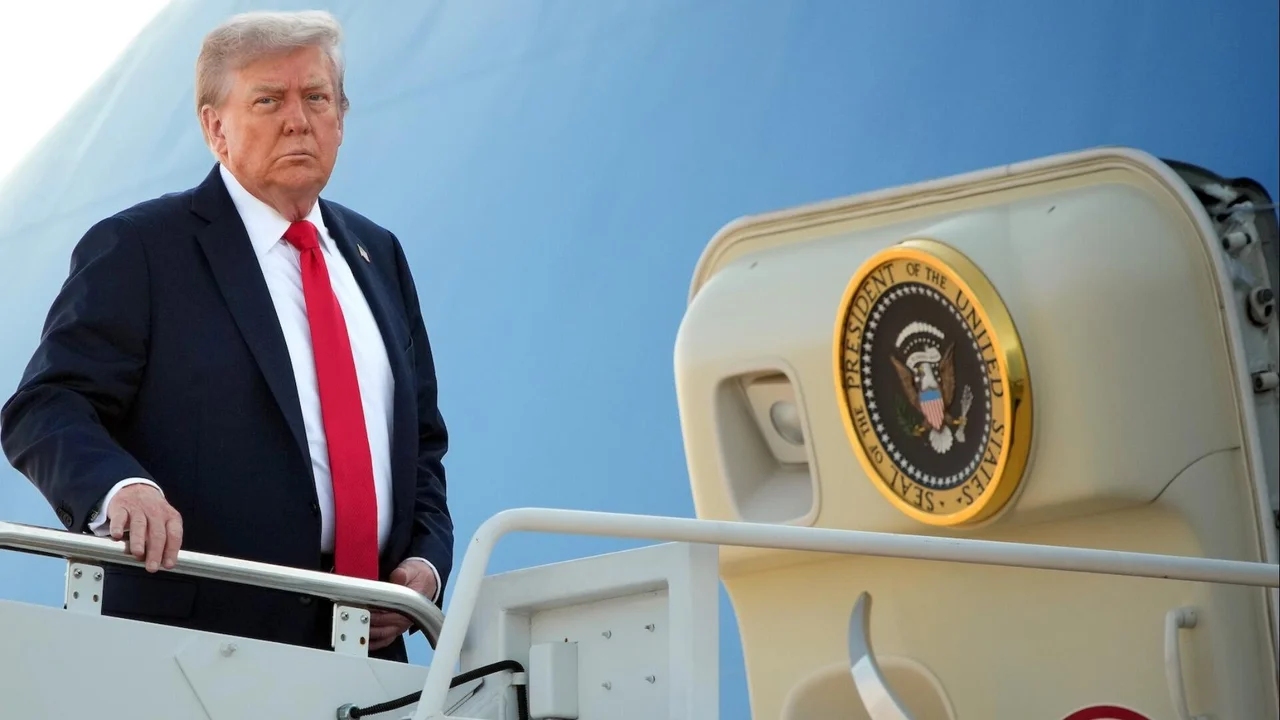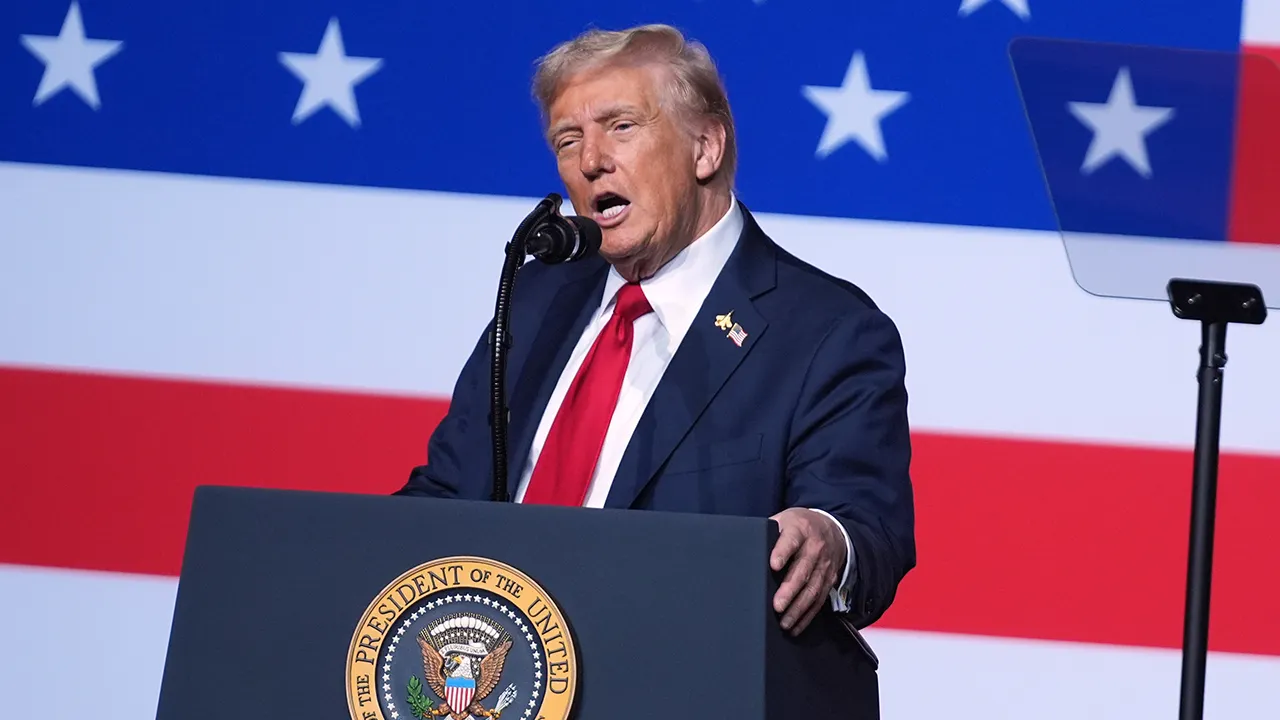
Public confidence in U.S. President Donald Trump is under renewed strain as concerns over his temperament grow amid the ongoing Iran war and an escalating public dispute with Pope Leo XIV. A new Reuters/Ipsos poll shows that both issues are shaping voter sentiment in ways that could have lasting political consequences.
The poll, conducted among 4,557 U.S. adults, found that only 36% of Americans approve of Trump’s job performance, matching the lowest level of his current term. This stagnation comes at a time when the administration is deeply engaged in a military conflict with Iran and facing criticism from religious and international leaders.
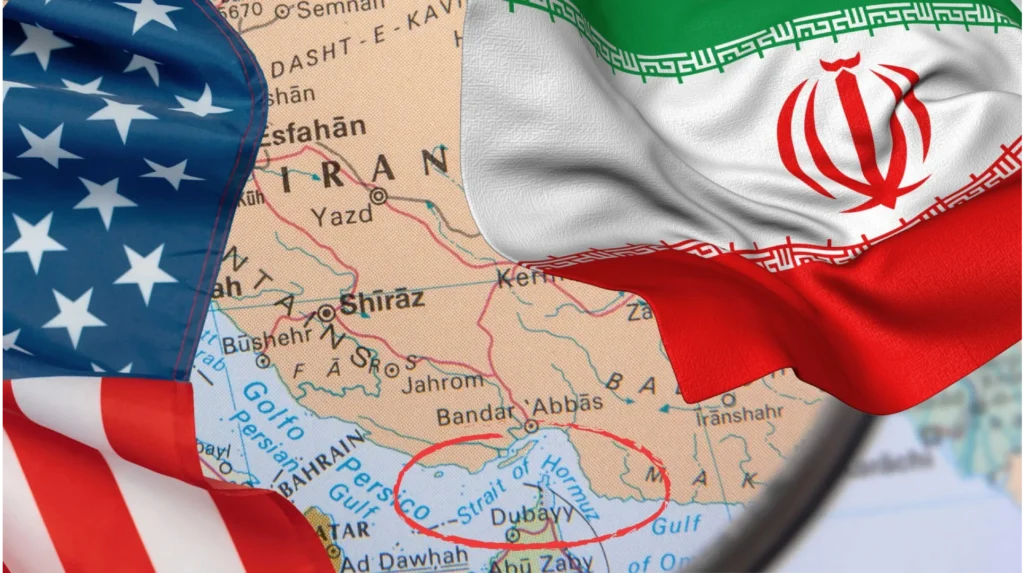
The current tensions trace back to February 2026, when the United States, alongside Israel, launched military operations against Iran. The conflict has had immediate domestic repercussions, including a sharp rise in gasoline prices, which has added pressure on households and intensified scrutiny of the administration’s decisions.
What distinguishes this moment is not just declining approval, but growing concern about leadership style. According to the same poll, only 26% of Americans consider Trump “even-tempered,” while 51% believe his mental sharpness has declined. These perceptions extend beyond partisan lines, with even a portion of Republican respondents expressing doubts about his demeanor.
The president’s rhetoric has played a central role in shaping these views. In recent weeks, Trump has issued aggressive statements, including threats to destroy Iranian infrastructure and sharp attacks on the pope following criticism of U.S. military actions. Such remarks have raised concerns among analysts about escalation risks and diplomatic isolation, particularly as global actors call for restraint.
Public opinion on the war itself remains divided but cautious. The poll shows that only 36% of Americans support U.S. military strikes against Iran, reflecting limited enthusiasm for prolonged engagement. Separate reporting indicates that even fewer Americans believe the conflict improves national security, underscoring a broader skepticism about its strategic value.
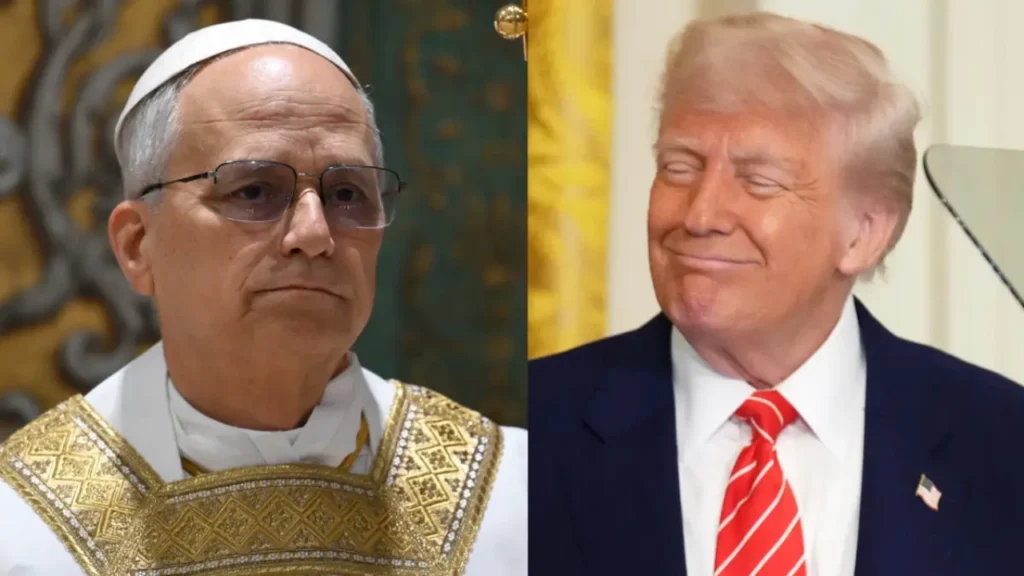
At the same time, the pope’s standing contrasts sharply with the president’s. Around 60% of respondents hold a favorable view of Pope Leo, highlighting a credibility gap between political and religious leadership on the issue. This divergence has added a symbolic dimension to the dispute, turning it into a broader debate over ethics, authority, and the conduct of war.
The implications are significant. From a governance perspective, declining confidence in presidential temperament can affect both domestic policymaking and international negotiations. Allies may become more cautious, while adversaries could test boundaries, increasing the risk of miscalculation. Domestically, sustained low approval ratings—combined with economic pressures such as rising fuel costs—could influence legislative dynamics and upcoming electoral cycles.
Looking ahead, the trajectory of public opinion will likely depend on two factors: developments in the Iran conflict and the administration’s tone in managing it. A de-escalation or diplomatic breakthrough could stabilize perceptions, while continued military engagement paired with confrontational rhetoric may deepen public unease.