SpaceX plans to keep firm control in the hands of Elon Musk and a small group of insiders even after going public, according to newly revealed IPO filing details—signaling that outside investors will have limited influence despite what could become the largest stock market debut in history.
The confidential filing shows the company will adopt a dual-class share structure, giving insiders “super-voting” shares that outweigh those sold to the public. This means Musk will retain decisive authority over major decisions, even as SpaceX raises billions from global investors.
The move highlights a clear priority: raising capital without surrendering control.
SpaceX’s IPO has been widely anticipated as a landmark event, with the company targeting a valuation of around $1.75 trillion and seeking to raise up to $75 billion, figures that would surpass previous records for public listings. The company has already begun engaging Wall Street through private analyst briefings, signaling that preparations are well advanced.
At the center of the structure is a governance model increasingly common among major tech firms. Under the dual-class system, insider-held shares carry significantly more voting power than those offered to public investors. In SpaceX’s case, Musk is expected to maintain control not just as CEO, but also as chief technical officer and chairman of the board.
Data from the filing underscores how concentrated that control will be. Musk owns roughly 42% of SpaceX’s equity but controls about 79% of voting power, a gap created by the super-voting share structure. This effectively ensures that strategic decisions—from long-term investments to leadership direction—remain firmly under his influence.
Financial disclosures add further context to the company’s position ahead of the IPO. SpaceX reported significant capital spending, driven largely by investments in artificial intelligence infrastructure and its satellite network. While the company has generated strong revenue streams—particularly from its Starlink business—it has also posted multi-billion-dollar losses tied to expansion efforts.
Despite these pressures, insiders appear confident in long-term growth. Musk himself received a modest salary of just over $54,000, but stands to gain billions through equity if the company’s valuation rises sharply after listing.
For investors, the structure presents a familiar trade-off. On one hand, founder control can enable bold, long-term decision-making without short-term market pressure. On the other, it limits shareholder influence and reduces accountability—concerns that have been raised in similar setups at other major tech companies.
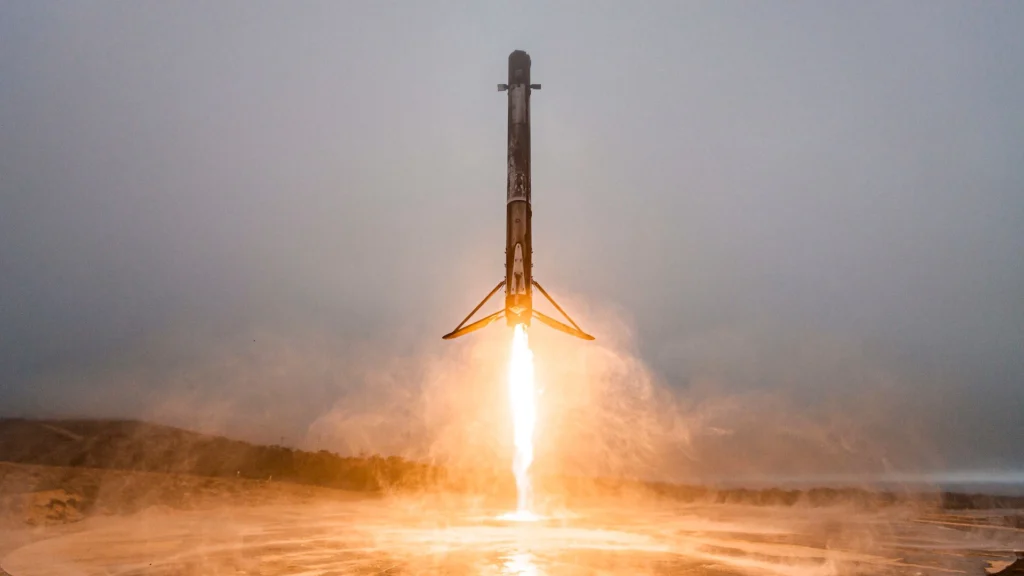
The timing is also critical. SpaceX is entering public markets as it expands beyond rockets into satellite internet and artificial intelligence, following its integration with Musk’s AI venture xAI. This diversification complicates valuation but also increases its potential upside, positioning the company as more than just an aerospace firm.

Looking ahead, SpaceX’s IPO could reshape both the space industry and public markets. If demand matches expectations, it may set a new benchmark for mega-listings and reinforce the trend of founder-led companies maintaining tight control after going public. However, the success of this approach will ultimately depend on execution—whether SpaceX can deliver sustained growth while balancing investor expectations with Musk’s long-term vision.