Suspiciously timed financial trades ahead of major policy announcements by Donald Trump are drawing fresh regulatory scrutiny, intensifying concerns that insider trading may be intersecting with political decision-making at the highest level of government.
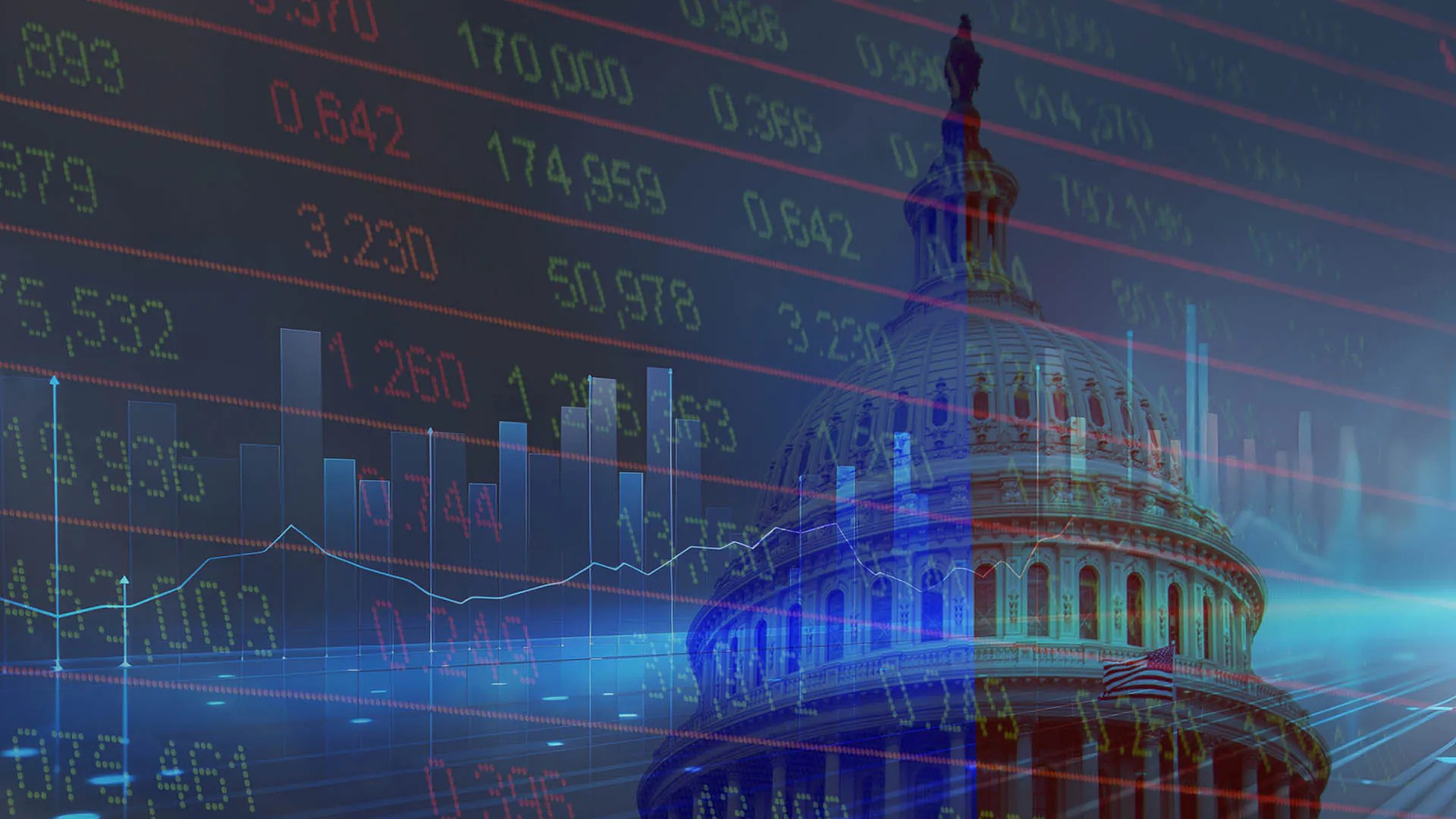
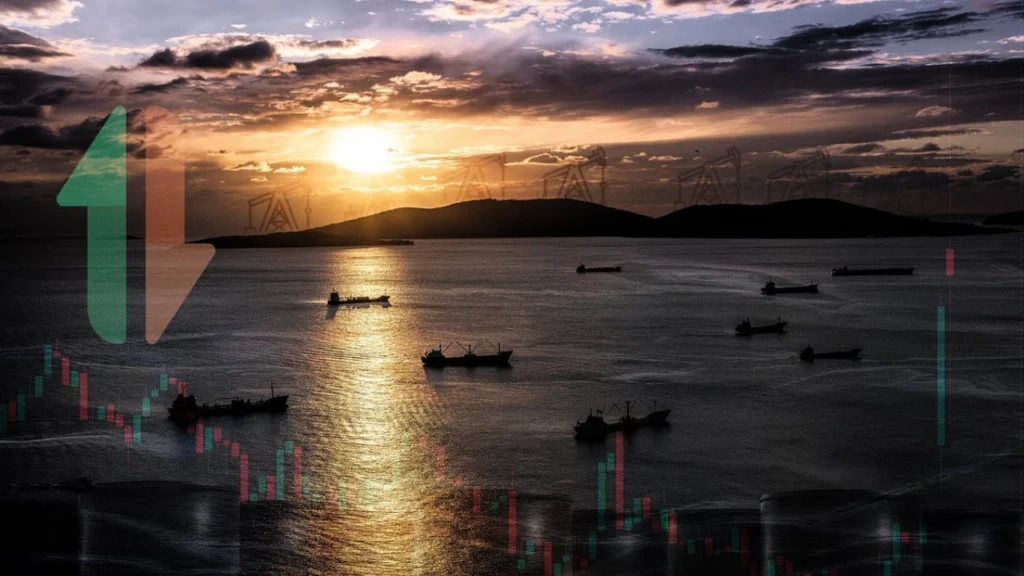
As noticed by the BBC in April 2026, U.S. regulators began examining large, well-timed bets in oil futures markets placed just before key shifts in Trump’s Iran policy. According to reports, these trades—executed on March 23 and April 7—generated millions in profits and occurred shortly before announcements that moved global oil prices. The Commodity Futures Trading Commission (CFTC) has since requested detailed trading data, signaling a formal effort to determine whether non-public government information was improperly used.
The issue reflects a broader and recurring pattern. Market analysts and investigators have identified repeated spikes in trading activity minutes or hours before Trump’s major policy statements, including those related to tariffs and geopolitical tensions. A recent analysis of financial market data found “consistent patterns of spikes” in trading volumes just before such announcements, behavior some experts say resembles classic insider trading signals.
Concerns over potential market misuse are not confined to recent events. During Trump’s presidency, lawmakers—particularly Democrats—have repeatedly called for investigations into whether abrupt policy reversals, such as tariff pauses, may have been exploited by insiders. In one notable instance, senators urged regulators to examine whether market-moving decisions were preceded by trades based on privileged information. While these calls have not yet resulted in confirmed violations, they underscore a persistent lack of confidence in the transparency of decision-making processes.
What makes the current situation more serious is the scale and precision of the trades under scrutiny. Regulators have flagged bets worth hundreds of millions of dollars, including one reported $950 million position placed shortly before a major policy shift that affected oil prices. Such transactions, if proven to be based on insider knowledge, would represent a significant breach of U.S. securities law and could undermine confidence in global financial markets.
Despite mounting suspicion, proving insider trading in this context remains legally difficult. Experts note that enforcement agencies must demonstrate that traders had access to material, non-public information and used it intentionally for profit—a high evidentiary bar. Legal scholars also emphasize that many of Trump’s market-moving statements were made publicly, complicating claims that information was exclusively available to insiders.
Still, the pattern itself is raising alarms among watchdog groups and policymakers. “This is the kind of thing that makes people wonder if their government is acting in their best interest,” said Jordan Libowitz of the ethics organization Citizens for Responsibility and Ethics in Washington, highlighting the broader trust issue at stake. The concern is not just about legality, but about perception: even the appearance of privileged access can erode confidence in both markets and institutions.
The Trump administration has denied wrongdoing, and no direct evidence has yet linked the president or his immediate team to illegal trading activity. However, regulators have made clear that investigations are ongoing, and officials have pledged a “zero-tolerance” approach to fraud and market manipulation.
Looking ahead, these developments could accelerate calls for tighter controls on financial activity by government officials and those with access to sensitive policy information. Proposals to expand disclosure requirements or restrict trading by politically connected individuals are likely to gain momentum if investigations uncover stronger evidence. For now, the situation remains unresolved—but the convergence of political power and financial opportunity continues to present a high-risk fault line for both regulators and markets.