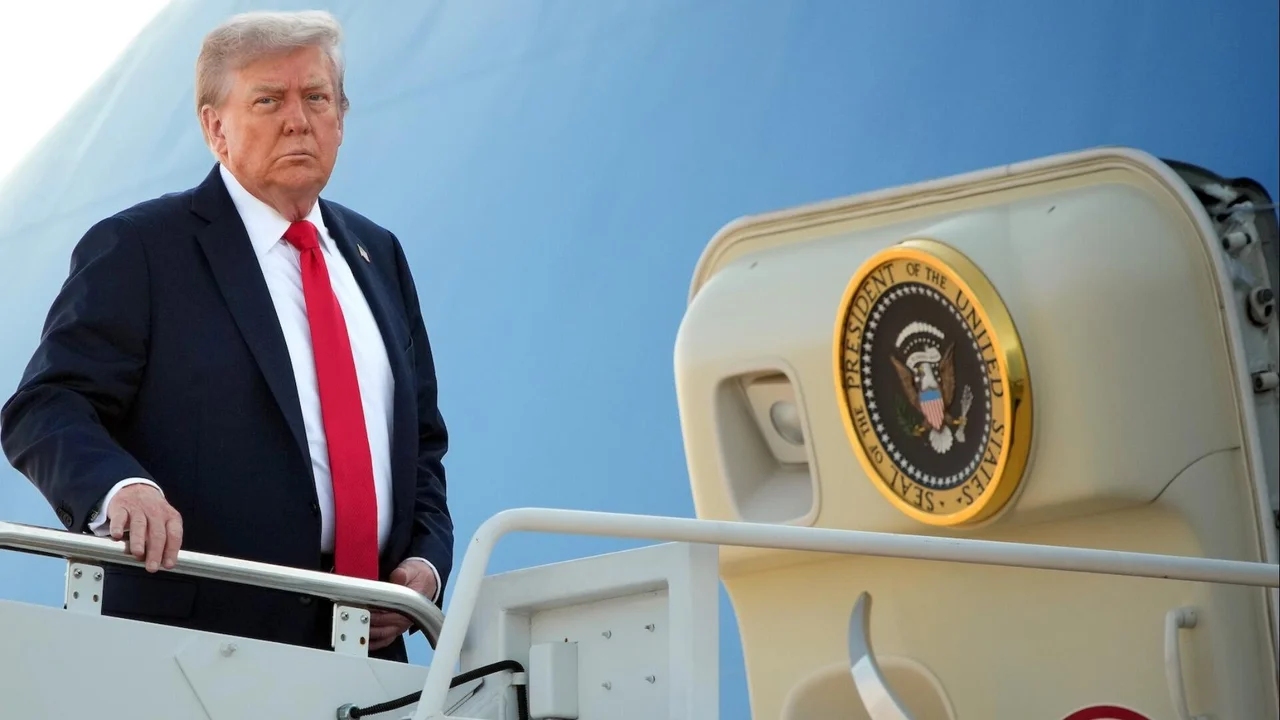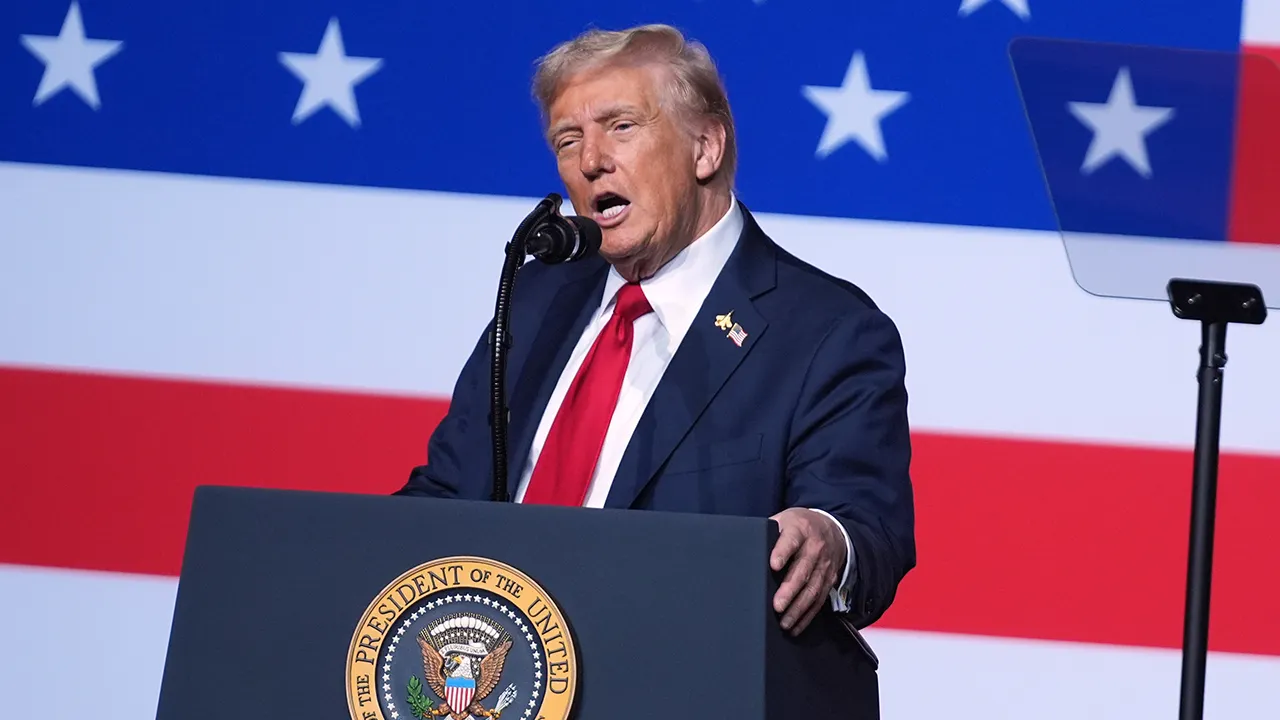
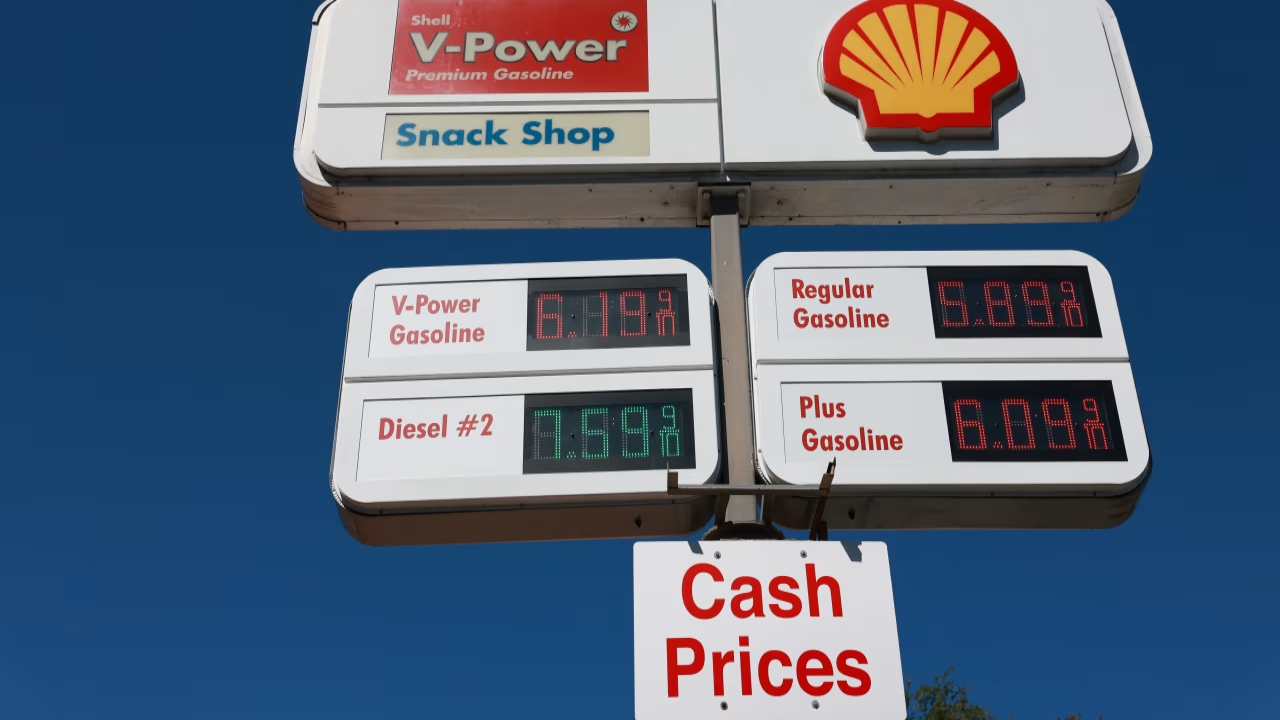
U.S. gasoline prices are unlikely to fall below $3 per gallon anytime soon, with Energy Secretary Chris Wright warning they could remain above that level until next year—despite signs that recent price spikes may have peaked.
The statement, made during a national television interview, signals a longer-than-expected period of elevated fuel costs for American consumers and businesses, largely driven by geopolitical tensions and supply disruptions in global oil markets.
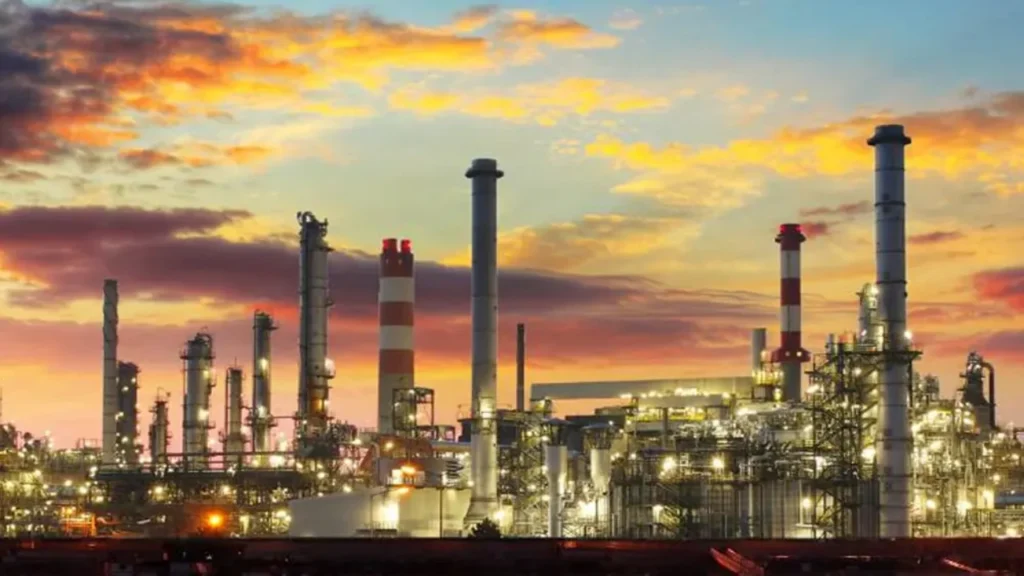
Recent increases in fuel prices have been closely tied to the ongoing conflict involving the United States, Israel, and Iran, which has disrupted energy flows and heightened uncertainty in oil supply chains. The Strait of Hormuz—a critical shipping route—has become a focal point of concern, with attacks and instability affecting deliveries and pushing up crude prices.
Wright acknowledged that while gasoline prices have “likely peaked,” a meaningful drop below $3 per gallon could take longer than previously anticipated. “That could happen later this year, that might not happen until next year,” he said, emphasizing that a resolution to the conflict would be key to easing prices.
Current data highlights the scale of the issue. The national average price for regular gasoline stands at approximately $4.05 per gallon, compared with $3.16 a year earlier, according to AAA estimates. This represents a significant year-on-year increase and underscores the pressure on household budgets. Separate reports indicate prices have recently hovered slightly above $4, marking the highest levels since 2022.
There is also disagreement within the U.S. administration about the timeline for relief. Treasury Secretary Scott Bessent has suggested prices could return closer to $3 per gallon as early as summer, while Wright’s outlook is more cautious, reflecting uncertainty tied to geopolitical developments.
Beyond consumer impact, elevated fuel prices carry broader economic and political consequences. Higher gasoline costs are a visible driver of inflation and can influence public sentiment about the economy. Surveys show rising fuel prices are already contributing to declining consumer confidence, with many Americans adjusting spending habits to cope with increased transportation costs.
The situation also presents political risks. With midterm elections approaching, sustained high prices could become a major issue for policymakers, particularly as energy costs are closely linked to perceptions of economic performance.

Looking ahead, the trajectory of gasoline prices will largely depend on geopolitical stability and supply recovery. Analysts and officials agree that a resolution to the Iran-related conflict—along with the restoration of normal shipping routes—would likely ease pressure on oil markets. However, even in that scenario, a rapid return to sub-$3 gasoline appears unlikely in the near term.
In practical terms, this means consumers and businesses should prepare for a prolonged period of relatively high fuel costs. While prices may gradually decline from current levels, the path back to cheaper gasoline will depend less on domestic policy and more on how quickly global energy disruptions are resolved.