

Alibaba Group is accelerating investments in artificial intelligence across shopping and video, a strategic shift that analysts increasingly view as the clearest path to restoring growth and investor confidence. The company’s latest moves—embedding AI into e-commerce platforms and expanding cloud-driven video capabilities—signal a deliberate pivot away from its slowing traditional retail business toward higher-margin, technology-led services.
This transition comes at a critical moment. Alibaba’s core e-commerce segment, once its primary growth engine, has stabilized but is no longer delivering rapid expansion. Recent data shows China commerce revenue growing about 6% year-on-year, reflecting a more mature and competitive market. At the same time, rivals such as short-video platforms and discount marketplaces are reshaping consumer behavior, forcing Alibaba to rethink how users discover and purchase products.
Against this backdrop, the company is leaning heavily into AI-powered shopping experiences. By integrating its proprietary “Qwen” large language models into platforms like Taobao and Tmall, Alibaba is enabling personalized recommendations, automated customer service, and conversational commerce. These features are designed to increase user engagement and conversion rates—areas where competitors using short-form video have gained ground.

The strategy extends beyond retail. Alibaba is also investing in AI-driven video and content ecosystems, an area analysts see as crucial for competing with platforms that blend entertainment and shopping. Short-video commerce has become a dominant trend in China, and Alibaba’s push into AI-enhanced video aims to reclaim market share by combining content discovery with instant purchasing capabilities.
Early signals suggest the shift is gaining traction, particularly in the cloud division that underpins these AI services. Alibaba Cloud reported 36% year-on-year revenue growth, largely driven by demand for AI-related computing and services. Even more striking, AI-related workloads have been expanding at triple-digit rates for multiple consecutive quarters, indicating strong enterprise adoption.
However, this transformation comes with a cost. The company’s aggressive spending on AI infrastructure, quick commerce, and user experience has significantly pressured profitability. Recent earnings showed steep declines in net income, with analysts attributing the drop to heavy reinvestment in technology and delivery capabilities. Despite this, many on Wall Street remain cautiously optimistic. Consensus estimates suggest meaningful upside in the stock, with some analysts framing Alibaba as a “value play with an AI call option.”
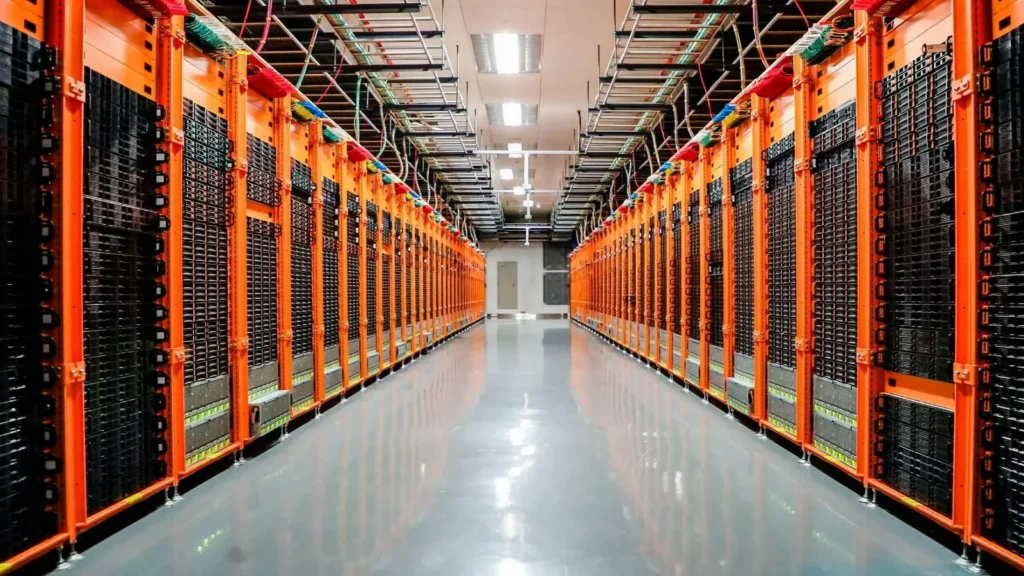
There is also a broader strategic rationale behind these investments. AI is rapidly becoming the backbone of digital commerce, requiring vast computing power and integrated ecosystems. By scaling its cloud infrastructure and embedding AI across services, Alibaba is positioning itself to capture both consumer and enterprise demand. This dual approach—consumer-facing AI in shopping and enterprise AI via cloud—mirrors strategies seen among global tech leaders.
Still, risks remain. Monetizing AI at scale is not guaranteed, and competition in both e-commerce and cloud computing is intensifying. Additionally, macroeconomic pressures in China continue to weigh on consumer spending, limiting near-term growth in Alibaba’s traditional business.
Looking ahead, Alibaba’s trajectory will depend on whether its AI investments translate into sustainable revenue and margin expansion. Analysts broadly agree that 2026 will be a transition year, with profits under pressure but long-term potential improving. If the company successfully integrates AI into its shopping and video ecosystems while maintaining cloud momentum, it could redefine itself as a leading AI-driven platform rather than just an e-commerce giant.