Oil prices plunged sharply after Iran confirmed that the Strait of Hormuz will remain open during an ongoing ceasefire, easing fears of a prolonged global supply shock and triggering an immediate market reaction.
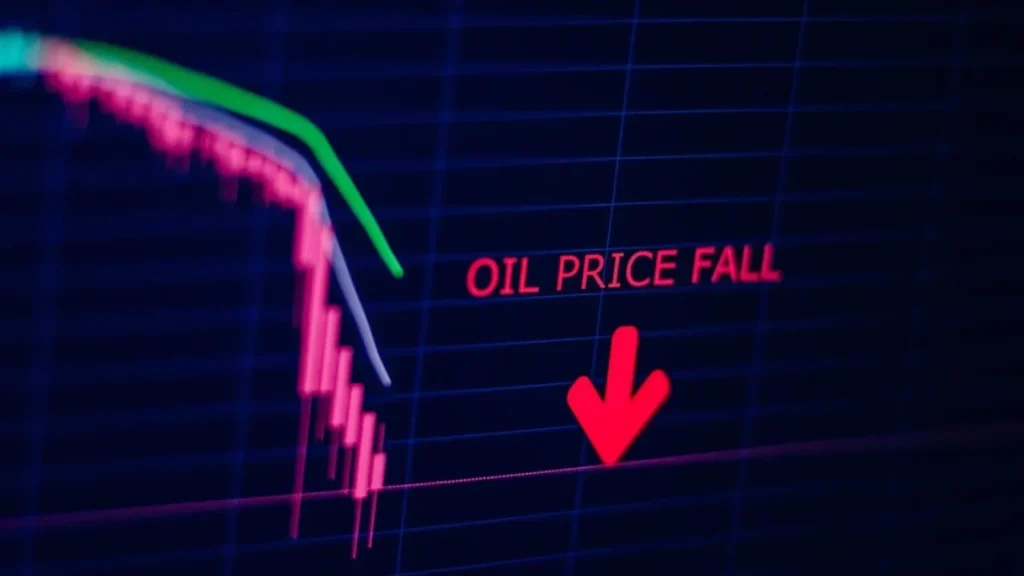
Global crude benchmarks fell by more than 10% on April 17, with some reports indicating drops as steep as 13%, after Iranian officials said commercial shipping through the strategic waterway is “completely open” for the duration of the ceasefire. Brent crude dropped to around $86–$88 per barrel, while U.S. West Texas Intermediate fell near $81, marking their lowest levels in over a month. The sharp decline reflects how quickly geopolitical risk premiums can unwind when supply disruptions appear less likely.
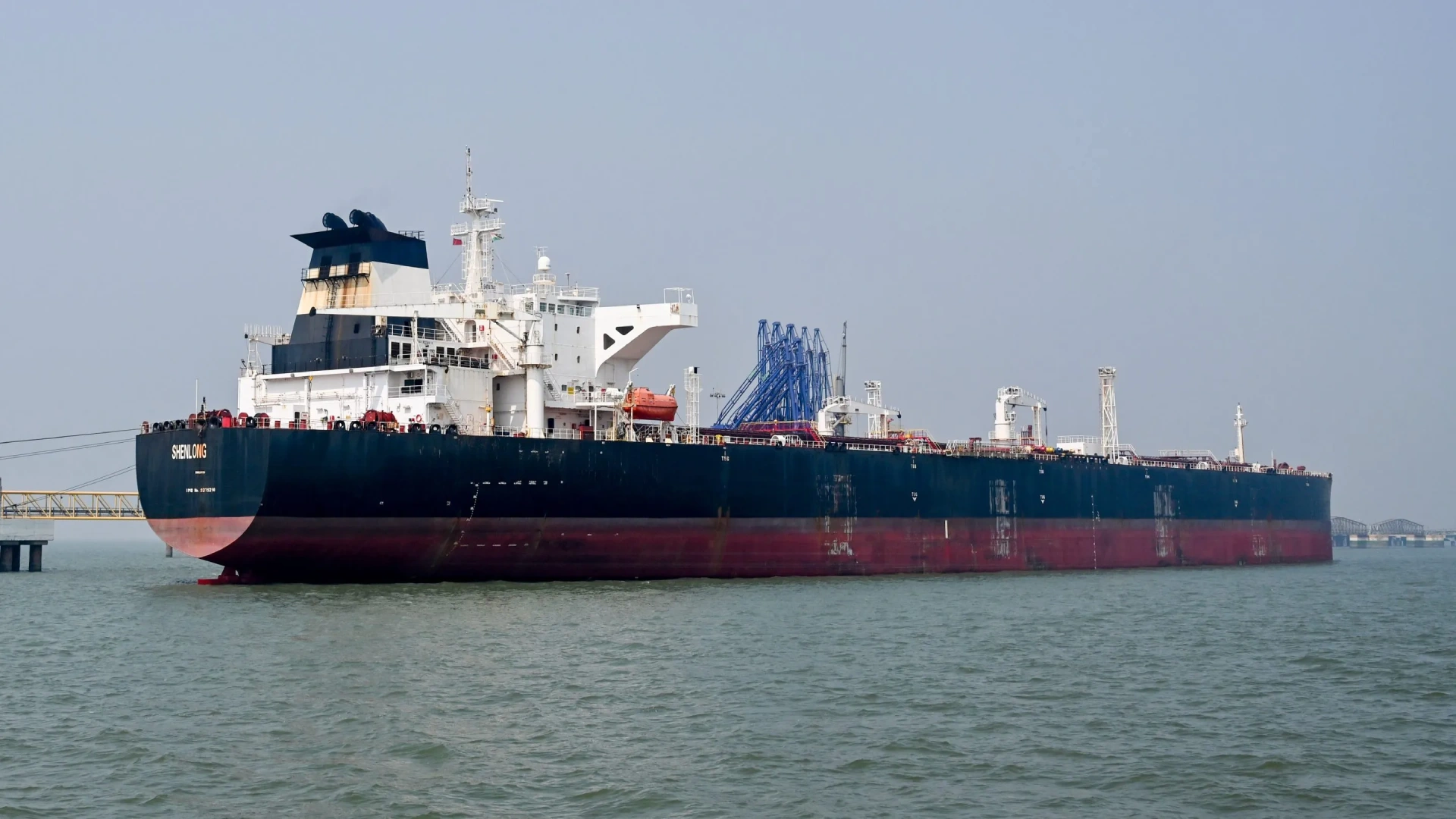
The Strait of Hormuz is one of the most critical chokepoints in global energy markets, carrying roughly 20–25% of the world’s seaborne oil trade. In recent weeks, tensions linked to conflict involving Iran had severely disrupted shipping, pushing oil prices higher and raising fears of inflation across major economies. The reopening, even temporarily, signals a potential normalization of supply flows, which markets have priced in immediately.
This development is closely tied to a broader ceasefire arrangement involving Iran and regional actors, alongside ongoing diplomatic engagement with the United States. Reports indicate that Iran’s commitment to keeping the strait open is part of a wider effort to de-escalate tensions and stabilize trade routes. Earlier in the conflict, restrictions on the strait had contributed to some of the largest oil price swings since the pandemic era, with prices previously surging well above $100 per barrel before retreating on ceasefire expectations.
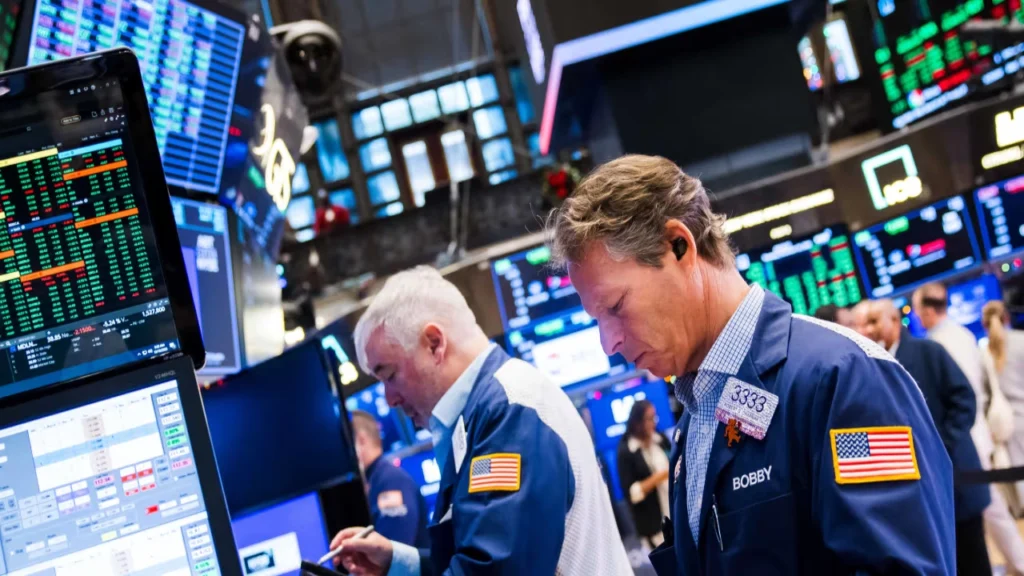
The immediate consequence of falling oil prices extends beyond energy markets. Lower crude prices are widely seen as easing inflationary pressure, particularly in fuel-dependent economies. Analysts suggest that the decline could influence central bank policy, with expectations growing that lower energy costs may support interest rate cuts later in 2026. At the same time, global equity markets responded positively, with stock indices rising as investors welcomed reduced economic uncertainty.
However, the situation remains fragile. Shipping companies are still cautious about fully resuming operations, citing concerns over safety, potential tolls, and the risk of renewed hostilities. Despite Iran’s assurances, a U.S. military presence and ongoing geopolitical tensions continue to cloud the outlook. Any disruption or breakdown in ceasefire terms could quickly reverse the current trend in oil prices.
Looking ahead, the trajectory of global oil markets will depend heavily on whether the ceasefire holds and whether tanker traffic through the Strait of Hormuz returns to normal levels. If stability persists, prices could remain under pressure, offering relief to inflation-strained economies. But if tensions resurface, the same chokepoint could once again become the epicenter of global energy volatility, underscoring how tightly oil markets remain tied to geopolitical risk.