PepsiCo has exceeded Wall Street expectations in its latest quarterly earnings, driven largely by strategic price cuts on flagship snack brands like Doritos and Lay’s that helped bring shoppers back after months of declining demand.
The company reported first-quarter revenue of $19.44 billion, up 8.5% year-over-year and above analyst forecasts of about $18.9 billion. Adjusted earnings reached $1.61 per share, also beating expectations of roughly $1.54–$1.55. These results mark a notable turnaround for PepsiCo’s North American snacks business, which had been under pressure from inflation-driven consumer pullback.
The earnings beat follows a clear strategic pivot. Earlier in 2026, PepsiCo cut prices on core snack products—including Doritos and Lay’s—by up to 15% after sustained complaints from consumers about rising grocery costs The move came after years of aggressive price increases that had pushed some products to premium levels, weakening demand and driving customers toward cheaper private-label alternatives.
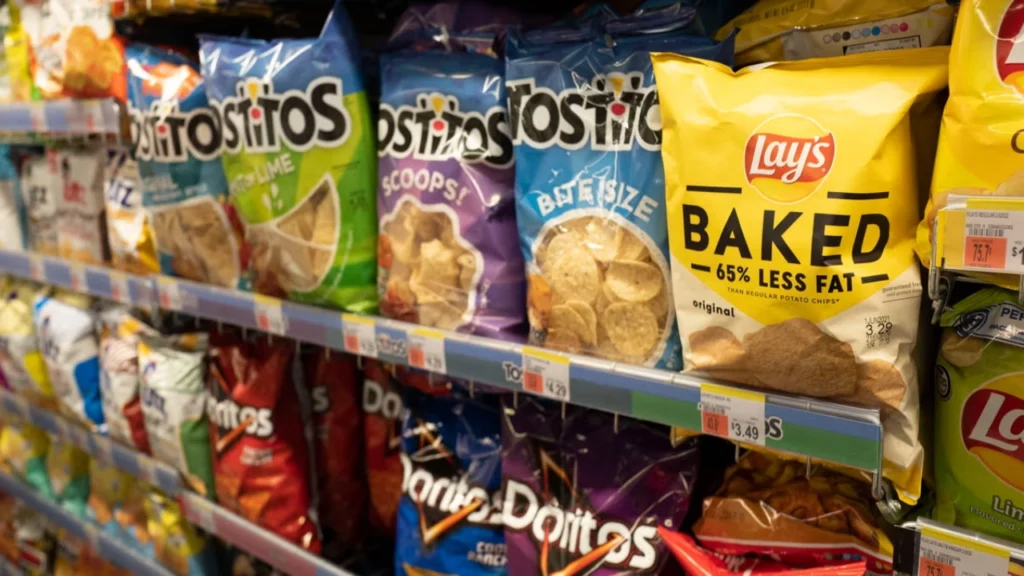
That shift in pricing appears to be working. PepsiCo reported its first volume growth in North American food in over a year, with snack volumes rising around 4% in the quarter. This is a critical metric for the company, as recent growth had been driven more by price increases than by actual demand. By lowering prices, PepsiCo is now regaining volume while attempting to protect market share.
Beyond pricing, the company is also reshaping its product portfolio to align with changing consumer preferences. Executives highlighted efforts to remove artificial ingredients, reduce sugar in beverages, and introduce new products such as protein-enriched snacks and functional foods. These initiatives reflect a broader industry shift toward “better-for-you” offerings as health-conscious consumption rises.
However, the strategy comes with trade-offs. Cutting prices can pressure margins, especially as input costs remain volatile. PepsiCo flagged ongoing risks from inflation and geopolitical tensions, including higher energy and raw material costs linked to global instability. At the same time, the company is streamlining operations—reducing product lines and closing some facilities—partly in response to pressure from activist investor Elliott Investment Management.

From a professional standpoint, PepsiCo’s results highlight a broader shift in the consumer goods sector. After years of relying on price hikes to offset inflation, companies are now being forced to compete again on affordability and value. PepsiCo’s decision to reverse course suggests that pricing power has limits, especially when consumers face sustained economic pressure.
The company maintained its full-year outlook, projecting 2%–4% organic revenue growth and mid-single-digit earnings expansion. That indicates confidence that its new strategy—combining price adjustments, product innovation, and operational efficiency—can sustain momentum through 2026.
Looking ahead, the key question is whether PepsiCo can balance volume recovery with profitability. If price cuts continue to drive demand without significantly eroding margins, the company could strengthen its competitive position in a challenging consumer environment. But if cost pressures intensify or consumer demand weakens again, PepsiCo may face renewed pressure to rethink its pricing and growth strategy.