
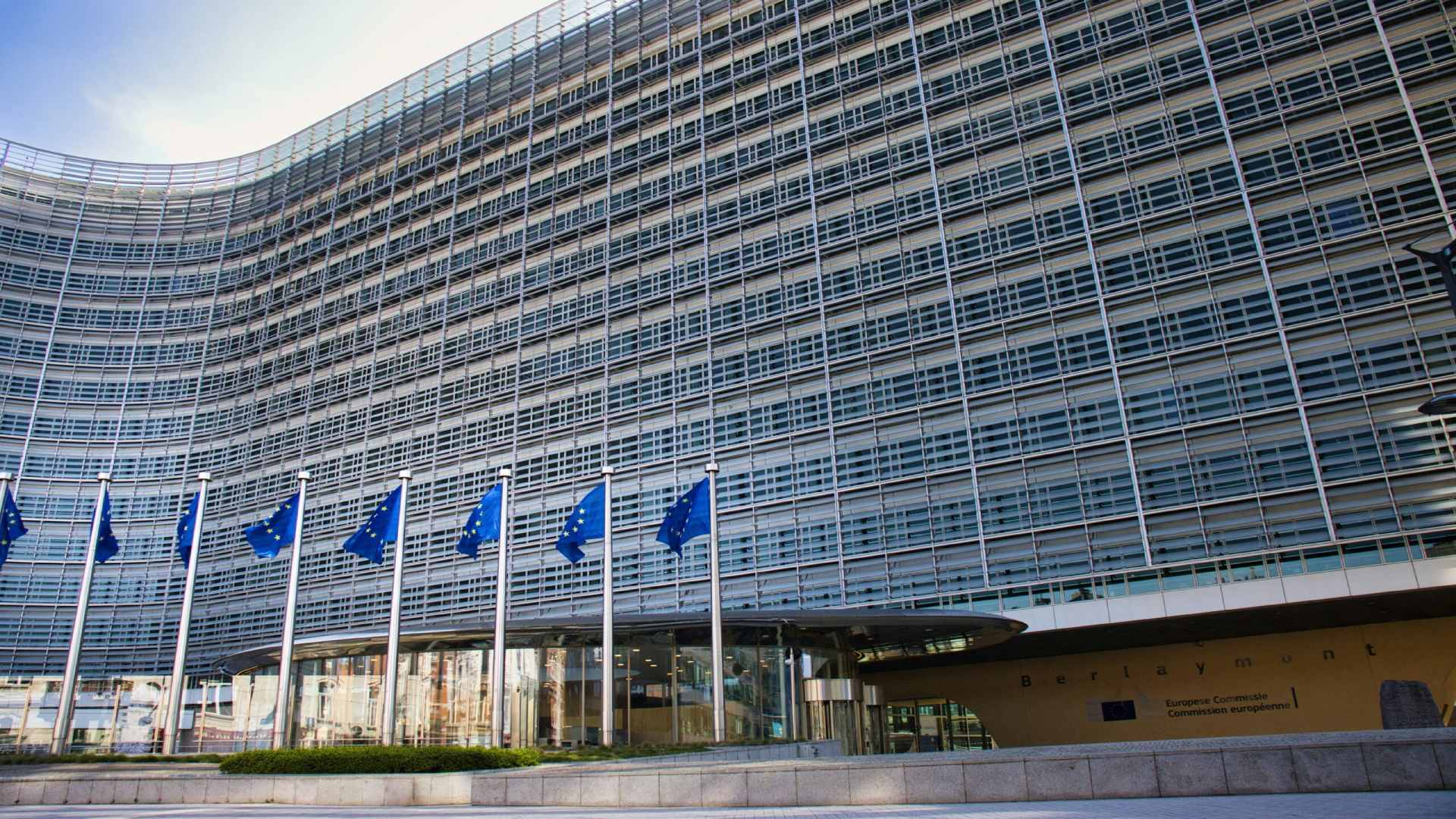
The European Union is preparing to release up to €2.7 billion to Ukraine after Kyiv completed key parliamentary reforms, marking another critical step in sustaining the country’s wartime finances and long-term recovery.
Speaking in Washington, EU Enlargement Commissioner Marta Kos confirmed the disbursement would follow Ukraine’s recent legislative progress, with funds expected to range between €2.5 billion and €2.7 billion under the bloc’s Ukraine Facility program.
This latest tranche underscores how financial support from Brussels remains tightly linked to reform benchmarks, even as Ukraine continues to manage the economic strain of Russia’s ongoing invasion.
The Ukraine Facility, launched in 2024, is the EU’s primary financial instrument to stabilize Ukraine’s economy while pushing structural reforms tied to eventual EU membership. It provides up to €50 billion in grants and loans through 2027, with payments conditional on measurable progress in governance, judicial reform, and economic policy.
Ukraine has already received substantial support through this mechanism. By late 2025, the EU had disbursed €26.8 billion under the Ukraine Plan, reflecting nearly 70% of the allocated funds for its first pillar.
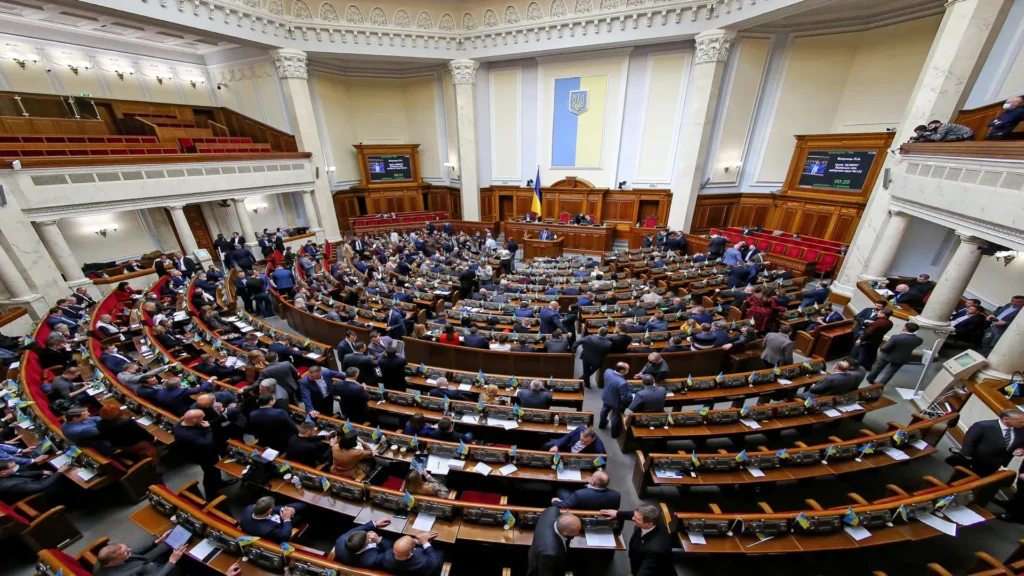
The current disbursement follows Ukraine’s successful completion of parliamentary actions required under the reform agenda. According to Kos, the broader plan includes 173 reform targets, and funding is released only when these are met—highlighting a strict “reforms-for-funding” model.
From a financial perspective, the timing is critical. Ukraine’s finance minister Serhiy Marchenko indicated that the country faces a projected $52 billion budget gap in 2026, which is expected to be covered once larger EU-backed financing becomes available.
Beyond the immediate €2.7 billion tranche, attention is shifting to a much larger €90 billion EU support package for 2026–2027. Kos expressed strong confidence that this broader loan will proceed, particularly after political changes in Hungary removed a key obstacle that had previously delayed approval.
This political shift is significant. Hungary had long resisted aspects of EU financial support for Ukraine, complicating consensus within the bloc. The removal of that resistance could accelerate funding flows at a time when Ukraine’s fiscal stability is under intense pressure.
Professionally, the implications are clear: the EU is not only financing Ukraine’s immediate needs but also shaping its institutional transformation. By tying funds to reforms in areas such as public financial management, judicial systems, and market regulation, Brussels is effectively embedding EU-aligned governance standards into Ukraine’s economic framework.

At the same time, the scale of Ukraine’s financial requirements continues to grow. While the upcoming tranche provides short-term relief, discussions are already underway about how to address expected funding gaps beyond 2026, particularly in 2027.
Looking ahead, the success of this funding model will depend on two factors: Ukraine’s ability to maintain reform momentum under wartime conditions, and the EU’s capacity to sustain political unity behind long-term financial commitments. If both hold, Ukraine could secure not only economic stability but also a clearer path toward EU integration.