Amazon is set to spend roughly $11 billion to acquire satellite firm Globalstar, a move that dramatically escalates its rivalry with Elon Musk’s Starlink and signals a deeper push into the fast-growing space-based internet market.
The deal, valued at about $11.57 billion, will give Amazon control over Globalstar, including its satellite network, spectrum licenses, and infrastructure. The acquisition is designed to strengthen Amazon’s satellite ambitions and directly challenge SpaceX’s Starlink, which currently dominates the global satellite internet market.
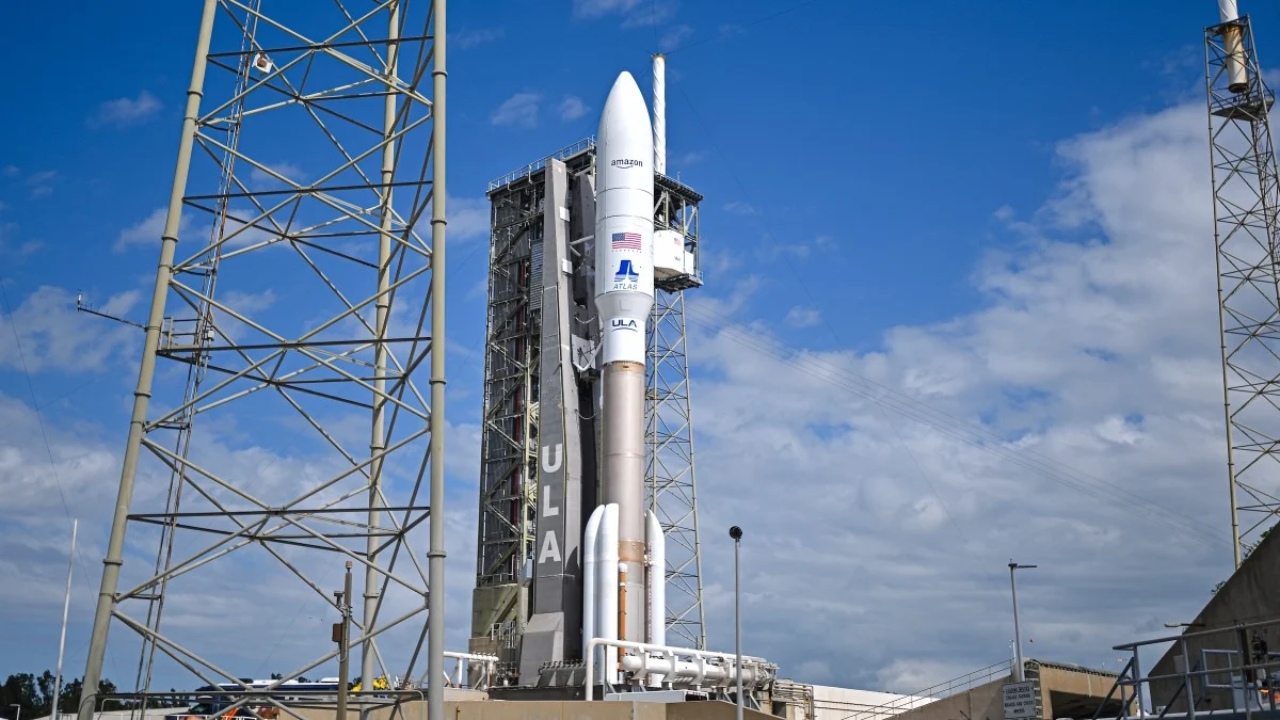
This move comes as the competition for space-based connectivity intensifies. Starlink has already deployed more than 10,000 satellites and serves over 9 million users worldwide, giving it a significant first-mover advantage. In contrast, Amazon has launched only a few hundred satellites so far and is racing to scale its network under its Project Kuiper initiative, with plans to deploy around 3,200 satellites by 2029.
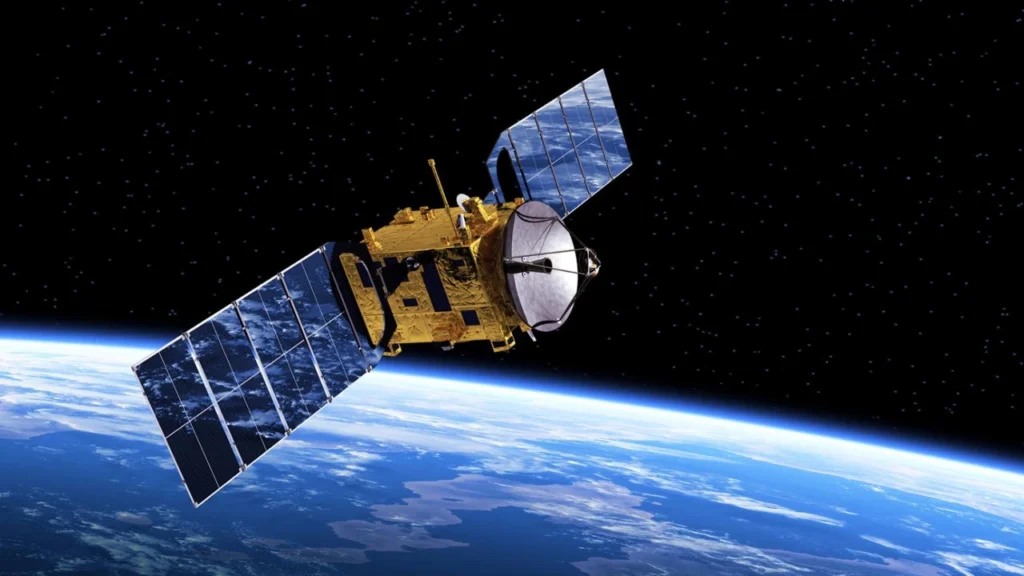
The acquisition also gives Amazon access to a critical strategic asset: radio frequency spectrum. Globalstar holds valuable global licenses that enable direct-to-device (D2D) communication—allowing smartphones to connect directly to satellites without traditional cell towers. This capability is increasingly seen as the next frontier in connectivity, particularly for remote areas, emergency services, and regions with limited telecom infrastructure.
Amazon has indicated that it plans to launch its own direct-to-device services by 2028, positioning itself to compete not only in broadband internet but also in mobile connectivity. This aligns with broader industry trends, as both Amazon and Starlink increasingly target hybrid services that combine satellite broadband with cellular-like capabilities.
Financial markets have already reacted to the announcement. Shares of Globalstar surged more than 9% following the deal, reflecting investor confidence in Amazon’s long-term satellite strategy. The agreement offers Globalstar shareholders $90 per share in cash or equivalent Amazon stock, representing a significant premium over prior trading levels.
However, the deal also highlights the scale of the challenge ahead. Analysts note that Amazon still faces major hurdles, including limited launch capacity and reliance on external providers for rocket launches. Meanwhile, Starlink benefits from vertical integration through SpaceX, allowing it to deploy satellites more rapidly and at lower cost.
The broader significance of this acquisition lies in the transformation of satellite connectivity into a core pillar of global digital infrastructure. The market for satellite communications is expected to grow substantially in the coming years, driven by demand for global internet access, enterprise connectivity, and next-generation mobile services.

Looking ahead, Amazon’s $11 billion bet will be a critical test of whether it can close the gap with Starlink in both scale and service delivery. If successful, it could reshape the competitive landscape and accelerate the adoption of satellite-based connectivity worldwide. If not, the gap between the market leader and challengers may continue to widen, reinforcing Starlink’s dominant position in the new space economy.