

Italy’s data protection regulator has imposed a major financial penalty on Poste Italiane, underscoring growing scrutiny of how large institutions handle user data in the digital era.
The country’s privacy watchdog announced on April 20 in an official press release that it fined Poste Italiane and its payments unit Postepay more than €12.5 million ($14.7 million) for the unlawful processing of personal data belonging to millions of users. The decision places one of Italy’s most prominent state-linked service providers at the center of an escalating regulatory push to enforce strict data protection standards.
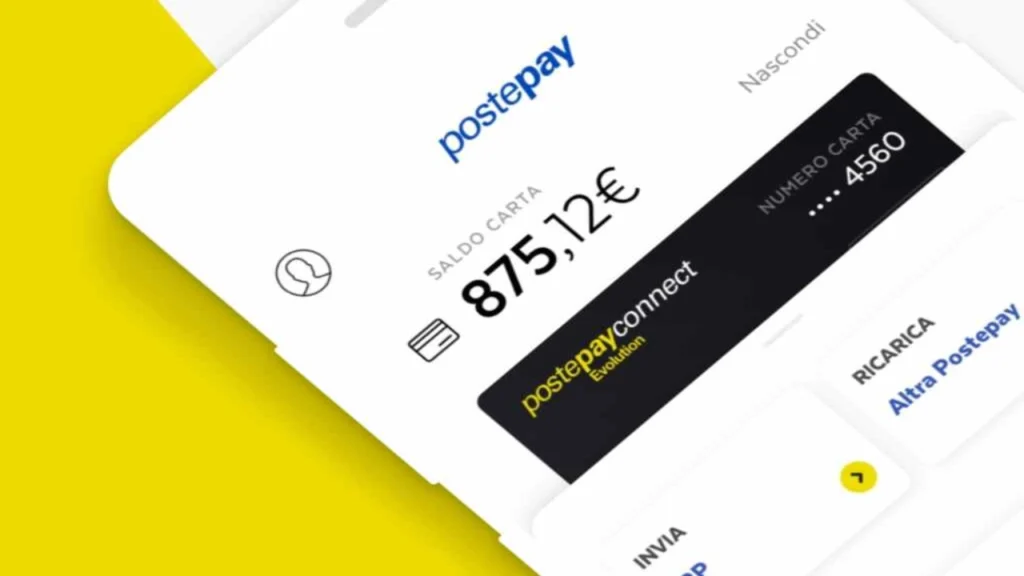
The case revolves primarily around features embedded in Poste Italiane’s mobile applications. According to the regulator, these functions—designed to detect malicious software—were excessively intrusive and went beyond what was necessary for fraud prevention. In addition, investigators found broader compliance failures, including insufficient transparency toward users and the absence of a proper data protection impact assessment, both of which are key requirements under European privacy rules.
This ruling is significant because Poste Italiane is not just a postal operator; it has evolved into a major financial and digital services provider, handling sensitive customer data at scale. Any misuse or overreach in such systems raises systemic risks, particularly in a regulatory environment shaped by the EU’s General Data Protection Regulation (GDPR), which emphasizes necessity, proportionality, and transparency in data processing.
The €12.5 million fine also reflects a broader enforcement trend by Italy’s data protection authority, known as the Garante. In recent months, the regulator has taken action against several high-profile institutions. For example, it fined Intesa Sanpaolo €17.6 million for unlawfully processing the data of approximately 2.4 million customers during a digital banking transition. That case similarly highlighted failures in transparency and lawful data usage, reinforcing a consistent regulatory message: large-scale data operations must meet strict legal and ethical standards.
What distinguishes the Poste Italiane case is the scale of user impact and the nature of the violations. The watchdog explicitly noted that the app features were “not strictly necessary,” a key legal threshold under GDPR. This suggests that even well-intentioned security measures can become unlawful if they collect or process more data than required. For companies, this raises the compliance bar significantly—technical functionality alone is no longer enough; proportionality must be demonstrable.
Professionally, the implications are substantial. Financial service providers and app-based platforms across Europe may now face increased pressure to audit their mobile ecosystems, particularly features tied to cybersecurity and fraud detection. Regulators are signaling that user protection cannot come at the cost of excessive surveillance or opaque data practices.
Poste Italiane has not yet publicly responded to the fine, leaving open questions about whether it will challenge the ruling or move quickly to adjust its systems. However, given the regulator’s detailed findings, any appeal would likely need to address both technical and legal shortcomings.
Looking ahead, this case is likely to reinforce a stricter enforcement climate across Europe. Companies operating large digital platforms—especially in finance—can expect deeper scrutiny of how their systems collect and process user data. The outcome may accelerate investment in privacy-by-design frameworks and more transparent user consent mechanisms, as regulators continue to translate GDPR principles into tangible penalties.