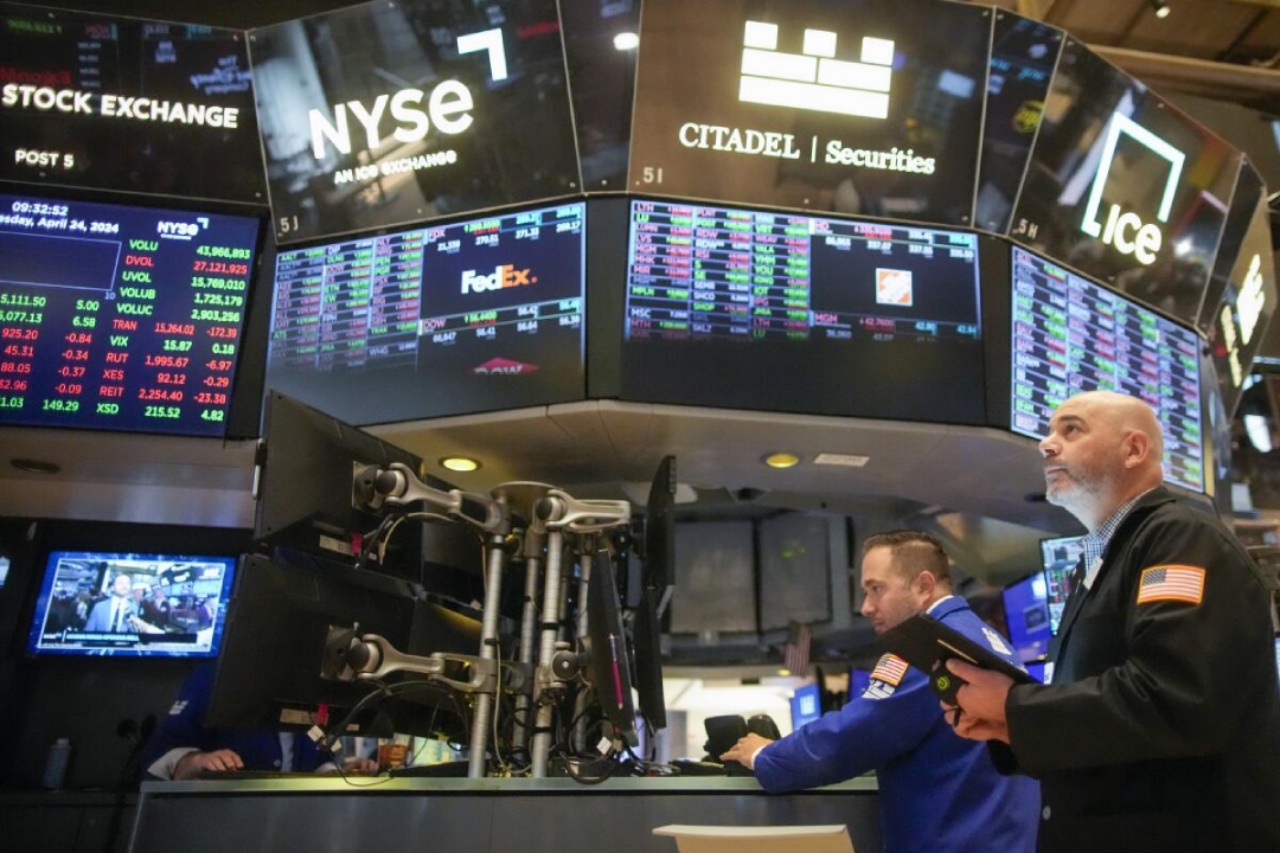
Wall Street closed lower on April 21, 2026, as escalating concerns over the Middle East conflict erased earlier gains driven by strong corporate earnings and renewed optimism around artificial intelligence. The reversal highlights how quickly geopolitical risk can outweigh solid economic fundamentals in global financial markets.
The three major U.S. indexes all ended in negative territory. The Dow Jones Industrial Average fell by 293 points (0.59%), while the S&P 500 dropped 0.63% and the Nasdaq Composite declined 0.59%, according to market data. These losses came despite a positive start to the session, when upbeat earnings reports and AI-driven growth expectations initially lifted investor sentiment.
The immediate trigger for the downturn was rising uncertainty surrounding the Middle East, particularly tensions linked to Iran and the fragile state of ongoing diplomatic efforts. Reports that U.S. Vice President JD Vance canceled a planned trip to Pakistan for peace talks intensified fears that negotiations could stall. At the same time, signals from U.S. leadership suggesting a possible end to ceasefire arrangements further unsettled markets.
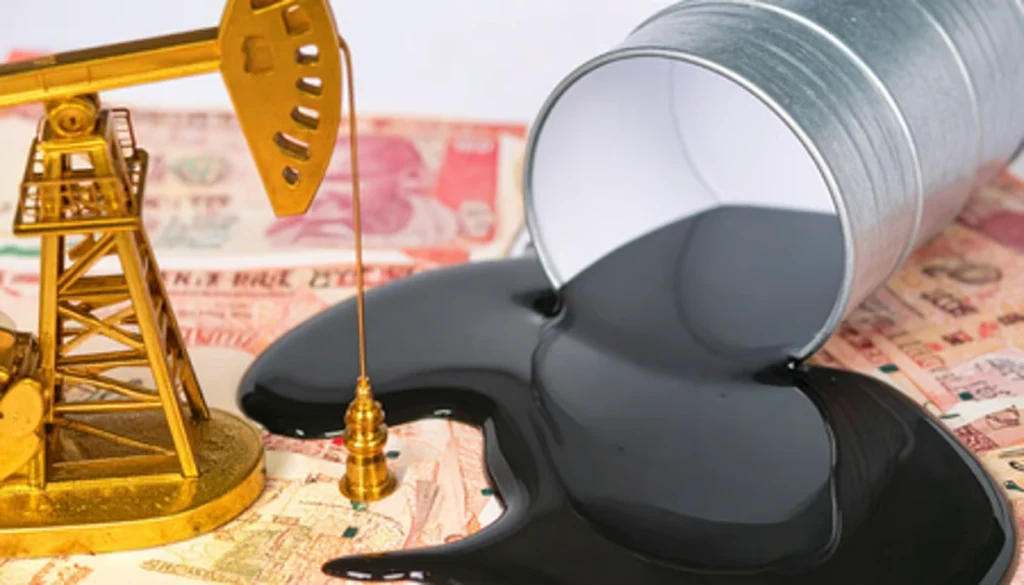
This geopolitical instability has had a direct spillover into commodity markets, with oil prices rising sharply. Brent crude climbed more than 3% to near $98 per barrel, while U.S. West Texas Intermediate rose about 2.8%. Higher energy prices typically raise inflation concerns and increase input costs for businesses, both of which can pressure equities.
The market reaction also reflects a broader tension between strong corporate performance and macroeconomic risk. Earnings season has largely delivered positive surprises. For instance, UnitedHealth shares surged about 7–8% after raising its profit forecast, offering one of the few bright spots in the Dow. Similarly, analysts continue to project robust earnings growth, with expectations of double-digit expansion for S&P 500 companies in the first quarter.
However, these fundamentals have struggled to gain traction amid persistent geopolitical uncertainty. As one portfolio manager noted, markets are balancing “really good expectations for earnings” against unanswered questions about the trajectory of the Iran conflict and its global implications.

Adding complexity is the continued enthusiasm around artificial intelligence investments, which has been a major driver of recent market rallies. JPMorgan recently raised its year-end S&P 500 target to 7,600, citing strong AI momentum and improving earnings outlooks. Yet even this structural optimism has not been enough to offset short-term volatility driven by geopolitical headlines.
Sector performance during the session underscores this dynamic. Energy stocks were the only major gainers, benefiting from rising oil prices, while technology and consumer sectors faced selling pressure. This divergence reflects a shift toward defensive positioning, with investors hedging against further escalation in global tensions.
Looking ahead, market direction will likely depend on two key factors: the evolution of the Middle East conflict and the strength of corporate earnings. If diplomatic efforts stabilize the situation, equities could regain upward momentum supported by strong fundamentals and AI-led growth. However, any escalation—particularly disruptions to oil supply routes—could deepen volatility and trigger further declines.
In the near term, investors appear cautious, recognizing that even strong earnings may not shield markets from geopolitical shocks. The current environment underscores a familiar reality in global finance: when uncertainty rises, fundamentals alone are often not enough to sustain market confidence.