
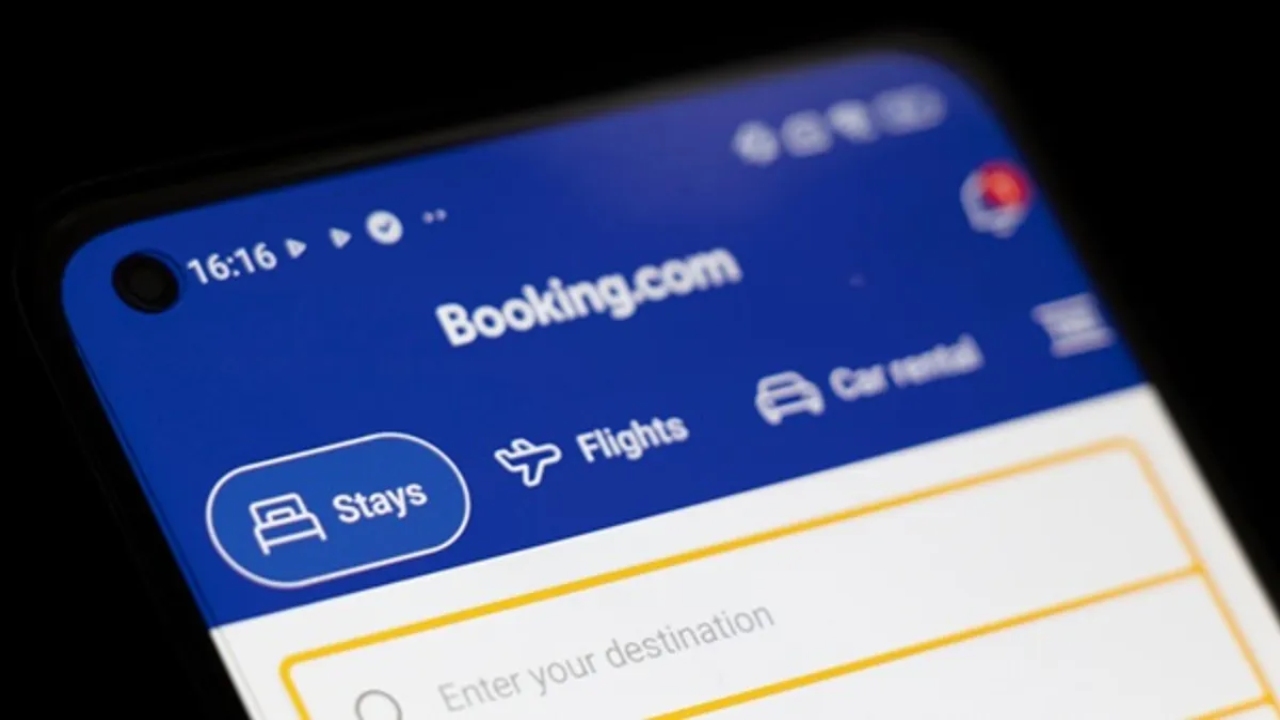
Italy’s competition watchdog has launched a formal antitrust investigation into Booking.com, putting one of the world’s largest hotel booking platforms under fresh regulatory scrutiny over how it ranks and promotes accommodation providers.
The probe, announced on April 22, centers on whether Booking.com’s “Preferred Partner” and “Preferred Partner Plus” programmes mislead consumers by giving certain hotels greater visibility based on higher commission payments rather than genuine quality or value. Italian authorities suspect these practices could distort competition and influence users into making more expensive booking choices.
The investigation is being led by the Italian Competition Authority, which has already conducted inspections at the company’s Italian offices with the support of financial police. It targets multiple entities within the Booking.com group, including its European operating units.
Booking.com has long been a dominant force in Europe’s online travel market, where digital platforms now play a central role in how consumers choose hotels. In Italy alone, around 70% of hotel bookings are made through online platforms, with Booking.com accounting for approximately 42% of digital bookings, underscoring its market influence.
This is not the first time the company has faced regulatory attention in the country. Italian authorities have previously examined its pricing practices and competitive behavior, reflecting broader European concerns about how large digital platforms shape consumer choice and market fairness.
At the heart of the current case is how Booking.com presents hotels within its ecosystem. Properties enrolled in its preferred programmes receive enhanced visibility, better placement in search results, and promotional labels suggesting superior quality or value.
However, regulators argue that these advantages may not be based on objective performance metrics. Instead, early findings suggest that selection into these programmes is largely driven by hotels willing to pay higher commissions, raising concerns that the platform’s rankings may favor paying partners over genuinely better options.
This distinction is critical. If visibility is effectively “paid for,” consumers may unknowingly interpret promoted listings as higher-quality choices. The regulator warned that such presentation could mislead users into booking accommodation that is, on average, more expensive, believing they are receiving better value.

Booking.com, for its part, has pushed back against the allegations. The company stated that its partner program are optional and designed to balance the interests of hotels and travelers, while remaining compliant with consumer protection laws. It also confirmed it is cooperating with the investigation.
Two key data points underline the significance of the case:
- Preferred program participation can materially impact performance, with premium-tier listings reportedly generating up to 30% more bookings on average due to increased visibility.
- Booking.com’s scale in Italy—42% share of online bookings within a market where 70% of reservations are digital—amplifies the potential consumer impact of any misleading ranking system.
These figures highlight why regulators view the issue not as a minor disclosure problem, but as a potential distortion of consumer decision-making across a large portion of the travel market.
The outcome of this investigation could have far-reaching implications for how online travel platforms operate across Europe. If the Italian authority finds evidence of misleading practices, Booking.com may face fines or be required to change how it ranks and labels hotels—potentially forcing greater transparency around paid visibility.
More broadly, the case signals intensifying scrutiny of algorithm-driven marketplaces, where the line between advertising and genuine recommendation is increasingly blurred. For consumers and hotels alike, the next phase of the probe will determine whether platform-driven convenience is being delivered with sufficient transparency—or at a hidden cost.