

Prime Minister Andy Burnham declined on Sunday to endorse plans for a third runway at Heathrow as the airport expansion project faces a potential four-year delay, with operations now expected no earlier than 2039. Burnham said the issue was primarily a matter for London and Londoners and that he wanted to consider the outcome of the consultation before taking a position.
The comments came after Heathrow told the UK government that the previously targeted 2035 opening date was no longer achievable. The airport is aiming to secure planning permission by 2029 and has said that, once permission is obtained, construction of the new runway could be completed within a decade. The revised timetable places additional attention on the project’s planning, regulatory and financing requirements.
Heathrow’s expansion is a major privately financed infrastructure project. The airport has put the broader expansion and modernization program at about £49 billion, including a proposed £21 billion third runway, new terminal capacity and upgrades to existing infrastructure. Heathrow says the project will be funded entirely through private investment rather than taxpayer funding.
The project has already required substantial policy and regulatory preparation. The UK government launched a consultation in June on a new Heathrow Expansion National Policy Statement, which is intended to establish the planning framework for any future third-runway application. The consultation covers economic growth, climate change, air quality and noise, while a final planning decision is targeted for 2029.
The government under former Prime Minister Keir Starmer backed Heathrow’s expansion proposal and selected Heathrow Airport Ltd.’s scheme as the basis for the continuing policy review in November 2025. At that time, ministers said the framework was intended to support a third runway becoming operational by 2035. The current timetable reflects the airport’s assessment that the original target cannot be met.
For Heathrow, the delay has implications beyond the physical construction schedule because the expansion depends on a sequence of planning and regulatory decisions before the large-scale investment program can proceed. The Civil Aviation Authority has also been developing regulatory arrangements governing the treatment of early expansion costs and the wider financing framework for additional airport capacity.
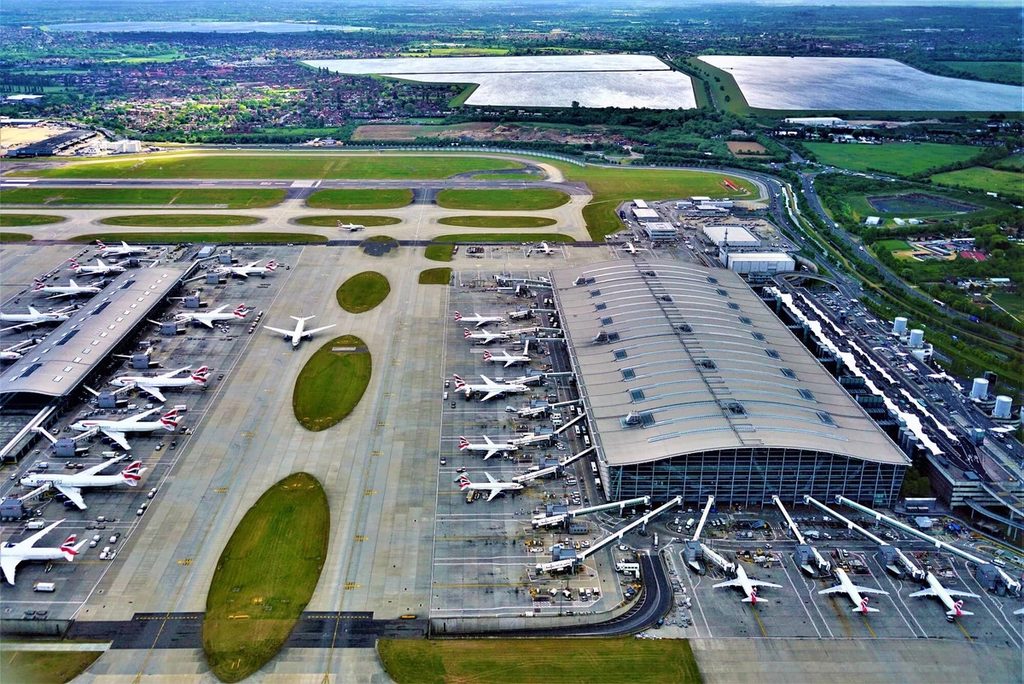
Heathrow currently operates with two runways and says the airport is operating at capacity. Its proposed expansion would include a new runway of up to 3,500 metres, additional terminal facilities, changes to airfield infrastructure and improvements to road and public transport connections. Heathrow estimates the expanded airport could eventually handle up to 150 million passengers a year.
The economic case for expansion has been a central part of the government’s support for the project. The Department for Transport said in June that an expanded Heathrow could support more than 60,000 new local jobs and generate more than £40 billion in benefits for the UK, while improving passenger and freight connectivity.
Burnham’s comments do not by themselves cancel the project, which remains subject to the formal planning process and government policy framework. Heathrow remains in the pre-application stage for a Development Consent Order, and any third-runway proposal would still require examination and approval through the statutory planning process.
The combination of a later delivery date and uncertainty over political support adds another layer to the project’s already lengthy approval process. For investors, airlines, contractors and businesses tied to Heathrow’s supply chain, the timing of planning decisions and the regulatory framework will remain key factors in determining when the proposed multibillion-pound expansion can move from planning into full-scale delivery.
