
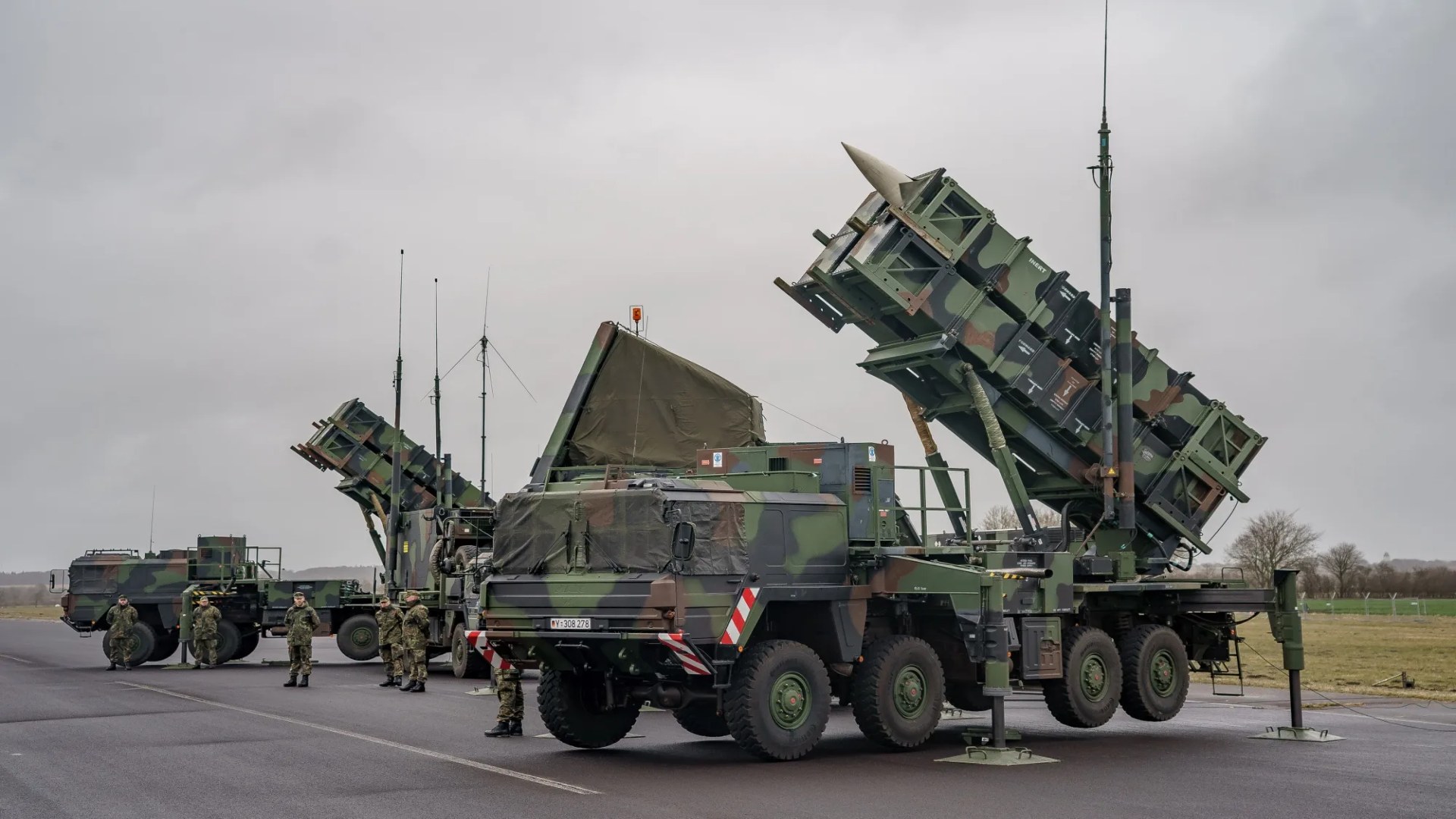
Lockheed Martin has secured a $4.7 billion contract to produce Patriot missile interceptors, marking another major expansion of U.S. and allied air defense capacity at a time of rising global security threats.
The award, tied to production of the PAC-3 Missile Segment Enhancement (MSE) interceptors, reinforces the Pentagon’s push to scale up manufacturing of one of its most critical missile defense systems. The Patriot system has become central to modern air defense strategies, particularly in Europe and the Middle East, where demand has surged due to ongoing conflicts and heightened geopolitical tensions.
The latest contract builds on a series of increasingly large deals for Lockheed Martin’s missile division. In 2025, the U.S. Army awarded the company a record $9.8 billion contract for 1,970 Patriot interceptors, the largest in the firm’s history. That deal underscored the accelerating reliance on Patriot systems, which have been widely deployed by U.S. allies and used in active conflict zones such as Ukraine.
What makes the new $4.7 billion agreement particularly significant is its alignment with a broader Pentagon strategy to shift from short-term procurement to sustained, high-volume production. Lockheed Martin is already working under a long-term framework to increase annual PAC-3 output from roughly 600 units to as many as 2,000, more than tripling capacity over several years. This industrial ramp-up reflects not only U.S. military needs but also strong demand from allied nations purchasing through Foreign Military Sales programs.
The PAC-3 MSE interceptor itself is a high-precision, hit-to-kill missile designed to destroy incoming ballistic missiles, cruise missiles, and aircraft. Each unit is estimated to cost around $4 million, according to U.S. Army budget documents. Its effectiveness in real-world operations has made it a “must-have capability,” as described by Lockheed Martin executives, particularly after its performance in recent conflicts.
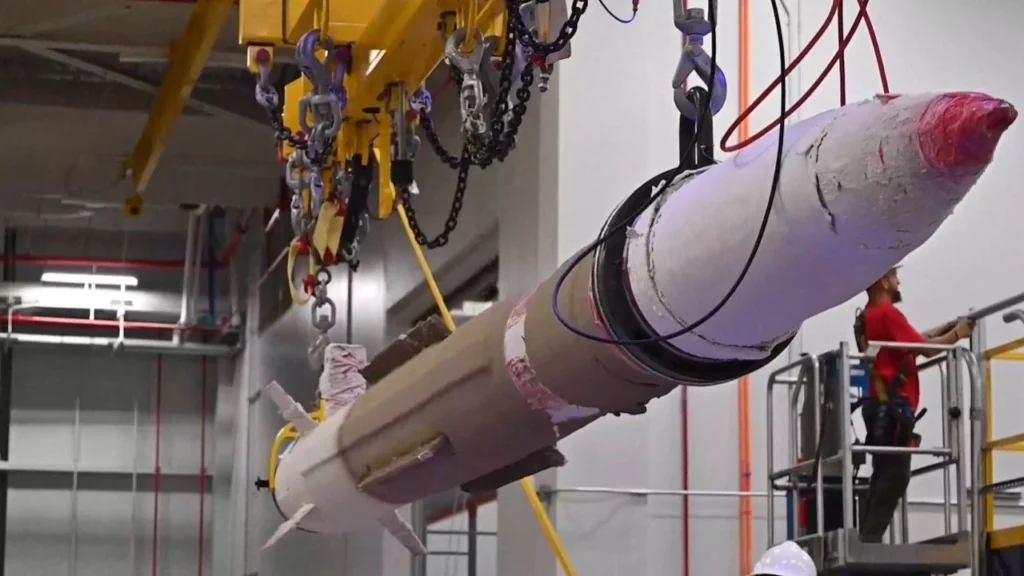
From a strategic standpoint, the contract signals a deeper shift in defense priorities. Rather than developing entirely new systems, the Department of War is doubling down on proven technologies that can be produced rapidly and at scale. This approach is intended to address concerns about depleted stockpiles and long production timelines, issues that became evident during prolonged conflicts involving U.S. and allied forces.
Economically, the deal also strengthens the U.S. defense industrial base. Lockheed Martin has been investing billions of dollars to expand manufacturing capacity, modernize facilities, and secure supply chains. Increased production not only supports military readiness but also creates jobs and stabilizes long-term procurement planning for suppliers across multiple states.
The implications extend beyond the United States. More than a dozen countries already operate Patriot systems, and many are increasing orders to counter evolving missile threats. The growing reliance on these interceptors suggests that air and missile defense is becoming a central pillar of global security policy, especially as adversaries develop more advanced strike capabilities.
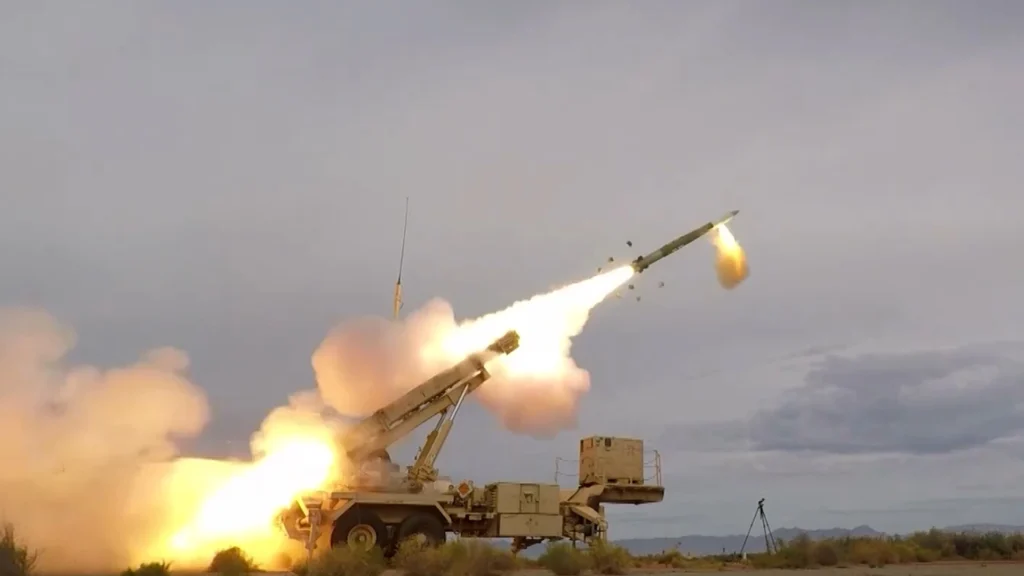
Looking ahead, the $4.7 billion contract is unlikely to be the last of its kind. With demand continuing to rise and production targets expanding, further multi-billion-dollar agreements are expected. The key question now is whether industry can sustain the pace of output required to meet both U.S. and allied needs—without running into supply chain or workforce constraints.
In the near term, however, the message is clear: the United States and its partners are investing heavily in scalable, battle-tested missile defense systems, and Lockheed Martin remains at the center of that effort.