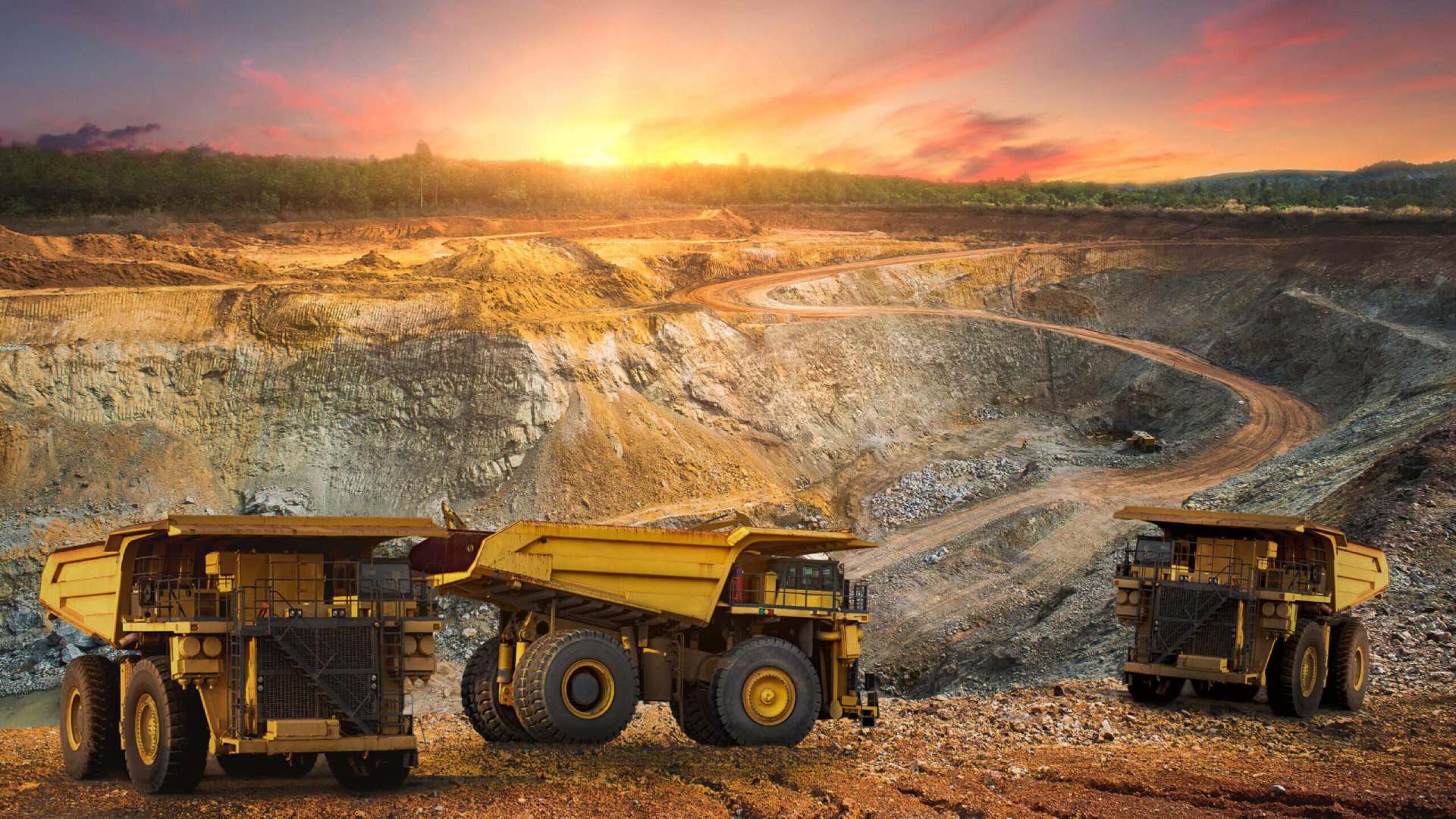
The global ripple effects of the Middle East war are now hitting the world’s largest copper producer, as Chile’s Codelco confirms a sharp rise in production costs driven by energy and supply chain disruptions.
The company reported that escalating geopolitical tensions have increased its cash costs by at least $0.10 per pound, a significant jump for an industry where margins are tightly managed. This shift underscores how a regional conflict is translating into tangible cost pressures across global commodity markets.
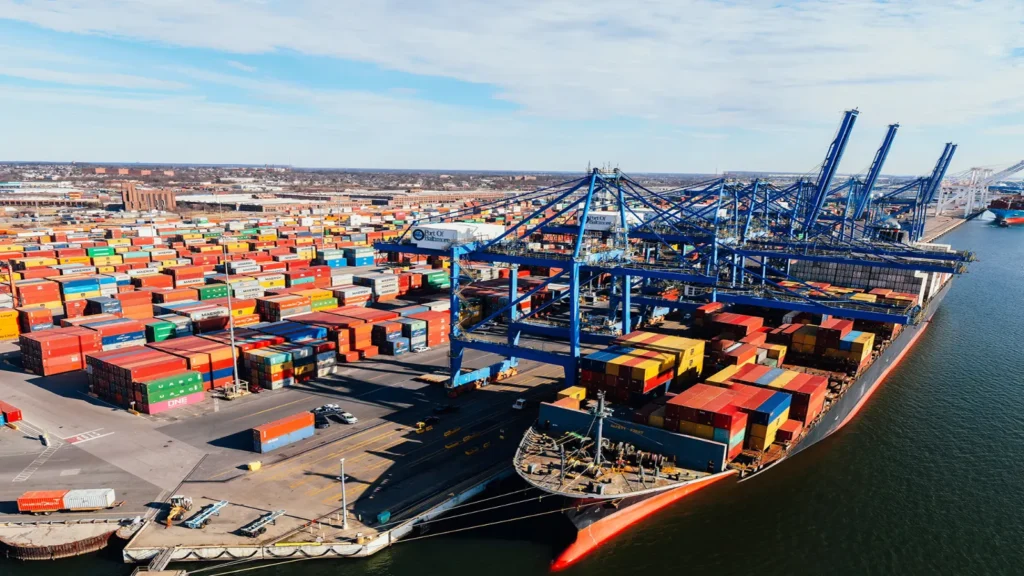
The impact stems largely from rising fuel prices, higher costs of key industrial inputs, and logistical disruptions linked to instability in critical energy corridors. The Middle East conflict has already pushed oil prices higher and complicated shipping routes, increasing operating expenses for mining companies dependent on energy-intensive processes.
Codelco’s situation is particularly important because it is the largest copper producer globally, making its cost structure a bellwether for the broader metals market. Even modest cost increases at this scale can influence global copper pricing and downstream industries, including construction, electronics, and renewable energy.
Despite these pressures, the company maintains that its production outlook remains intact. It is still targeting 1.344 million metric tons of copper output in 2026, with longer-term ambitions to reach 1.7 million tons by 2030. In the first quarter alone, production reached 271,300 tons, slightly lower year-on-year due to planned maintenance but still within expected ranges.
One mitigating factor has been strategic procurement. Codelco secured a full year’s supply of sulfuric acid—an essential input for copper processing—before prices surged, allowing it to partially shield operations from the worst of the cost spike. However, executives acknowledge that broader industry challenges remain, particularly around maintaining operational continuity in an increasingly volatile global environment.
The cost increase is not isolated. Earlier estimates suggest the war could raise copper production costs by around 5% overall, driven by higher diesel prices, supply chain disruptions, and policy changes affecting fuel subsidies. This aligns with a broader trend of “cost-push inflation” across commodities, where external shocks raise production expenses even without direct supply disruptions.
For the global copper market, the implications are significant. Copper is a critical material for electrification, infrastructure, and clean energy technologies. Any sustained increase in production costs could tighten supply and push prices higher, especially at a time when demand is expected to grow steadily.

At the same time, the conflict’s direct impact on copper supply remains limited. Middle Eastern producers account for a relatively small share of global output—around 1–1.5%—meaning the primary effect is indirect, transmitted through energy markets and input costs rather than physical shortages.
Looking ahead, the trajectory of copper costs will depend heavily on the duration and intensity of the Middle East conflict. If energy prices remain elevated, mining companies like Codelco may face prolonged margin pressure, potentially leading to higher global copper prices. Conversely, any stabilization in oil markets could ease cost pressures and restore balance.
For now, the message from the world’s largest copper producer is clear: even without direct supply disruption, geopolitical shocks are reshaping the economics of global mining—and the effects are already being felt.