
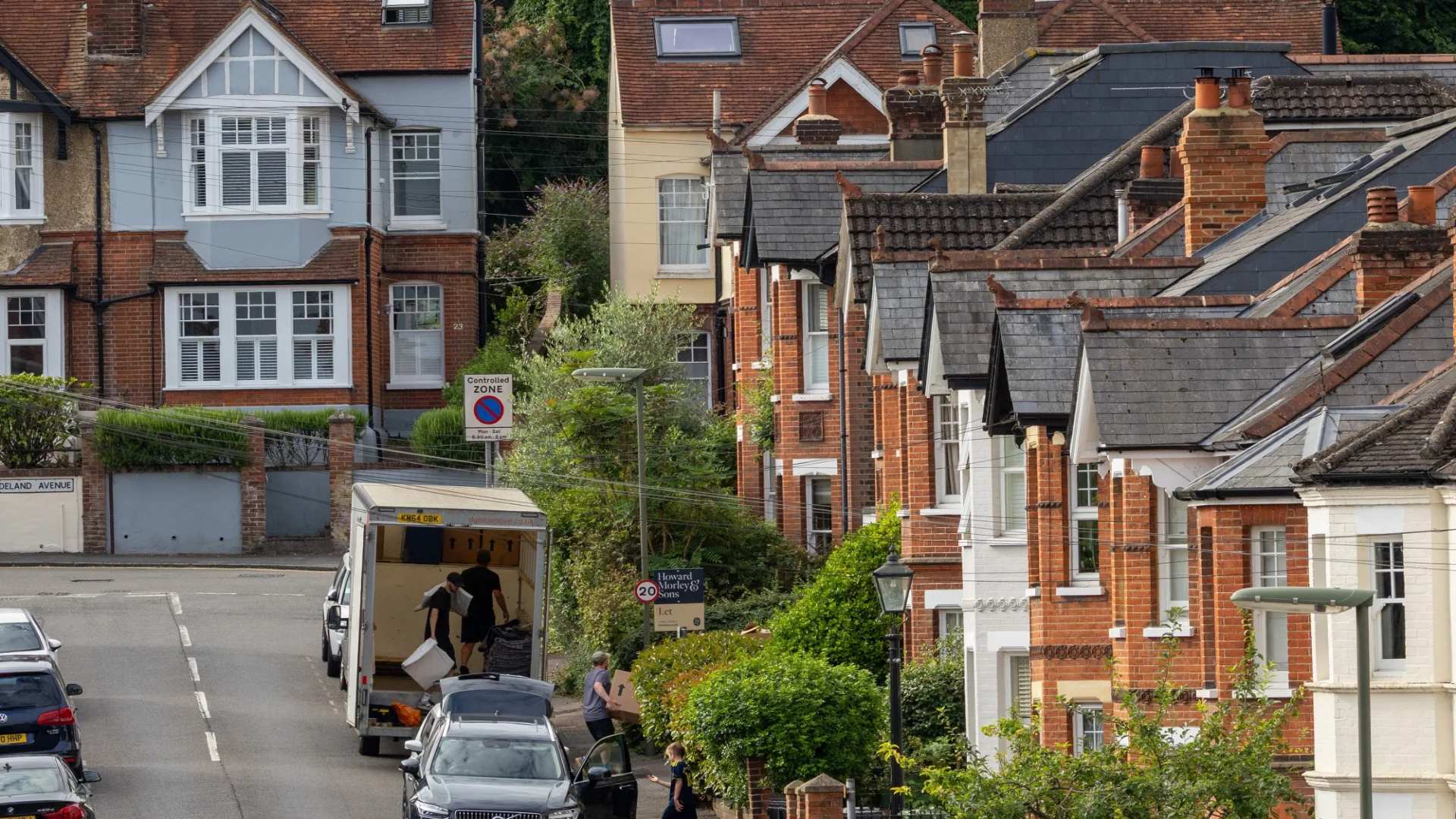
The UK housing market is showing clear signs of strain as rising mortgage rates—triggered by geopolitical tensions linked to the Iran war—push buyers to the sidelines. A fresh survey from the Royal Institution of Chartered Surveyors (RICS) indicates that demand, sales expectations, and price outlooks have all deteriorated sharply, marking a sudden reversal in what had been an early-year recovery.
The downturn reflects how quickly global instability can ripple into domestic housing markets. Mortgage costs in the UK are closely tied to financial market expectations, particularly swap rates and inflation forecasts. As the Iran conflict drove up energy prices and heightened inflation concerns, lenders responded by increasing borrowing costs, eroding affordability for prospective buyers.
RICS data for March shows a pronounced weakening across key indicators. The net balance for house prices fell to -23, the steepest decline since January 2024, while expectations for future prices dropped further to -43, the lowest level since August 2023. Surveyors reported that higher mortgage rates were the primary factor deterring buyers, with many delaying purchases amid uncertainty.
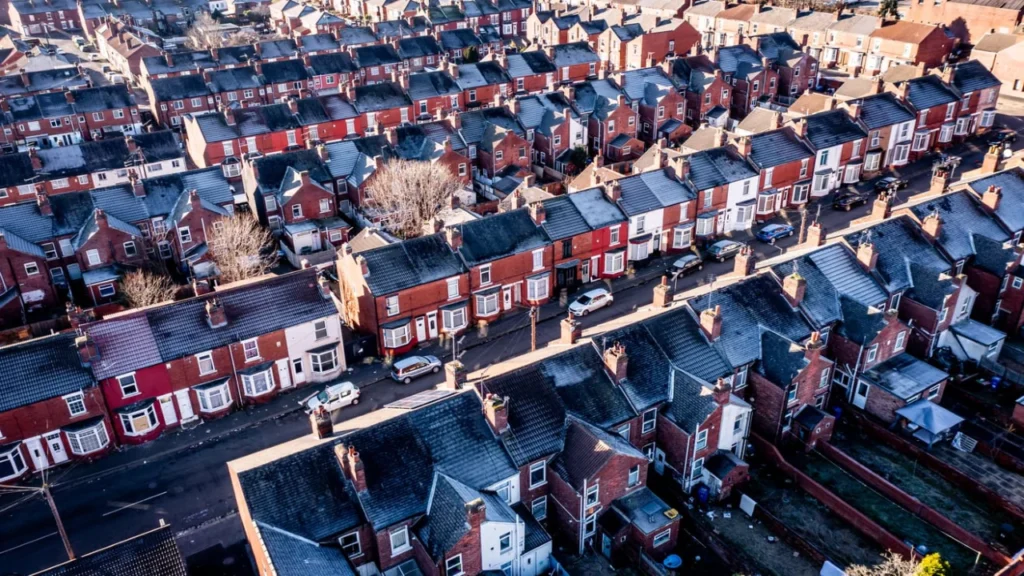
This aligns with broader market data. UK house prices fell by 0.5% in March, according to Halifax, defying expectations of growth and reducing annual price increases to just 0.8%, well below forecasts. Analysts attribute this slowdown directly to the geopolitical shock, which has increased both borrowing costs and economic uncertainty.
At the core of the issue is the surge in mortgage rates. Average two-year fixed rates have climbed to around 5.84%, the highest since 2024, while five-year deals have also risen significantly. For households refinancing in 2026, the impact is substantial: nearly 971,000 homeowners are expected to roll off fixed-rate deals this year, with many facing monthly payment increases of around £100. This sharp rise reflects a shift from the ultra-low rates of the early 2020s, when many borrowers secured deals near or below 2.5%.
The mechanism behind these increases is rooted in financial markets. The Iran conflict has pushed up oil prices and inflation expectations, which in turn lifted government bond yields and swap rates—the benchmarks lenders use to price mortgages. Even a temporary ceasefire has only slightly eased these pressures, leaving borrowing costs well above pre-conflict levels.
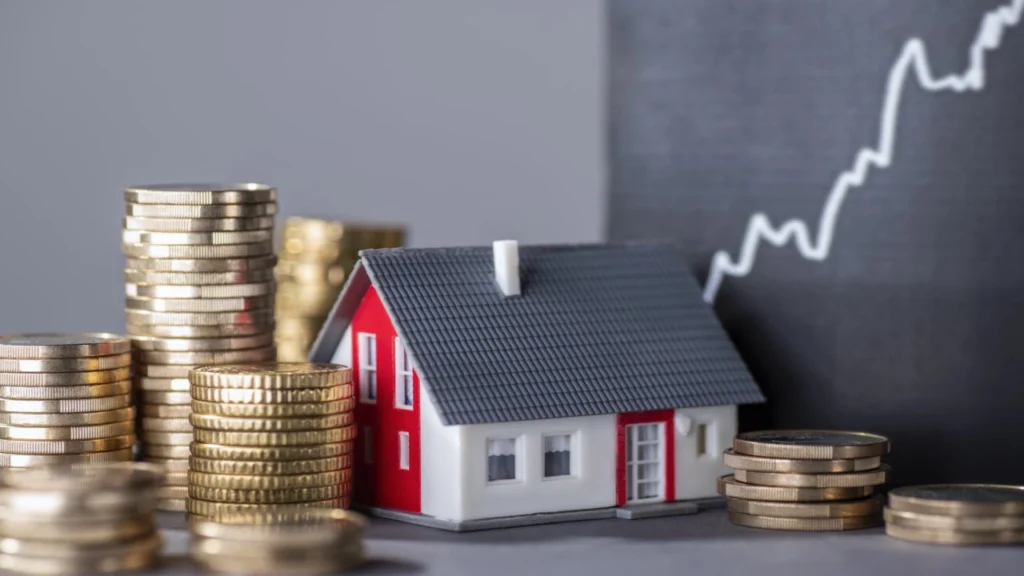
Beyond homebuyers, the effects are spreading across the wider housing ecosystem. Rental demand is rising as fewer people can afford to buy, with RICS reporting a positive rental demand balance of +25. At the same time, a shortage of landlord supply is intensifying pressure on rents, compounding the cost-of-living challenge.
Professionally, the implications are significant. A sustained slowdown in transactions could affect construction activity, estate agency revenues, and broader economic growth. Housing is a key driver of consumer confidence and spending in the UK, and prolonged weakness may dampen recovery prospects in other sectors.
Looking ahead, the trajectory of the housing market will depend heavily on geopolitical developments and their impact on inflation. If energy prices stabilize and inflation pressures ease, mortgage rates could moderate, restoring some buyer confidence. However, if tensions persist, the market is likely to remain subdued, with affordability constraints continuing to limit demand and put downward pressure on prices.