
The United States and China have agreed on reciprocal tariff reductions covering about $30 billion of imports from each country, with the two governments releasing product lists that identify the goods eligible for more favorable treatment. The framework was developed through the U.S.-China Board of Trade following trade discussions in September and is expected to affect consumer goods, agricultural products, energy, medical equipment and other non-sensitive trade.
The U.S. and Chinese governments said the arrangement covers imports worth about $30 billion in each direction, based on 2024 bilateral trade values. China’s Ministry of Commerce said more than 90% of the products covered by the framework will have the additional tariffs imposed during the trade dispute removed, allowing them to receive most-favored-nation tariff treatment. The reductions will be implemented after both countries complete their respective domestic legal and procedural requirements.
The U.S. list covers Chinese products including toys, household appliances, baby products, kitchen and bathroom goods, holiday items and other consumer products. The White House said the U.S. import list includes small appliances, toys, holiday decorations and children’s car seats, while the broader product recommendations also cover other non-sensitive consumer goods.
China’s list covers U.S. agricultural products, personal-care goods, medical devices and coal, among other products. The Chinese Ministry of Commerce said the two sides agreed to publish their respective lists and then implement the tariff reductions simultaneously after completing their domestic procedures.
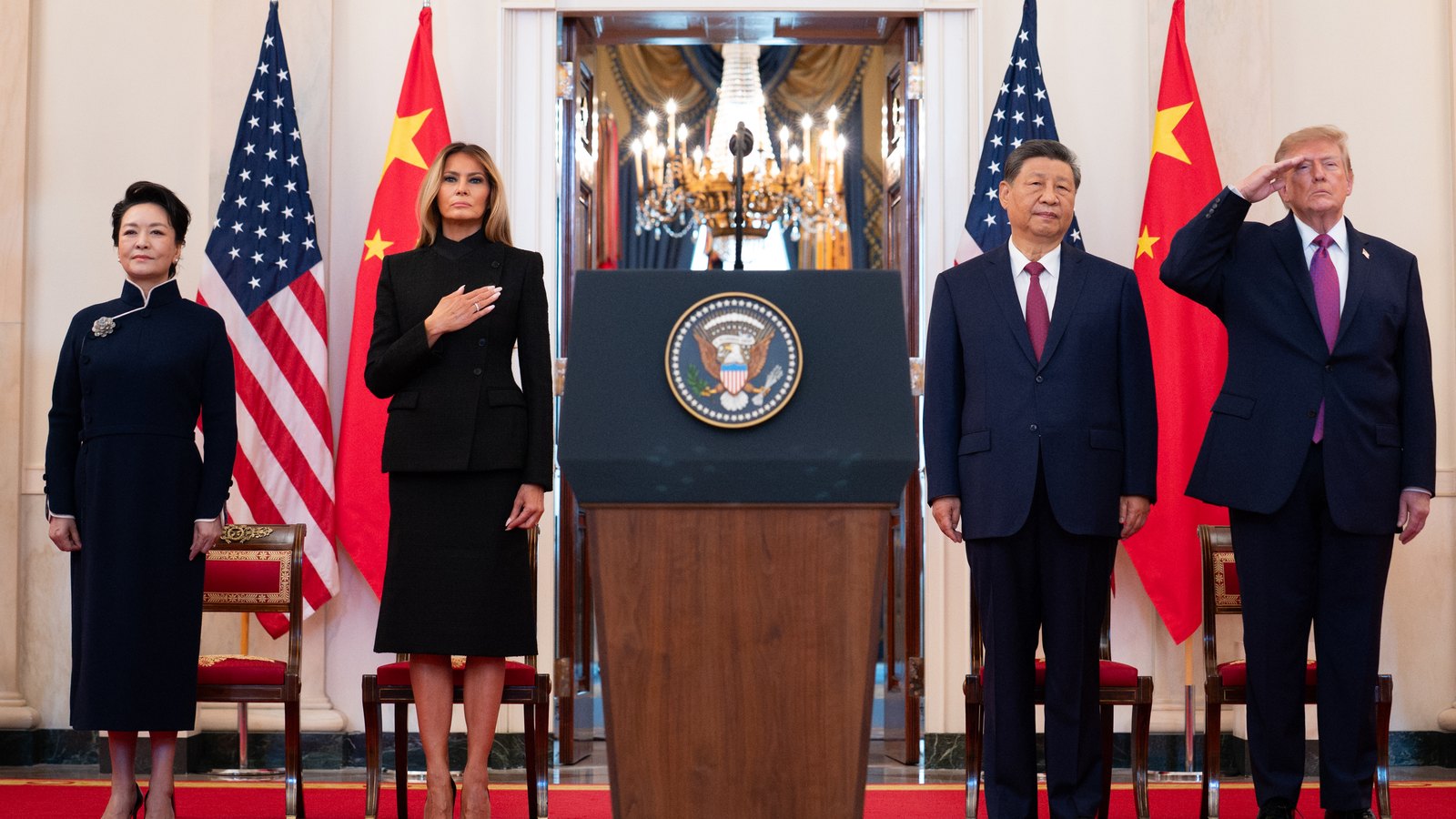
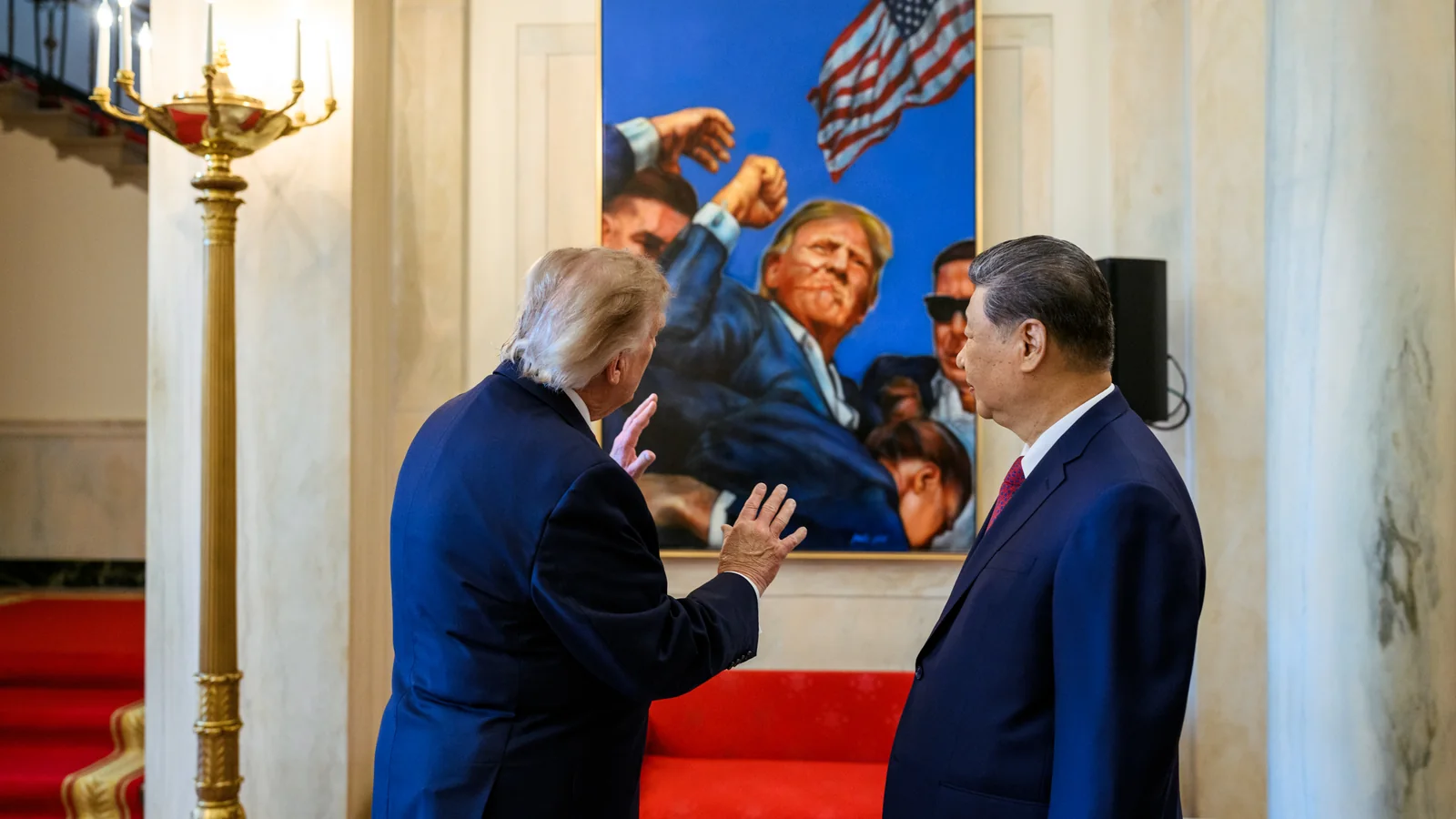
The lists give businesses more detail on the scope of the tariff arrangement than the broad agreement announced after President Donald Trump and Chinese President Xi Jinping met in Washington. The White House said the two governments had reached consensus on recommendations for more favorable tariff treatment for $30 billion of non-sensitive goods in each direction.
For U.S. exporters, the framework includes agricultural products, fish and seafood, logs and wood products, cosmetics and medical devices. China has also agreed to establish an agricultural working group with the United States to address regulatory and market-access issues, with the first meeting planned before the end of 2026.
The tariff arrangement is part of a broader effort to stabilize commercial ties between the world’s two largest economies after several rounds of higher tariffs and retaliatory measures. The latest framework does not cover all bilateral trade. The $60 billion combined value of the products under consideration represents a portion of the goods traded between the countries, while sensitive products and other unresolved trade issues remain outside the arrangement.
The White House also said China will import at least 10 million metric tons of U.S. coal in both 2027 and 2028. The two governments separately agreed to continue working on supply-chain concerns involving rare earths and other critical minerals, an issue that has remained central to the broader U.S.-China trade relationship.
The tariff lists followed negotiations held from September 20 through September 23 in New York and Washington. China’s Ministry of Commerce said the two sides reached agreement during those discussions on the operating rules of the Board of Trade, the responsibilities of the reciprocal tariff framework and the product lists.
The reductions are therefore not yet equivalent to tariffs already being cut at the border. Both governments said implementation will follow completion of their domestic legal procedures, after which the tariff treatment is expected to take effect simultaneously. The timing and final application of the reductions will determine when importers and exporters begin receiving the lower tariff treatment.