
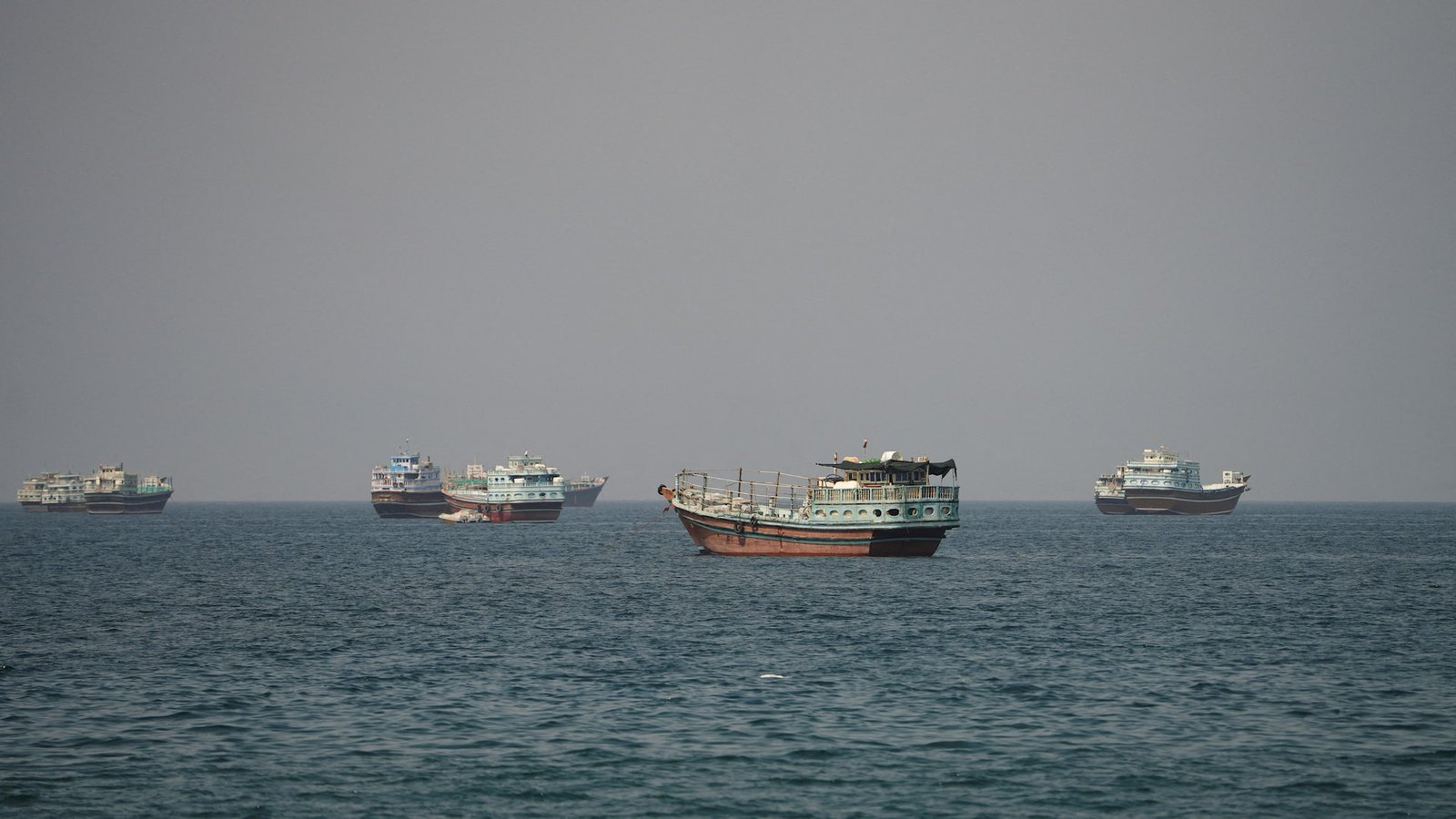
Iran is awaiting a formal U.S. response to its proposal to reopen the Strait of Hormuz within seven days, while maintaining that the conditions attached to the plan must be met before the waterway can reopen. Iranian Foreign Minister Abbas Araghchi said Sunday that Tehran had received an initial reaction from U.S. President Donald Trump but had not yet received Washington’s definitive position through mediators. Reuters and Turkish state news agency Anadolu separately reported the comments, citing Araghchi and Iran’s official IRNA news agency.
The development leaves the status of the strategic shipping route unresolved after Trump publicly rejected the Iranian proposal. Araghchi said mediators had not formally conveyed the U.S. position to Tehran and that Iran would make its decision after receiving the final response. He also reiterated that any progress toward reopening the strait remained conditional on Iran’s stated terms.
Iran’s seven-day roadmap was presented through intermediaries during the United Nations General Assembly in New York. Under the proposal, the United States would take steps including releasing frozen Iranian assets, lifting sanctions on Iranian oil sales and ending its naval blockade of Iranian ports. Iran would then reopen the Strait of Hormuz to normal maritime traffic within the proposed seven-day period, with broader negotiations to follow.

The proposal matters directly for energy and shipping markets because the Strait of Hormuz is a major route for global oil and gas transportation. Disruption to traffic through the waterway has already affected energy flows, while previous reports of a possible reopening helped push oil prices lower. Saudi Arabia has also been restoring operations on its East-West pipeline, which provides an alternative route for some crude exports around the strait.
The latest comments do not establish that the strait will reopen or that an agreement is close. Instead, they indicate that Tehran is keeping its proposal conditional while waiting for the formal position it says will be delivered through intermediaries. That leaves the timing of any normalization in commercial shipping uncertain.
The seven-day proposal itself has also faced conflicting accounts. Iran’s semi-official Fars News Agency previously denied reports about an earlier version of a Hormuz reopening offer, while Foreign Minister Araghchi subsequently publicly described a seven-day roadmap and its conditions.
For energy markets, the immediate issue is therefore whether the diplomatic process produces concrete steps affecting the waterway rather than whether a reopening has already been agreed. Until those conditions are met and commercial traffic resumes, the Strait of Hormuz remains a significant source of uncertainty for oil flows and shipping.
