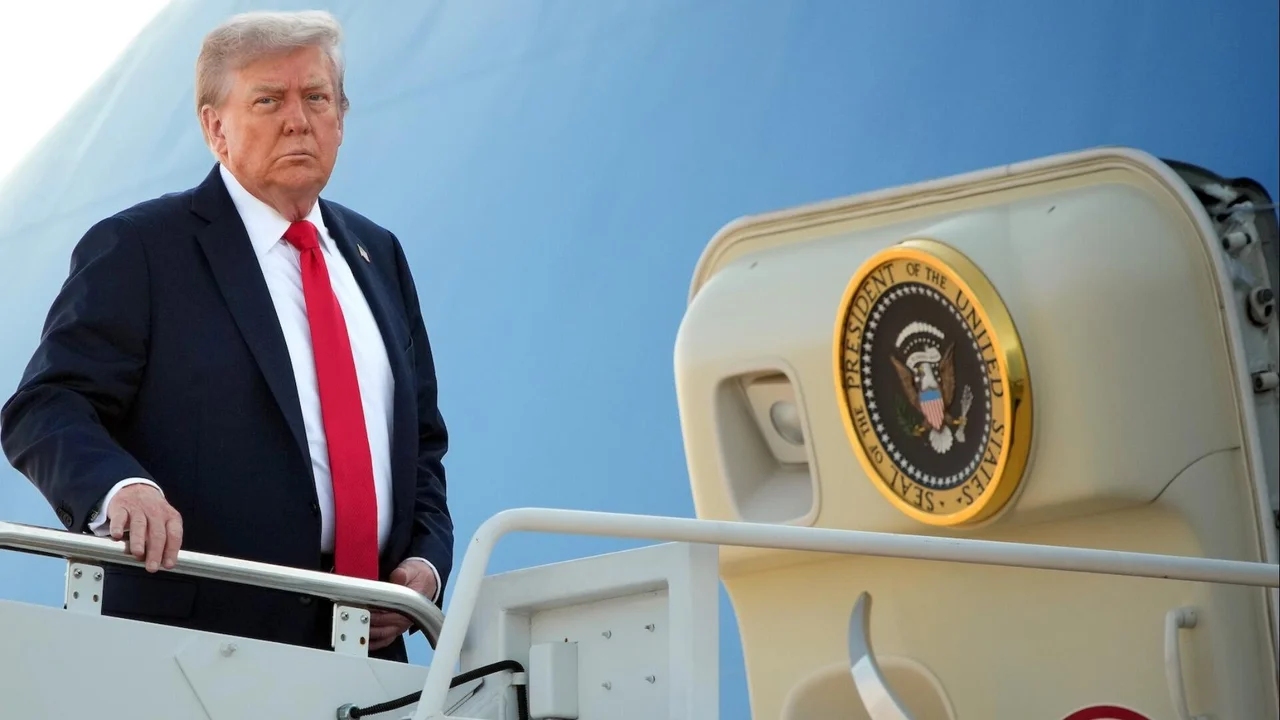
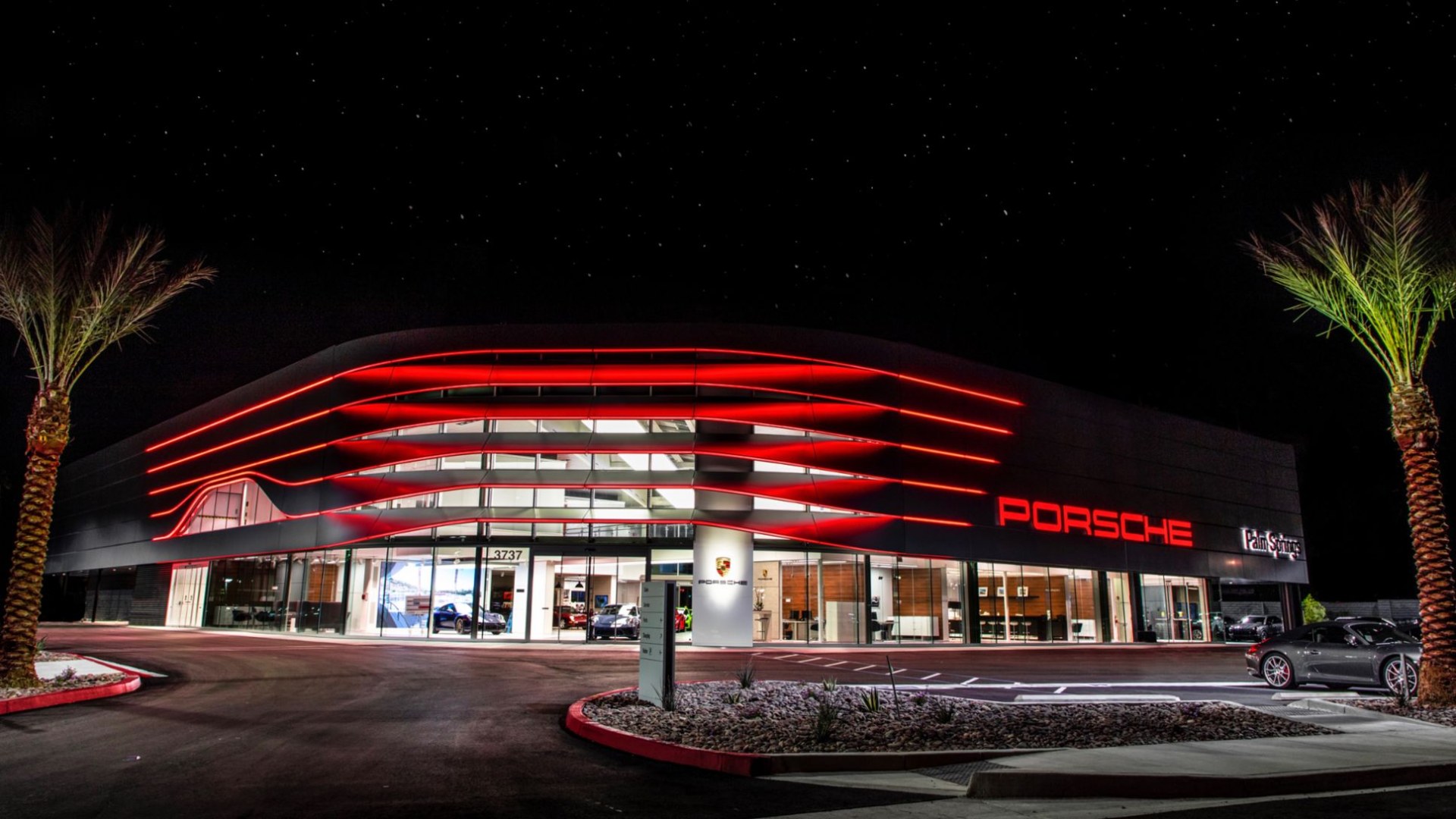
Porsche is pulling out of Bugatti entirely. The German sports car maker has agreed to sell its 45% stake in Bugatti Rimac and its 20.6% holding in Rimac Group to a consortium led by New York-based HOF Capital. The decision, announced on April 24, marks a complete exit from the joint venture that housed the legendary French hypercar brand.
The sale comes as Porsche fights for survival. The company reported a staggering 93% collapse in operating profit in 2025, with profit margins crashing to just 1.1% from 14.1% the previous year. New CEO Michael Leiters, who took over at the start of the year, is under intense pressure to cut costs and free up capital.
When Porsche formed the joint venture with Croatia Rimac in 2021, then-CEO Oliver Blume called it a marriage of Bugatti hypercar expertise with Rimac electric vehicle innovation . But that was before U.S. tariffs and collapsing demand in China squeezed Porsche core business. The brand that once generated double-digit margins now finds itself bleeding cash.
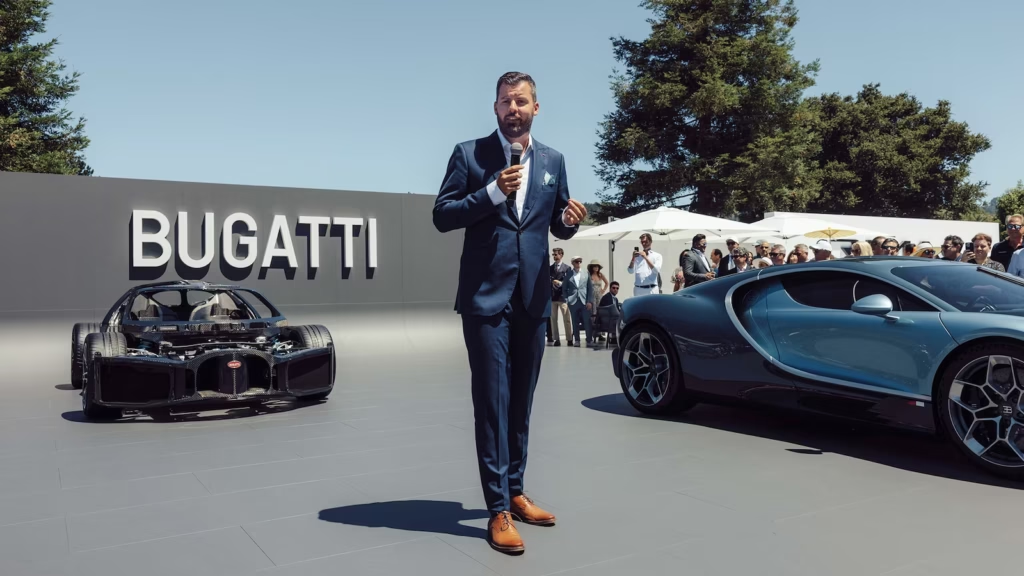
With the sale of our stake, we demonstrate that we will focus Porsche on the core business, Leiters said in a joint statement. Mate Rimac, CEO of Bugatti Rimac, struck a grateful tone: Porsche has been a crucial partner, and we are deeply grateful for their role in establishing Bugatti Rimac.
The buyer consortium is led by HOF Capital, co-founded by Onsi Sawiris of Egypt billionaire Sawiris family. BlueFive Capital, an Abu Dhabi-based firm with $15 billion in assets under management, joins as the largest investor. While financial terms remain confidential, sources familiar with the matter value Bugatti Rimac at over $1 billion. Rimac Group itself has been valued at more than billion ($2.34 billion) according to a 2022 Reuters report.
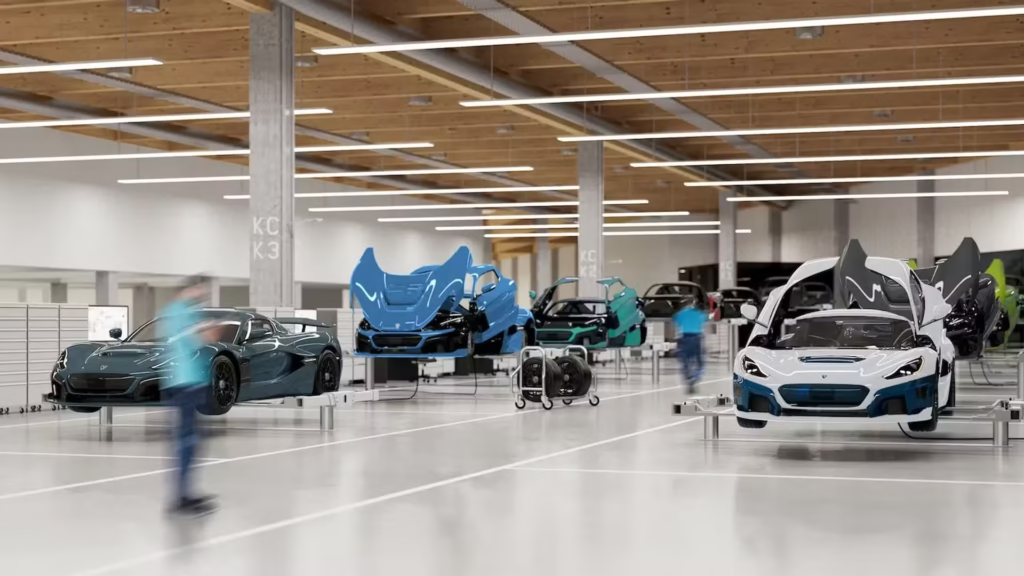
When the deal closes, expected before the end of 2026 subject to regulatory approval, Rimac Group will take full operational control of Bugatti Rimac. For Porsche, the path forward is singular: stop spreading resources thin and revive a core brand in crisis. For Bugatti, now backed by deep-pocketed investors, the question is whether new ownership can preserve the legend without the German engineering giant.