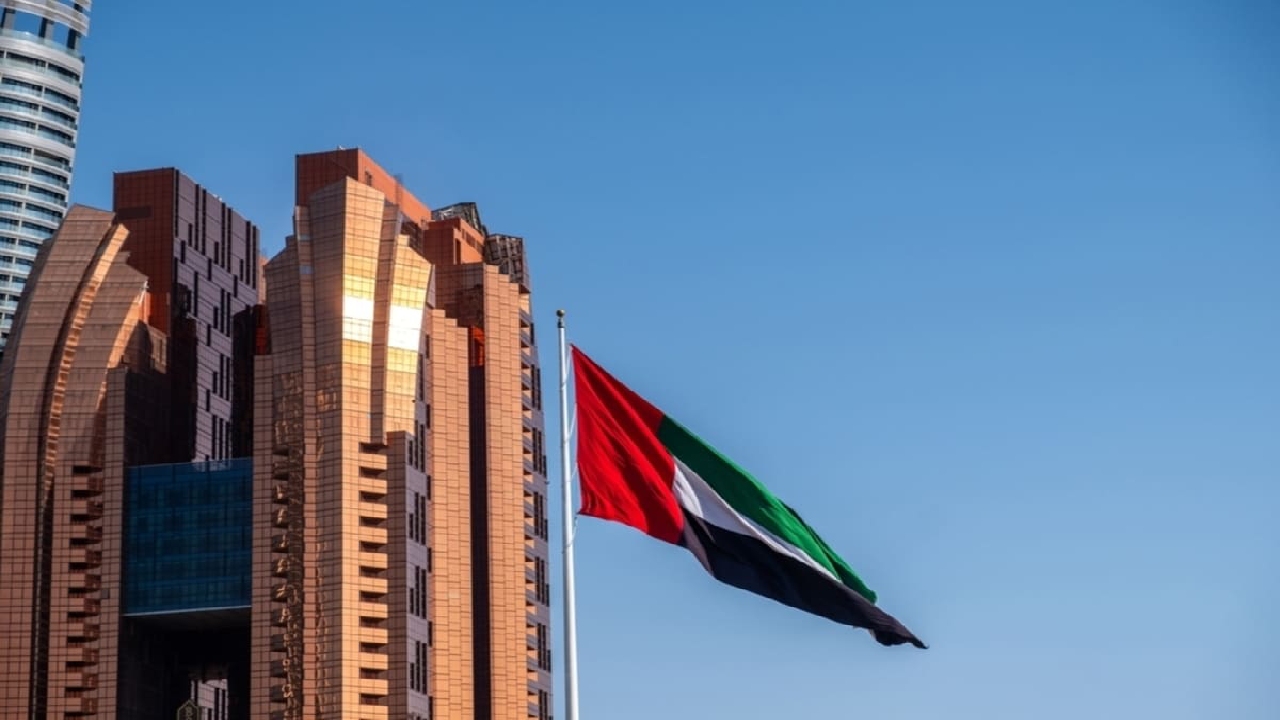
The United Arab Emirates (UAE) has confirmed that it is in discussions with the United States over establishing a currency swap line, a move that highlights deepening financial coordination between two major global economies. The talks, announced on May 4, 2026, come as Gulf states increasingly seek stronger dollar liquidity arrangements amid regional economic uncertainty.
The announcement was made by UAE Minister of Foreign Trade Thani Al Zeyoudi during a conference in Abu Dhabi. He said the arrangement would place the UAE among a small group of countries with access to U.S. Federal Reserve swap facilities, describing it as an “elite matter” rather than a financial rescue mechanism.
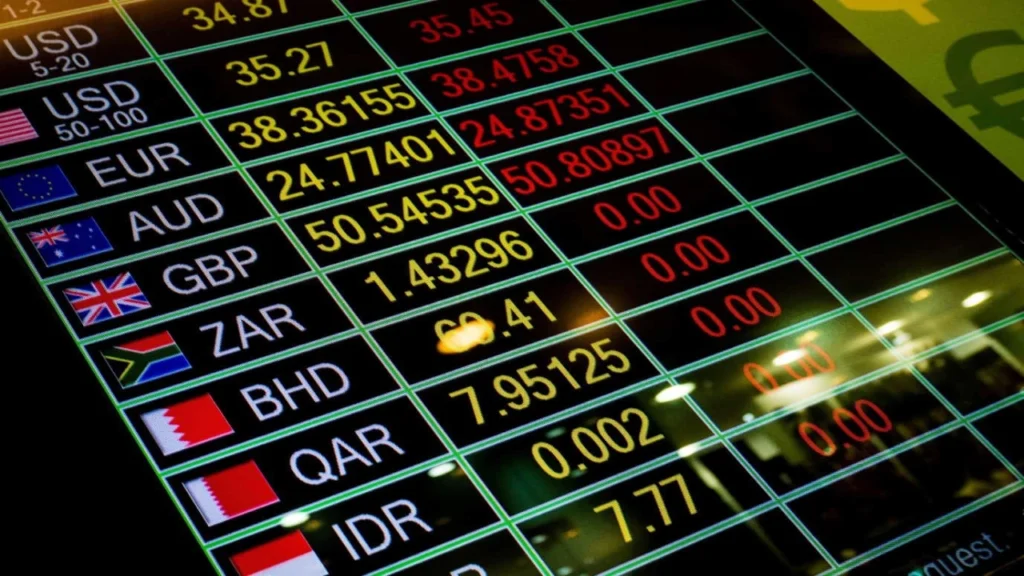
Currency swap lines allow central banks to exchange currencies directly, providing dollar liquidity without needing to access volatile foreign exchange markets. These agreements are typically used to stabilize trade and financial flows during periods of stress. The Federal Reserve currently maintains permanent swap lines with only five central banks: Canada, Japan, the eurozone, the United Kingdom, and Switzerland.
The discussions come amid heightened geopolitical and financial uncertainty in the Middle East. Recent regional instability, including disruptions to energy trade routes, has increased concerns about liquidity and cross-border payments.
According to U.S. Treasury Secretary Scott Bessent, several Gulf and Asian allies have recently requested swap lines from Washington to strengthen financial resilience during ongoing regional tensions. This reflects a broader shift in how strategically important economies are preparing for potential shocks to dollar access.
UAE officials, however, have stressed that the talks should not be interpreted as financial distress. Instead, they frame the arrangement as part of normalizing high-volume trade and investment flows between the two countries.
The UAE’s approach underscores a broader transformation in global liquidity management. While swap lines were historically activated during crises—such as the 2008 financial crisis and COVID-19 shock—they are increasingly being discussed as long-term trade infrastructure tools.
A key point emphasized by UAE officials is that the swap line would support trade and investment efficiency rather than serve as emergency financing. The UAE already holds strong foreign reserves and remains a major global energy exporter, reducing the likelihood that this is a liquidity-driven request.

At the same time, the United States has limited such arrangements to its closest financial partners. Expanding access would signal a notable policy shift, potentially redefining how dollar liquidity is distributed across allied economies.
The UAE–U.S. discussions are still at an early stage, and no formal agreement has been announced. Key questions remain around whether the Federal Reserve would expand its highly restricted swap network.
Looking ahead, approval would signal deeper financial integration between the Gulf region and the United States. If rejected or delayed, it may push the UAE and other regional economies to explore alternative liquidity mechanisms. Either way, the talks underline how currency access and dollar liquidity are becoming central tools of modern geopolitical strategy.