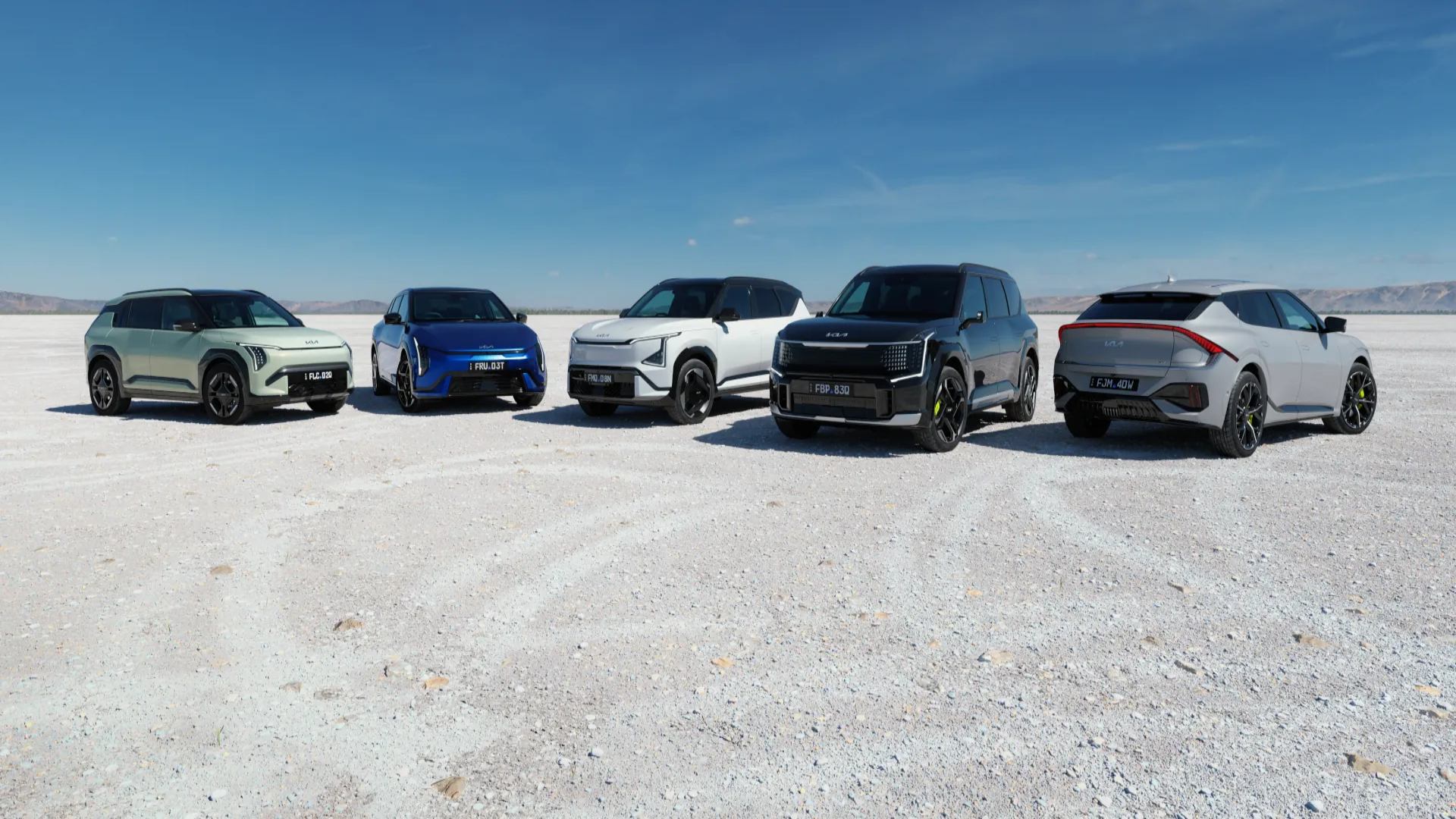
Kia is preparing to cut vehicle prices in Europe as intensifying competition from Chinese electric vehicle (EV) makers begins to reshape the region’s auto market, according to comments from its CEO. The move signals the early stages of a potential price war in one of the world’s most critical automotive battlegrounds.
Kia Corporation CEO Song Ho-sung said the company has already narrowed the price gap between its vehicles and Chinese rivals to around 15–20%, down from 20–25% previously, reflecting a deliberate shift toward more aggressive pricing.
The decision comes as Chinese automakers rapidly expand into Europe, leveraging lower-cost EV models to gain market share at a pace that is forcing legacy manufacturers to rethink their pricing strategies.
The European market has become a focal point for global EV competition. Chinese brands such as BYD are accelerating exports amid slowing domestic demand and limited access to the U.S. market. This shift has intensified pressure on established automakers like Kia, which now face both pricing and technological competition in a region historically dominated by European and Asian brands.
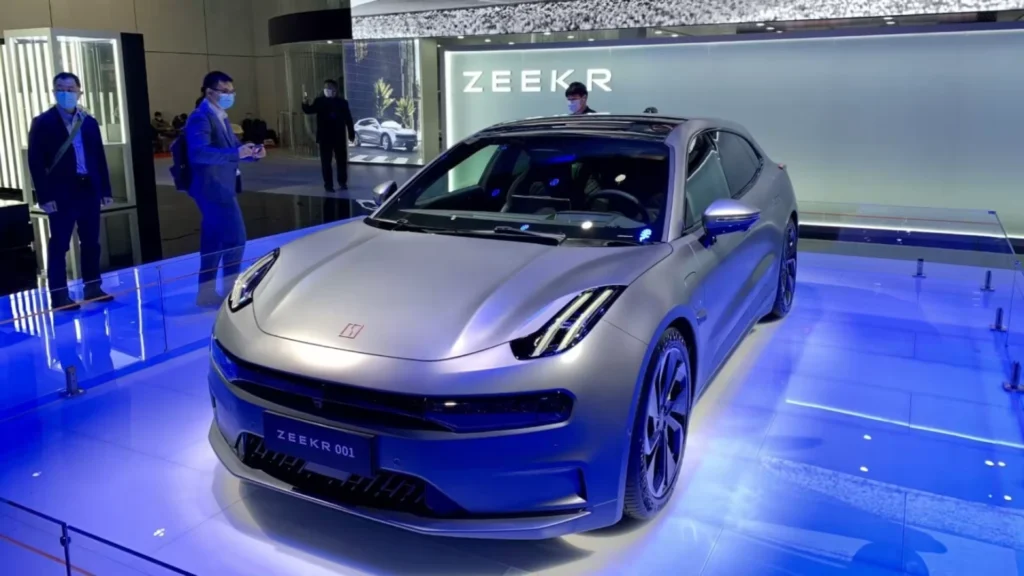
Kia’s response reflects a broader industry trend. Automakers are increasingly using price adjustments and incentives to defend market share as Chinese entrants scale quickly. Song indicated that the company is leveraging its existing profitability to absorb these pricing pressures, even as margins tighten.
The data underscores how quickly the competitive landscape is changing. BYD’s car registrations in Europe surged by nearly 150% in March, dramatically outpacing overall market growth of about 11% and the roughly 6% increase reported by Kia and its affiliate Hyundai. This gap highlights the speed at which Chinese manufacturers are gaining traction.
At the same time, Kia has already begun to feel the financial impact of its strategy. The company recently reported a decline in quarterly profit, partly attributed to sales incentives introduced in Europe to counter Chinese competition. This suggests that while price cuts may help defend market share, they come at a direct cost to profitability.
Executives also pointed to structural shifts in China’s auto industry as a contributing factor. China’s domestic car sales fell by 18% in the first quarter of 2026, pushing manufacturers to seek growth overseas. As government support for EVs begins to ease and overcapacity builds, more Chinese firms are expected to expand aggressively into foreign markets, particularly Europe.
Song warned that Chinese automakers have launched an “aggressive push” with low-priced EVs and are gaining market share faster than anticipated in some European countries. This dynamic is forcing competitors to adapt quickly or risk losing ground.
For the broader industry, the implications are significant. Europe is emerging as the primary arena where legacy automakers and Chinese EV firms will compete directly on price, technology, and scale. Unlike previous market cycles, where brand loyalty played a major role, affordability and features are becoming decisive factors for consumers.
Looking ahead, Kia’s strategy suggests that price competition will intensify across the sector. If Chinese manufacturers continue to expand at current rates, more automakers may be forced to follow suit with discounts and lower-cost models. This could compress margins industry-wide while accelerating EV adoption.
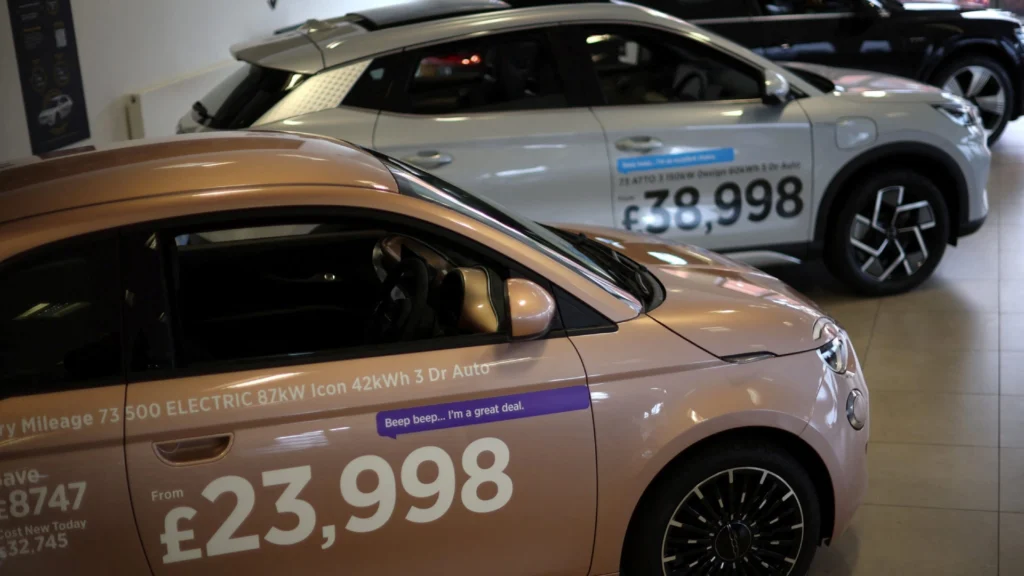
The next phase will likely depend on how long companies can sustain lower pricing without undermining profitability. If demand remains strong and competition continues to escalate, Europe could see a prolonged price war—one that reshapes not just market share, but the economics of the global auto industry.