

Adidas has gained a decisive edge in the high-stakes “supershoe” race against Nike after Kenyan runner Sabastian Sawe delivered a historic sub-two-hour marathon, a milestone that is already translating into commercial momentum for the German sportswear giant.
Sawe clocked an unprecedented 1:59:30 at the 2026 London Marathon, becoming the first athlete to break the two-hour barrier in an official race—while wearing Adidas’ flagship Adizero Adios Pro Evo 3 shoes. The achievement has not only reshaped long-standing limits in endurance sport but also strengthened Adidas’ competitive position against rival Nike in the lucrative performance footwear market.
The development marks a turning point in a rivalry that has defined distance running innovation for nearly a decade. Nike previously dominated headlines with its Vaporfly and Alphafly models, widely credited with improving race times and redefining elite performance standards. However, Adidas’ breakthrough suggests the technological gap is narrowing—or even reversing.
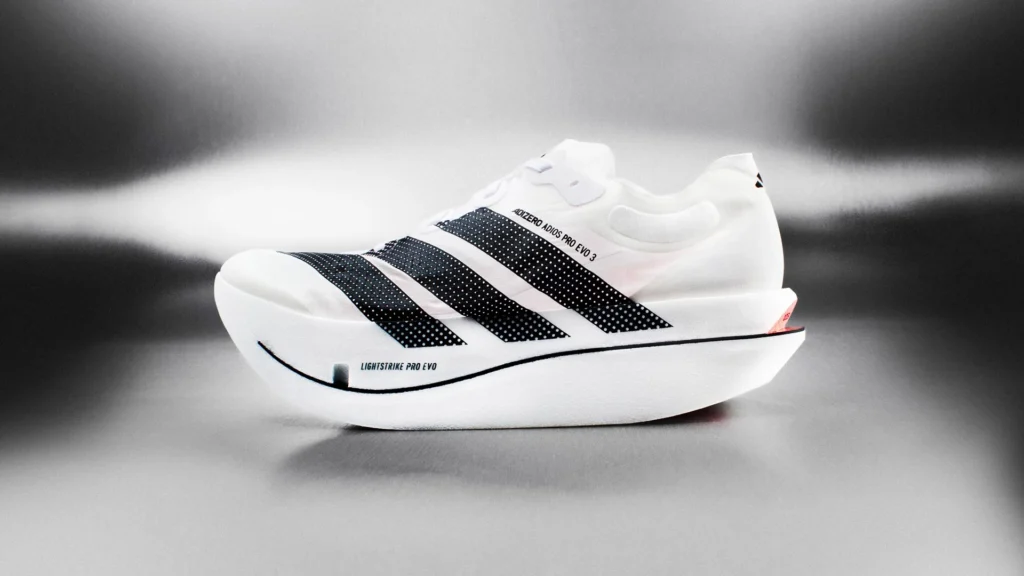
The broader context is a rapidly evolving “arms race” in running technology, where marginal gains can deliver decisive results. Supershoes—featuring advanced foam midsoles and carbon plate propulsion systems—have been shown to improve running economy by measurable margins. Adidas claims its latest model delivers about a 1.6% efficiency boost, a seemingly small figure that can translate into minutes over marathon distance.
Sawe’s performance has already had tangible financial implications. Adidas shares rose between 1.2% and 1.7% following the race, reflecting investor confidence in the brand’s renewed competitiveness in elite running. At the same event, multiple top finishers—including Ethiopia’s Yomif Kejelcha and Tigst Assefa—also wore the same Adidas model, reinforcing its dominance at the highest level of competition.
From a product standpoint, the Adizero Adios Pro Evo 3 represents a significant engineering leap. Weighing just 97 grams and priced at around $500, the shoe is designed specifically for race-day performance rather than everyday use. Its near-maximum legal stack height and carbon propulsion system are engineered to maximize energy return while staying within regulations set by governing bodies.
The implications extend beyond elite sport into branding and consumer demand. High-profile wins act as powerful endorsements, often driving sales across broader product lines. Analysts note that marathon victories have historically influenced consumer perception, with runners increasingly associating record-breaking performances with specific shoe technologies.
At the same time, the rapid evolution of footwear has sparked debate within the sport. Critics argue that technological advancements risk overshadowing athletic ability, while governing bodies like World Athletics have introduced limits on shoe design to maintain fairness. Still, the trend remains clear: innovation is accelerating, and brands are competing as much in laboratories as on racecourses.
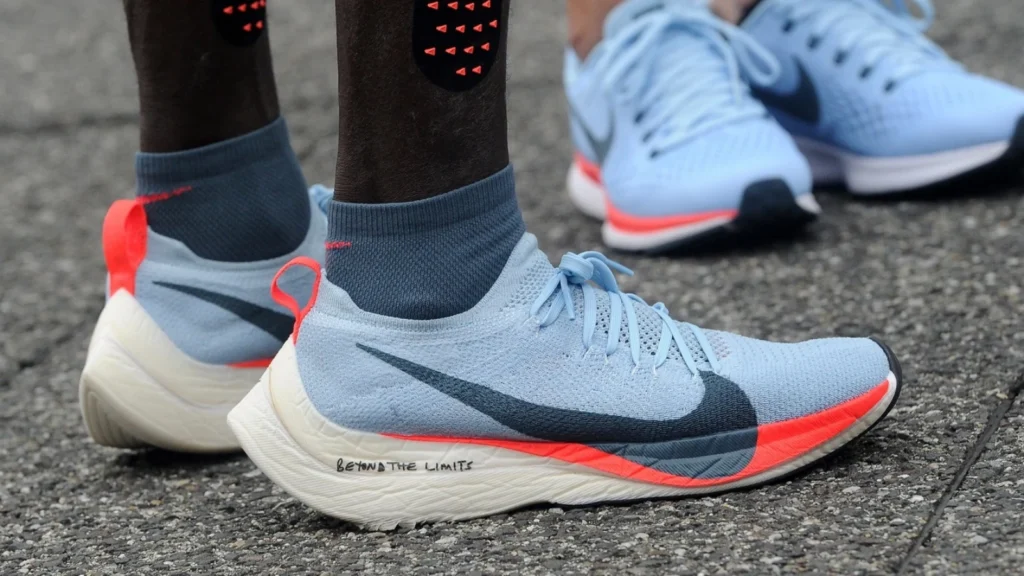
Looking ahead, the competitive response from Nike will be critical. The company is expected to roll out updated versions of its Alphafly and Vaporfly lines, aiming to reclaim leadership in a segment it once dominated. But Adidas’ latest breakthrough has shifted momentum, at least for now.
In the near term, the “supershoe” race is likely to intensify, with performance gains, athlete endorsements, and product innovation driving both market share and brand perception. If Sawe’s record proves to be more than a one-off result, it could mark the beginning of a new era—one where Adidas sets the pace in both sport and technology.