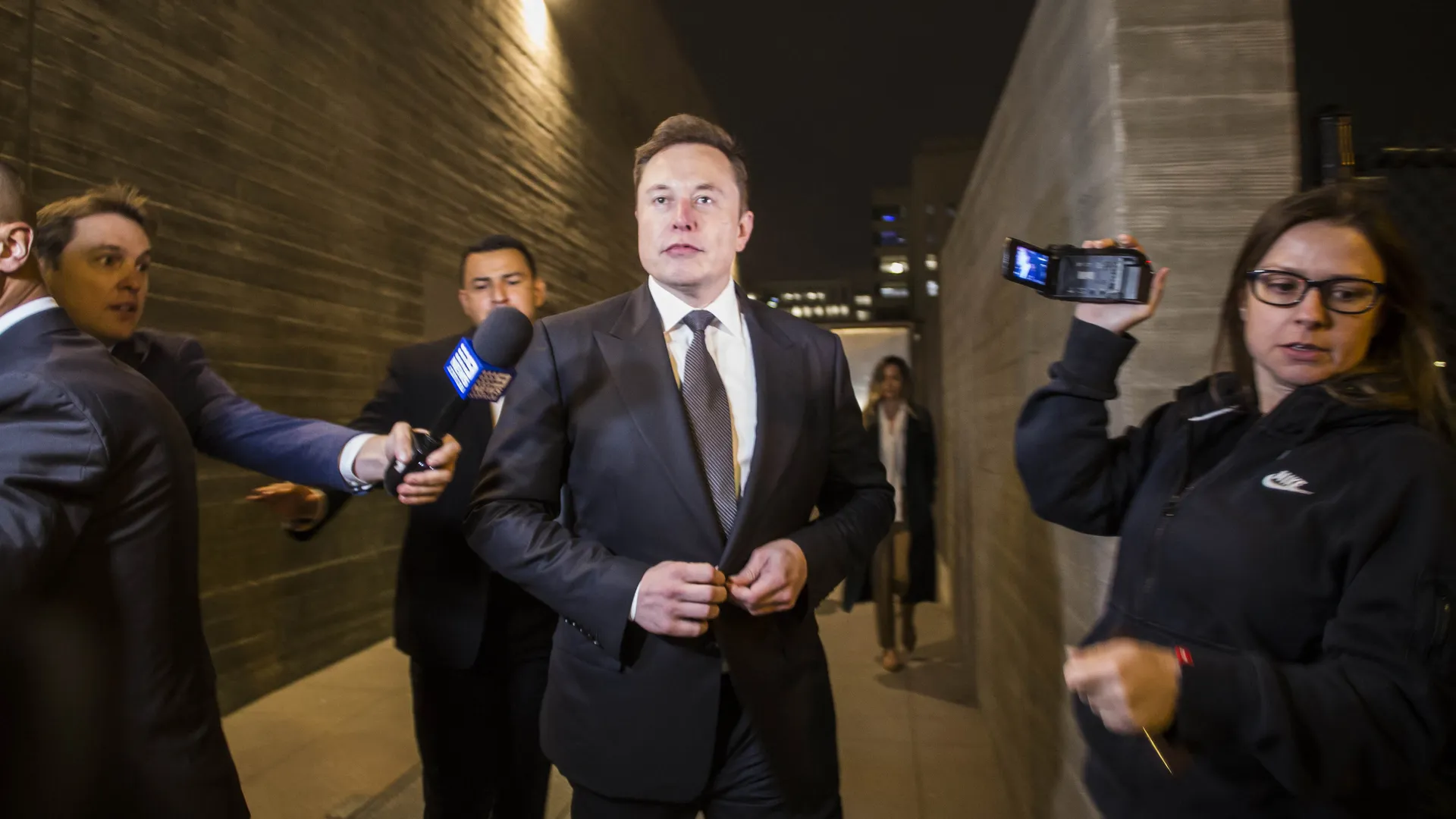
Elon Musk told a U.S. court it is “not ok to loot a charity” as he took the stand in a high-profile trial against OpenAI, accusing the organization he co-founded of abandoning its nonprofit mission for private gain.
The testimony comes at the center of a closely watched legal battle between Elon Musk and OpenAI leadership, including Sam Altman. Musk argues that OpenAI, originally established in 2015 as a nonprofit focused on benefiting humanity, shifted toward a profit-driven model that contradicts its founding purpose.
At issue is OpenAI’s transition to a “capped-profit” structure, introduced to attract large-scale investment and compete in the rapidly evolving AI sector. Musk claims this move effectively redirected resources meant for public benefit into a commercial framework. In court, he framed the change as a breach of trust, warning that it could undermine confidence in nonprofit institutions more broadly.
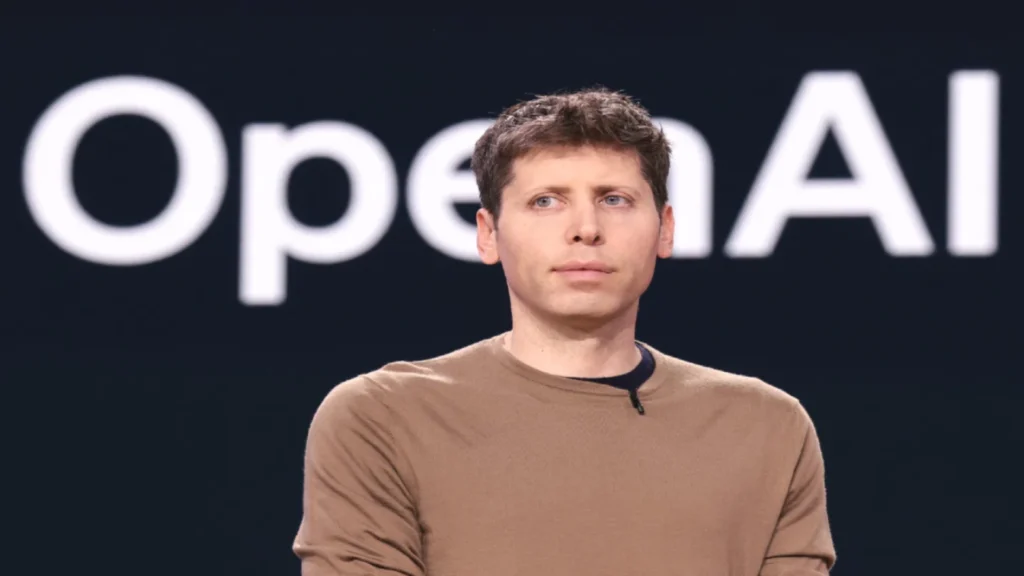
OpenAI strongly disputes these allegations. Its legal team maintains that the hybrid structure was necessary to secure funding, computing power, and talent in a highly competitive industry. The company also argues that Musk had previously supported similar changes before distancing himself and later launching a rival AI venture.
The case carries major financial and strategic implications. Musk is reportedly seeking damages of up to $150 billion and wants OpenAI to return to a nonprofit model. A key point of contention is OpenAI’s deep partnership with Microsoft, which has invested roughly $10 billion in the company—fueling its rapid growth and commercialization.
Beyond the immediate dispute, the trial highlights a larger debate over how advanced AI should be governed. Can organizations balance public-interest missions with the need for massive capital and scale? Legal experts say the outcome could influence how hybrid nonprofit–for-profit models are regulated, especially in high-cost sectors like artificial intelligence.
The proceedings are expected to continue for several weeks, with testimony from major industry figures anticipated. The final ruling could reshape not only OpenAI’s future but also set a precedent for how emerging technologies are funded, controlled, and held accountable.