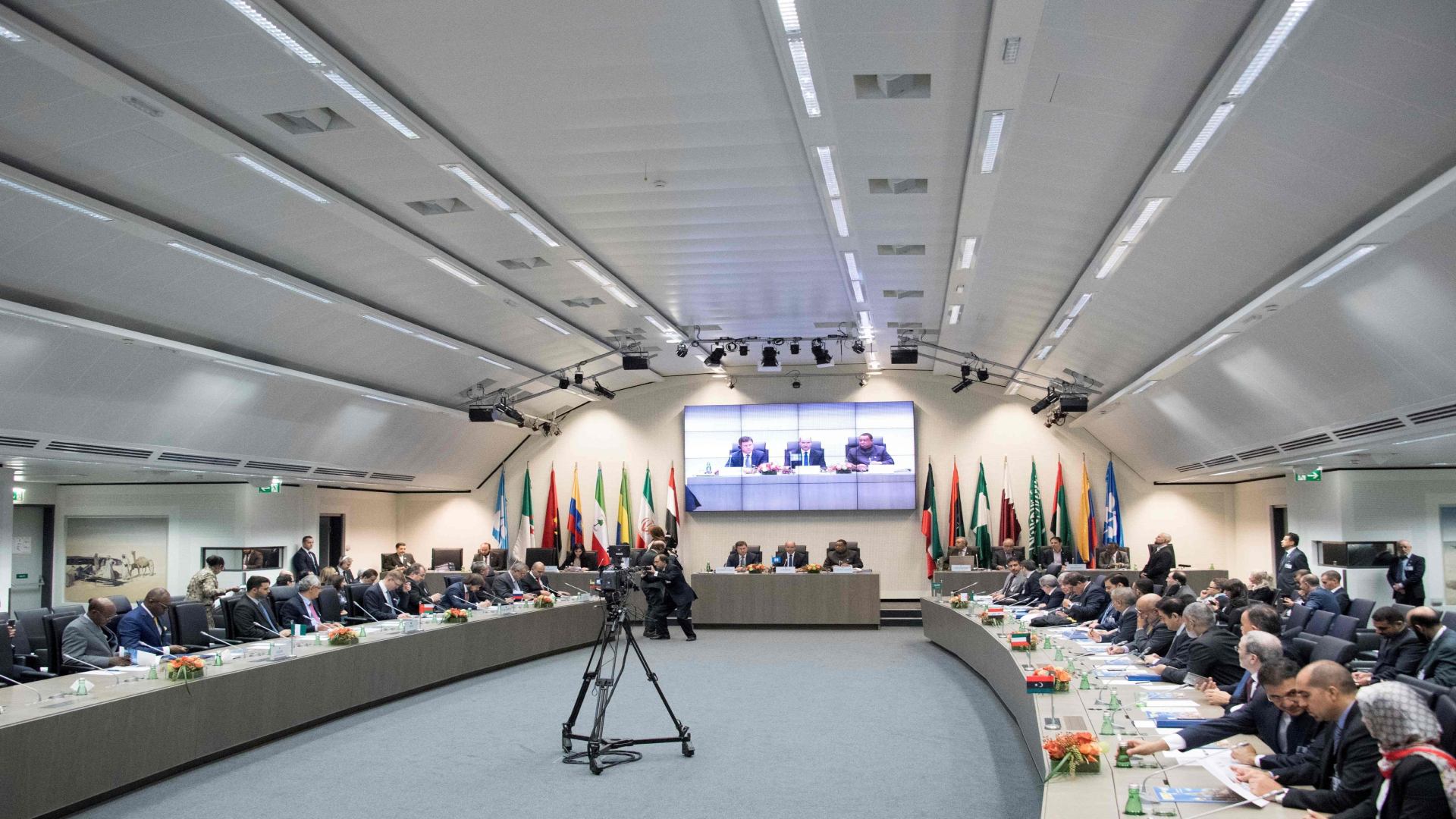
The United Arab Emirates (UAE) has announced it will leave the Organization of the Petroleum Exporting Countries (OPEC) effective May 1, 2026, in a move that delivers a significant blow to the world’s most influential oil producers’ group and signals a shift in global energy power dynamics.
The decision comes at a moment of acute instability in global energy markets, driven largely by geopolitical tensions and supply disruptions in the Middle East. As one of OPEC’s largest producers, the UAE’s exit raises immediate questions about the cartel’s cohesion and its long-term ability to manage oil supply and prices.
OPEC, founded in 1960 to coordinate petroleum policies and stabilize markets, has historically relied on production quotas to control global oil output. The UAE, a member since 1967, has been central to that system. However, internal disagreements—particularly over production limits—and broader geopolitical strains have been building for years.
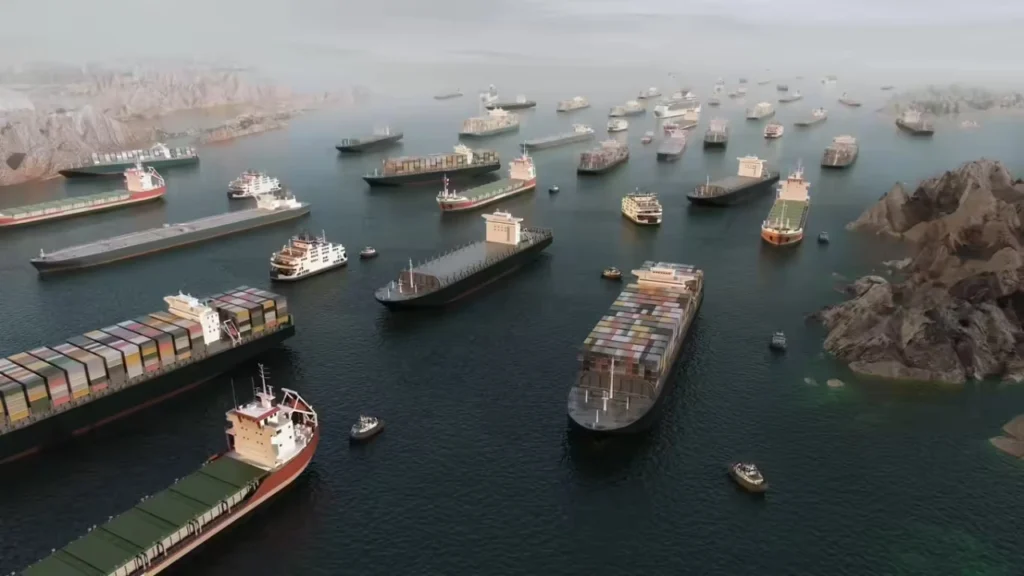
Those tensions have intensified amid the ongoing regional conflict involving Iran, which has disrupted shipping through the Strait of Hormuz, a critical artery for global oil trade. This disruption has amplified economic pressure on Gulf producers and exposed fractures within OPEC’s unified front.
At the core of the UAE’s decision is a strategic shift toward greater independence in energy policy. The country has made clear that leaving OPEC will allow it to pursue production levels aligned with its long-term economic goals rather than adhering to cartel-imposed quotas. Officials emphasized that the move reflects “national interest” and a broader effort to respond more flexibly to global market demands.
The implications are substantial. The UAE is currently the third-largest producer within OPEC, with a production capacity of nearly 4.9 million barrels per day, though its actual output has been constrained by quotas. By exiting, the country gains the ability to increase output independently—potentially adding supply to a market already under stress.
This comes as global oil prices remain elevated, with Brent crude hovering around $110 per barrel amid supply disruptions. At the same time, OPEC’s production has already been severely affected; output reportedly dropped 27% to 20.79 million barrels per day in March, marking one of the sharpest declines in decades due to the ongoing conflict.
Analysts warn that the UAE’s departure could weaken OPEC’s ability to act as a coordinated force in stabilizing markets. The group’s influence depends heavily on discipline among members, and the loss of a major producer undermines that structure. It may also embolden other countries to reconsider their membership, further fragmenting the alliance.
There are also geopolitical dimensions. The move highlights growing divergence between the UAE and Saudi Arabia, OPEC’s de facto leader, particularly over production strategy and regional influence. At the same time, the UAE appears to be positioning itself as a more flexible, globally integrated energy player, capable of responding quickly to shifting demand patterns and political realities.
In the near term, the impact on oil prices may be muted due to ongoing supply constraints from regional conflict. However, over the longer term, increased UAE production could introduce greater volatility—either by easing supply shortages or triggering competitive output increases from other producers.
Looking ahead, the UAE’s exit marks a pivotal moment for global energy markets. It signals not only a weakening of OPEC’s traditional control but also a broader transition toward a more fragmented and competitive oil landscape. Whether this leads to greater market efficiency or heightened instability will depend on how other major producers respond—and whether OPEC can adapt to a world where its authority is no longer assured.