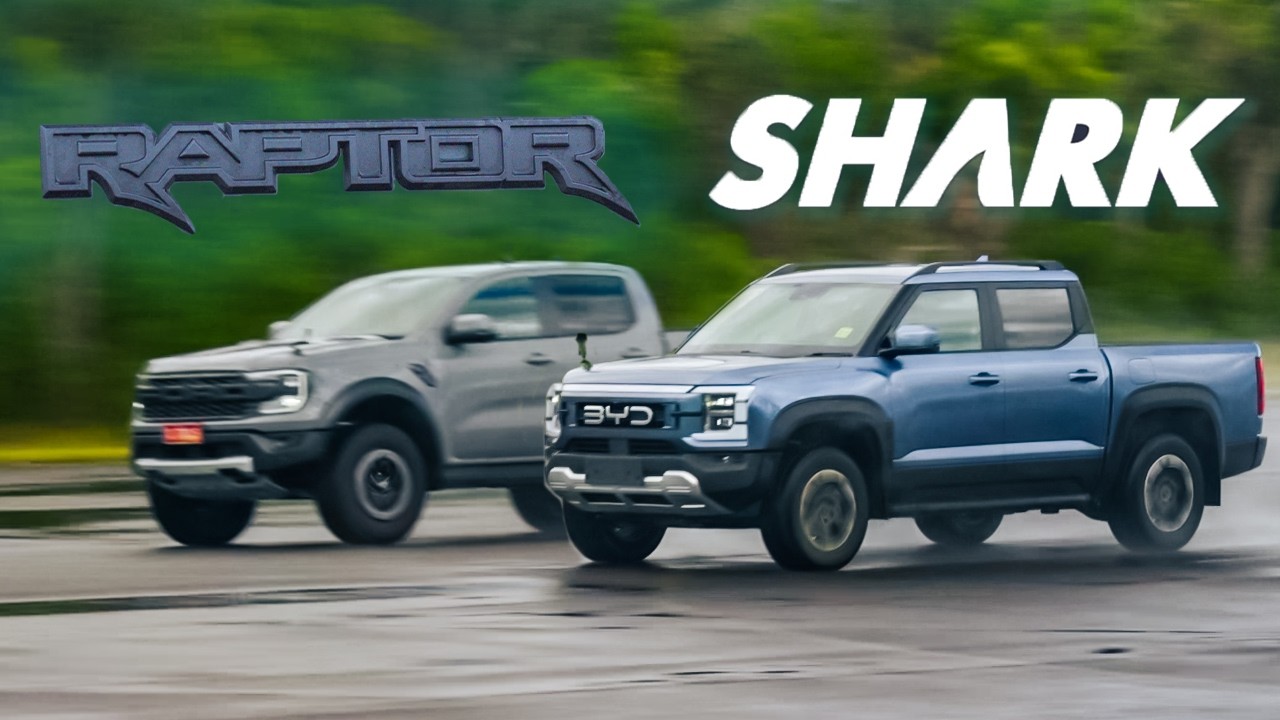
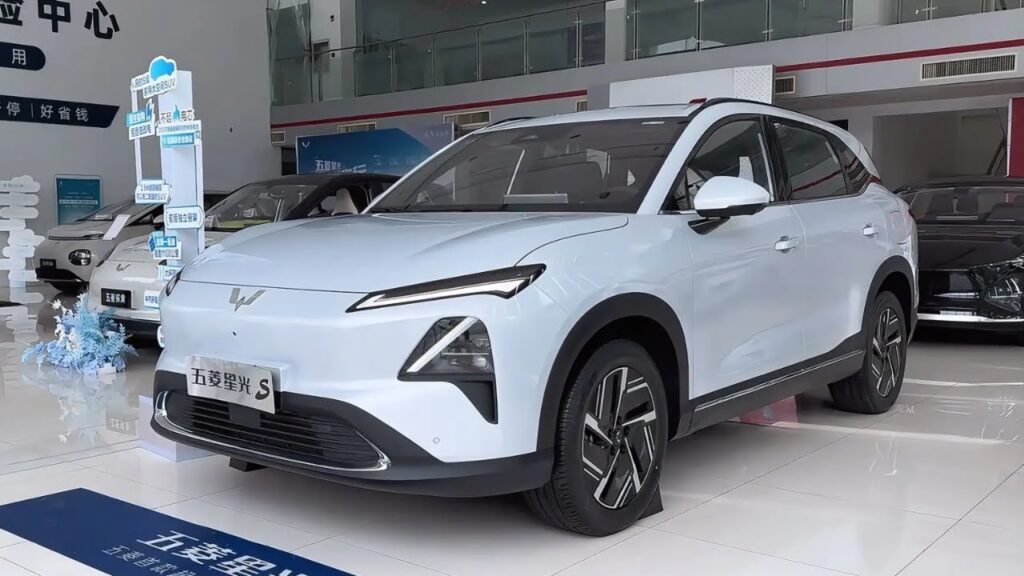
The average new car in the U.S. cost about $51,456 in March 2026, while several of China’s best-selling electric vehicles are priced below $12,000 each. This means a consumer could theoretically purchase five Chinese EVs, such as budget models from BYD or Wuling, for the price of a single American vehicle.
The disparity has been building for years. In the U.S., consumers increasingly favor larger vehicles like SUVs and trucks, which pushes average transaction prices higher. Industry data shows that most American EV buyers still pay between $35,000 and $55,000, with averages often exceeding $55,000 due to premium features and larger battery packs.
China’s cost advantage is rooted in manufacturing efficiency. Analysts estimate that Chinese EV production can be 20–40% cheaper than Western equivalents, driven by vertical integration and lower battery costs. This efficiency has enabled automakers to flood the domestic market with affordable options, including mini EVs priced as low as $6,500.
The implications are already visible globally. Chinese EV exports to Europe nearly doubled year-over-year to $20.6 billion in early 2026, contributing to a record trade imbalance and raising concerns among policymakers about industrial competitiveness. Governments in the European Union are now considering tariffs as high as 35% to shield local manufacturers.
However, these ultra-low-cost vehicles remain largely absent from the U.S. market. Regulatory barriers, safety standards, and trade policies limit their entry, effectively insulating American automakers from direct price competition—for now. That insulation may not hold indefinitely.
Industry experts note that even within China, the market spans a wide range. While ultra-cheap EVs dominate headlines, the average price of a new energy vehicle in China is closer to $27,260, indicating a rapidly maturing market with both budget and mid-range offerings. Still, the availability of extremely low-cost models continues to anchor consumer expectations at a much lower baseline than in the U.S.
The broader consequence is a growing “price expectation gap.” As global consumers become aware of cheaper alternatives, pressure is mounting on Western automakers to cut costs, rethink vehicle size, and accelerate innovation. At the same time, companies like CATL, China’s leading battery supplier with over 38% global market share, are scaling production and expanding internationally.
Looking ahead, the central question is whether this pricing divide will narrow or deepen. If Chinese EVs gain wider access to Western markets, they could disrupt pricing structures and force a significant reset across the industry. If not, the world may continue to operate with two parallel auto economies, one built around affordability and scale, the other around size, performance, and higher margins.