Procter & Gamble has warned that surging oil prices could cut roughly $1 billion from its fiscal 2027 profits, highlighting how geopolitical shocks are now directly hitting even the most resilient consumer goods companies. The scale of the projected hit places the company among the hardest affected outside of oil-dependent sectors like airlines.
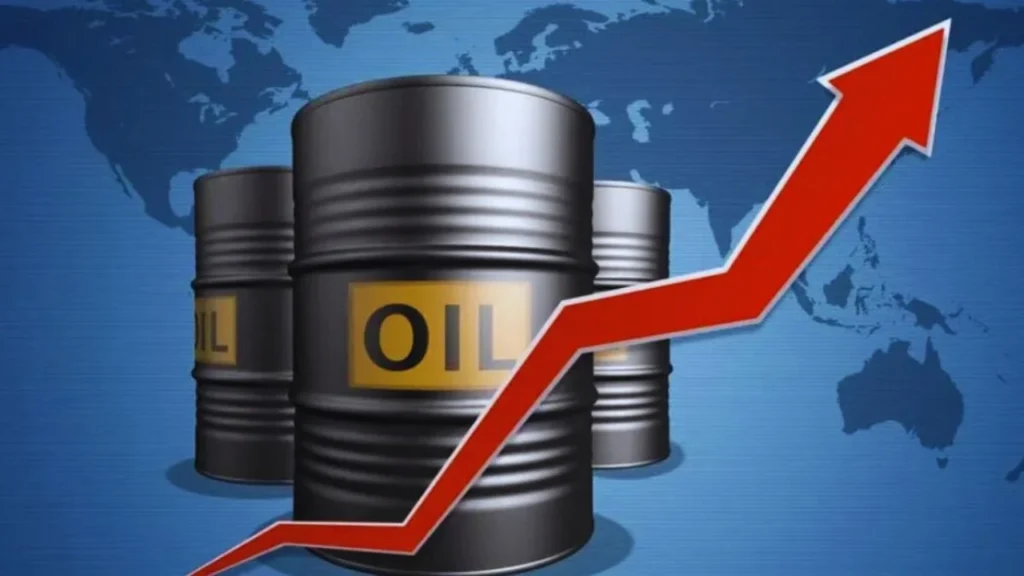
The warning comes as crude oil prices have climbed sharply—from about $60 per barrel before the latest Middle East conflict to nearly $100—driving up costs across manufacturing, packaging, and logistics.
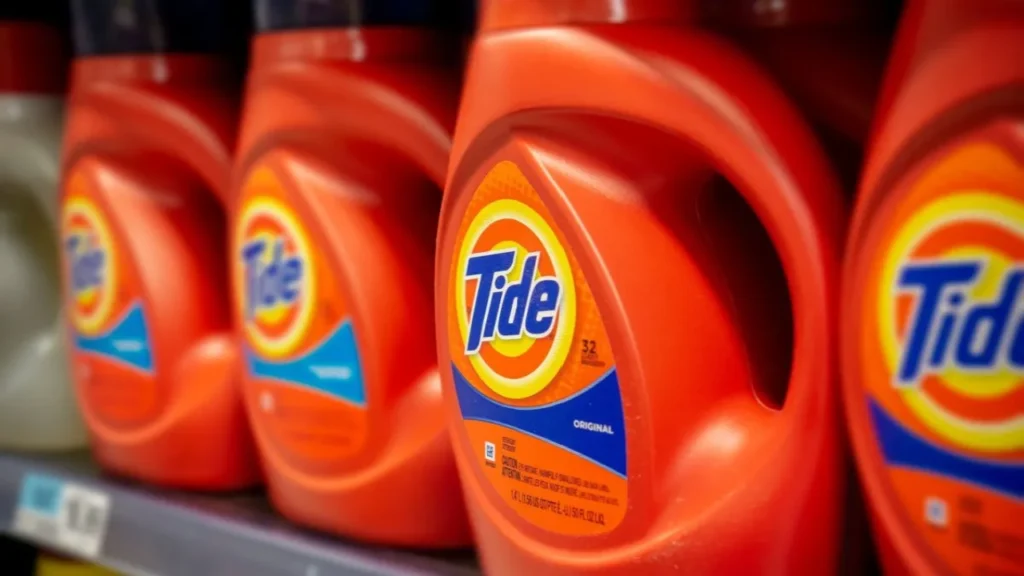
In simple terms, the company behind everyday essentials like Tide and Pampers is facing a cost shock that is difficult to avoid—and even harder to fully pass on to consumers.
Rising commodity prices have long been a challenge for global consumer goods firms, but the current surge is tied directly to geopolitical disruption. The conflict affecting oil supply routes, including pressure on the Strait of Hormuz, has created ripple effects across global supply chains.
Because many of Procter & Gamble’s inputs—such as plastics, chemicals, and packaging materials—are petroleum-based, higher oil prices quickly translate into higher production costs. As the company’s finance chief noted, “a lot of our materials are petrol-based,” making the business structurally exposed to energy markets.
This is not an isolated issue. Competitors like Nestlé and Beiersdorf have also flagged rising costs and potential price increases, signaling a broader industry-wide pressure.
The projected $1 billion hit is significant not just in absolute terms but in what it reveals about the fragility of global supply chains. For Procter & Gamble, the impact comes from three main areas:
- Raw materials: Oil-linked inputs such as plastics and chemicals
- Packaging: Paper and synthetic materials tied to energy costs
- Transportation: Higher fuel prices raising logistics expenses
The company already reported a $150 million cost impact in a single quarter due to commodity inflation and supply disruptions, suggesting that pressures are accelerating rather than stabilizing.
Despite these headwinds, P&G’s business performance remains relatively strong. Quarterly sales rose 7% year-over-year to $21.24 billion, beating expectations, while earnings per share also exceeded forecasts.
However, there are warning signs beneath the surface. Gross margins have declined for six consecutive quarters, partly due to rising costs and continued investment in product innovation.
Analysts point out a critical limitation: the company cannot rely indefinitely on price increases to offset costs. As one strategist noted, consumers—especially lower-income households—are already under pressure from inflation, making further price hikes risky.
This development underscores a broader economic reality: oil prices influence far more than energy companies. As one market strategist put it, “oil is ubiquitous and high oil prices seep into everything.”
For investors, the warning signals potential margin compression across the consumer goods sector. For consumers, it raises the likelihood of higher prices or reduced product sizes (a trend already seen in recent years).
More importantly, it shows how geopolitical instability is now directly shaping corporate earnings forecasts—even years in advance.
Looking ahead, Procter & Gamble’s ability to manage this cost pressure will depend on a mix of pricing strategy, supply chain adjustments, and continued product innovation. The company has indicated it is “well-placed” to navigate the challenges, but the scale of the projected hit suggests limited room for error.
If oil prices remain elevated or rise further, more companies are likely to issue similar warnings, potentially triggering broader price increases across everyday consumer goods. For now, P&G’s forecast serves as an early indicator of how deeply energy markets are reshaping the global business landscape.