
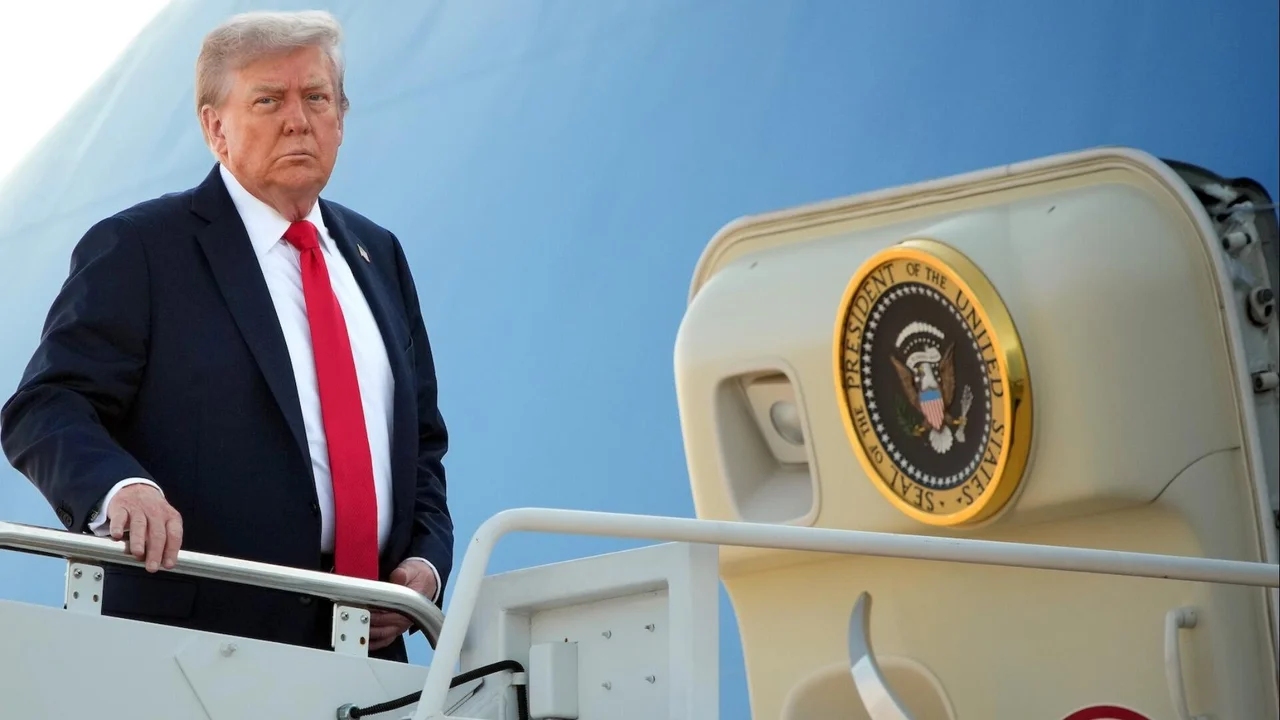
President Donald Trump said China has agreed to buy 200 Boeing aircraft, with the order potentially expanding to as many as 750 jets, a deal that could become one of the largest commercial aviation agreements in history if fully completed. The announcement came after Trump’s summit with Chinese President Xi Jinping in Beijing and marks Boeing’s first major Chinese order in nearly a decade.
Trump told reporters aboard Air Force One that the initial agreement includes “approximately 200 planes and a promise of up to 750 if they do a good job.” He also said the aircraft would be powered by engines from GE Aerospace, creating additional gains for the American manufacturing sector. However, neither Boeing nor Chinese officials immediately confirmed the details of the agreement.
The potential order is highly significant for Boeing, which has struggled to regain momentum in China following years of trade tensions between Washington and Beijing, as well as safety and production challenges surrounding the 737 MAX program.
China is the world’s second-largest aviation market and is projected to account for roughly 20% of global aircraft demand over the next two decades. Yet Boeing has largely been shut out of major Chinese orders in recent years while European rival Airbus strengthened its position in the market.
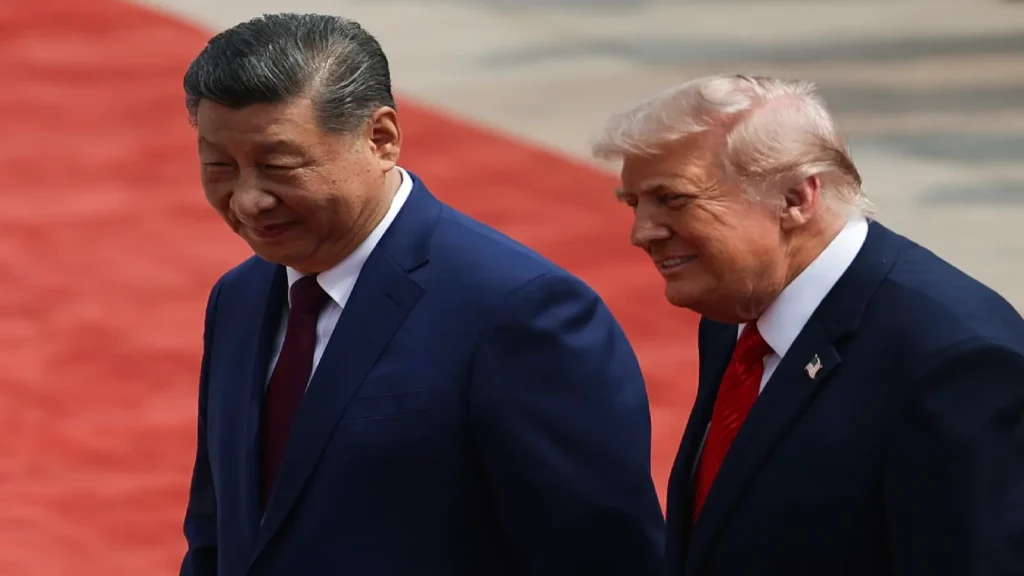
Industry analysts estimate the current 200-plane commitment could be worth between $17 billion and $19 billion, depending on the aircraft mix. If expanded toward 750 planes, the total value could rise substantially higher and potentially surpass previous aviation sales records. Reuters reported that an order exceeding 500 aircraft would eclipse IndiGo’s historic 500-plane Airbus agreement.
Despite the headline-grabbing announcement, financial markets reacted cautiously. Boeing shares fell nearly 4% after Trump first disclosed the planned purchase, largely because investors had expected a larger immediate commitment of around 500 aircraft. Analysts also noted that major aircraft transactions involving China often take months to finalize and include political signaling as much as commercial intent.
The announcement also comes after a difficult period in U.S.-China aerospace relations. Earlier in 2025, reports emerged that China had temporarily halted Boeing deliveries amid escalating tariff disputes between the two countries. Boeing’s presence in China has weakened sharply since 2018, when nearly a quarter of the company’s global output was delivered to Chinese customers.
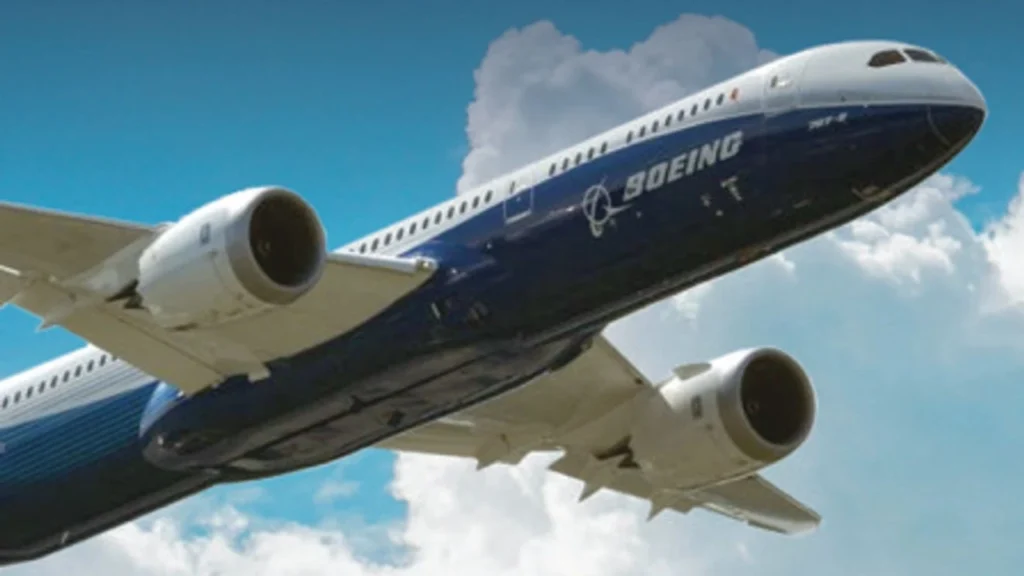
Trump framed the proposed aircraft purchase as evidence that his administration’s trade negotiations with Beijing are producing tangible results for U.S. manufacturers. The White House has indicated that additional commercial agreements could be announced when Xi is expected to visit Washington later this year.
For Boeing, A confirmed large-scale Chinese order would provide years of production visibility, strengthen its recovery after multiple crises, and help restore confidence among investors and airline customers. At the same time, the lack of formal confirmation from Beijing or Boeing means questions remain about how quickly the agreement could move from political announcement to binding contracts.