Rising fuel prices are becoming a major political and economic challenge for the White House as the war involving Iran drags on with no clear resolution in sight. Officials inside the Trump administration are now scrambling to find ways to ease pressure on American consumers after gasoline prices surged above $4.50 per gallon nationwide, threatening inflation, consumer confidence.
White House officials are urgently considering several emergency measures, including suspending federal gasoline tax, expanding oil releases from the Strategic Petroleum Reserve, and extending regulatory waivers designed to improve fuel transportation across the United States. The administration reportedly believes it needs “a visible consumer relief move now” as frustration grows over the cost of living.
The crisis is closely tied to disruptions in global oil supply caused by the ongoing conflict around Iran and instability in the Strait of Hormuz, one of the world’s most critical energy shipping routes. Analysts estimate that roughly one-fifth of global seaborne oil passes through the strait, making any disruption there immediately significant for global energy markets. Oil prices have climbed sharply since the conflict.
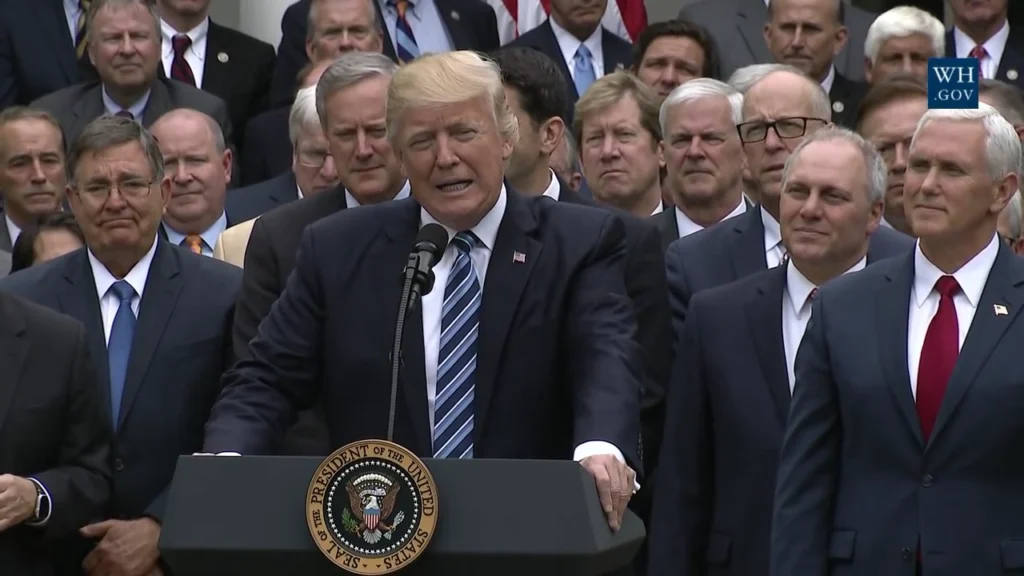
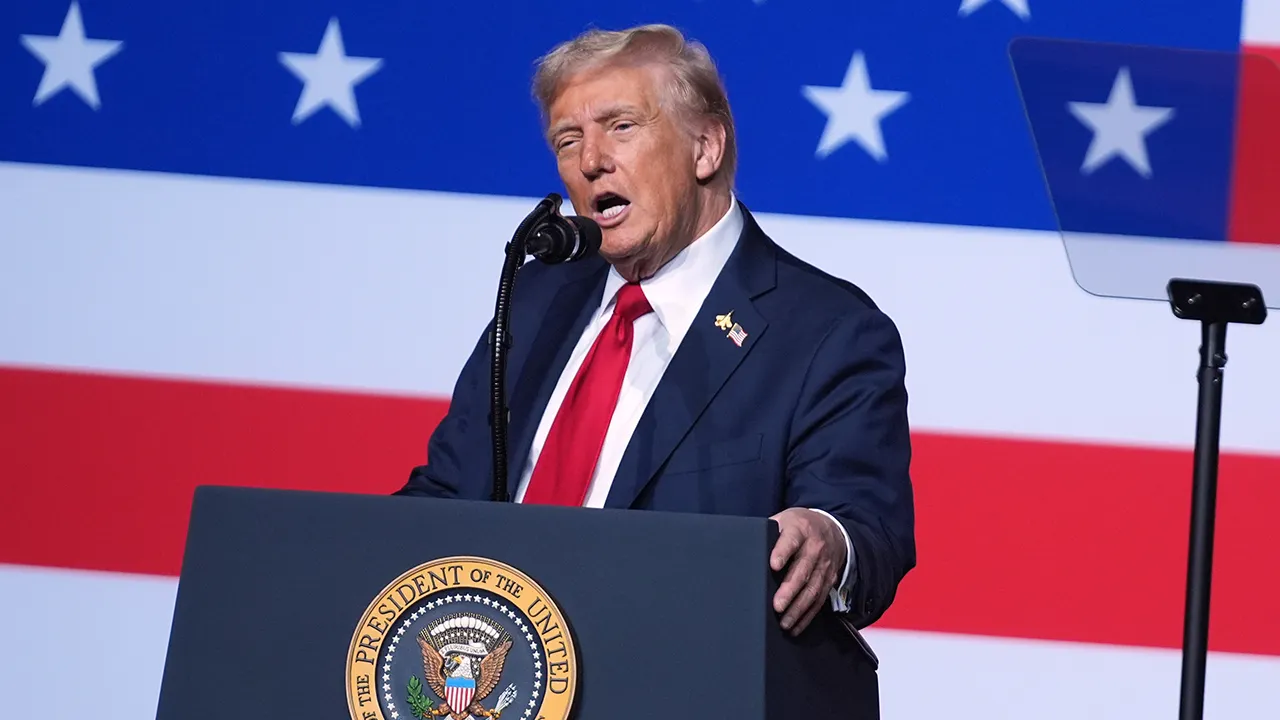
One of the administration’s most visible proposals is a temporary suspension of the federal gasoline tax, which currently adds 18.4 cents per gallon to fuel prices. President Donald Trump publicly endorsed the measure this week, arguing it could provide quick relief to households struggling with rising fuel costs.
However, economists and transportation experts remain divided on whether the move would meaningfully reduce prices for consumers or simply weaken funding for federal highway and infrastructure programs.
The economic pressure is already showing up in broader inflation data. U.S. inflation reportedly climbed to 3.8% in April 2026, the highest annual rate in nearly three years, with energy prices serving as the primary driver. Gasoline prices alone rose 5.4% in April and are nearly 30% higher than a year ago, according to reporting from The Washington Post.
To stabilize markets, the Department of Energy has also announced loans totaling 53.3 million barrels of crude oil from the Strategic Petroleum Reserve to major energy companies, including Exxon Mobil. The move forms part of a broader international effort coordinated with members of the International Energy Agency, which collectively plans to release hundreds of millions of barrels into global markets.
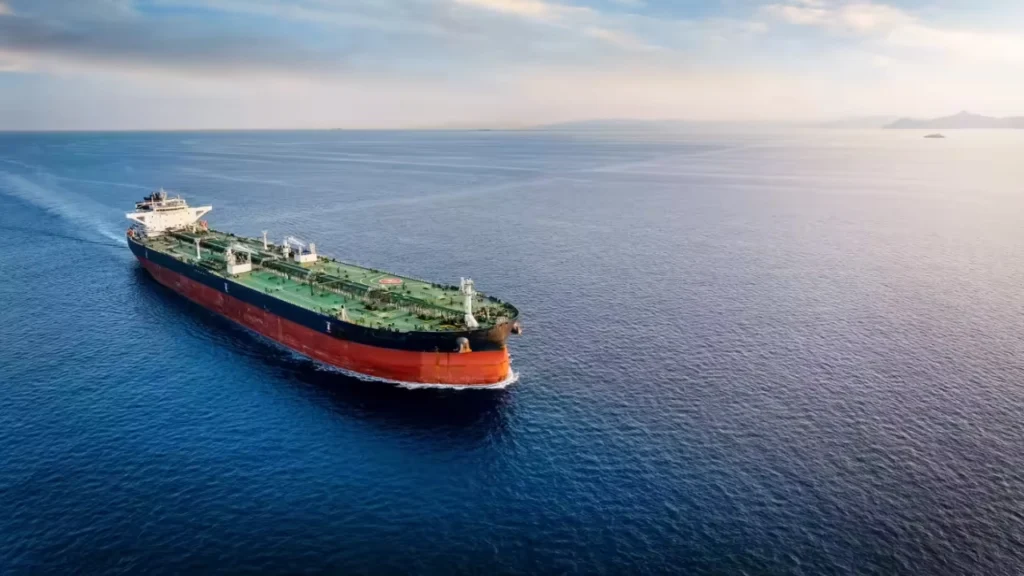
The administration has additionally expanded temporary waivers of the Jones Act, allowing foreign vessels to transport fuel between U.S. ports more easily. Officials argue the waiver could improve fuel distribution and reduce regional shortages caused by shipping disruptions linked to the conflict.
Despite these efforts, analysts warn the White House has limited tools available if oil markets remain unstable. Energy economists note that presidents have only modest influence over global oil prices during geopolitical crises, especially when supply routes remain threatened. Several political advisers quoted in reports that gasoline prices have become one of the administration’s greatest vulnerabilities.
The next few weeks could prove critical. If tensions around Iran continue and the Strait of Hormuz remains unstable, oil prices may stay elevated throughout the summer driving season, increasing pressure on inflation and consumer spending. A diplomatic breakthrough or easing of shipping disruptions could quickly stabilize markets.