The United States has imposed a new round of sanctions on companies and individuals in China, Hong Kong, and the Middle East accused of helping obtain materials and technology for its weapons programs, marking another escalation in Washington’s campaign to isolate Tehran’s military supply chains.
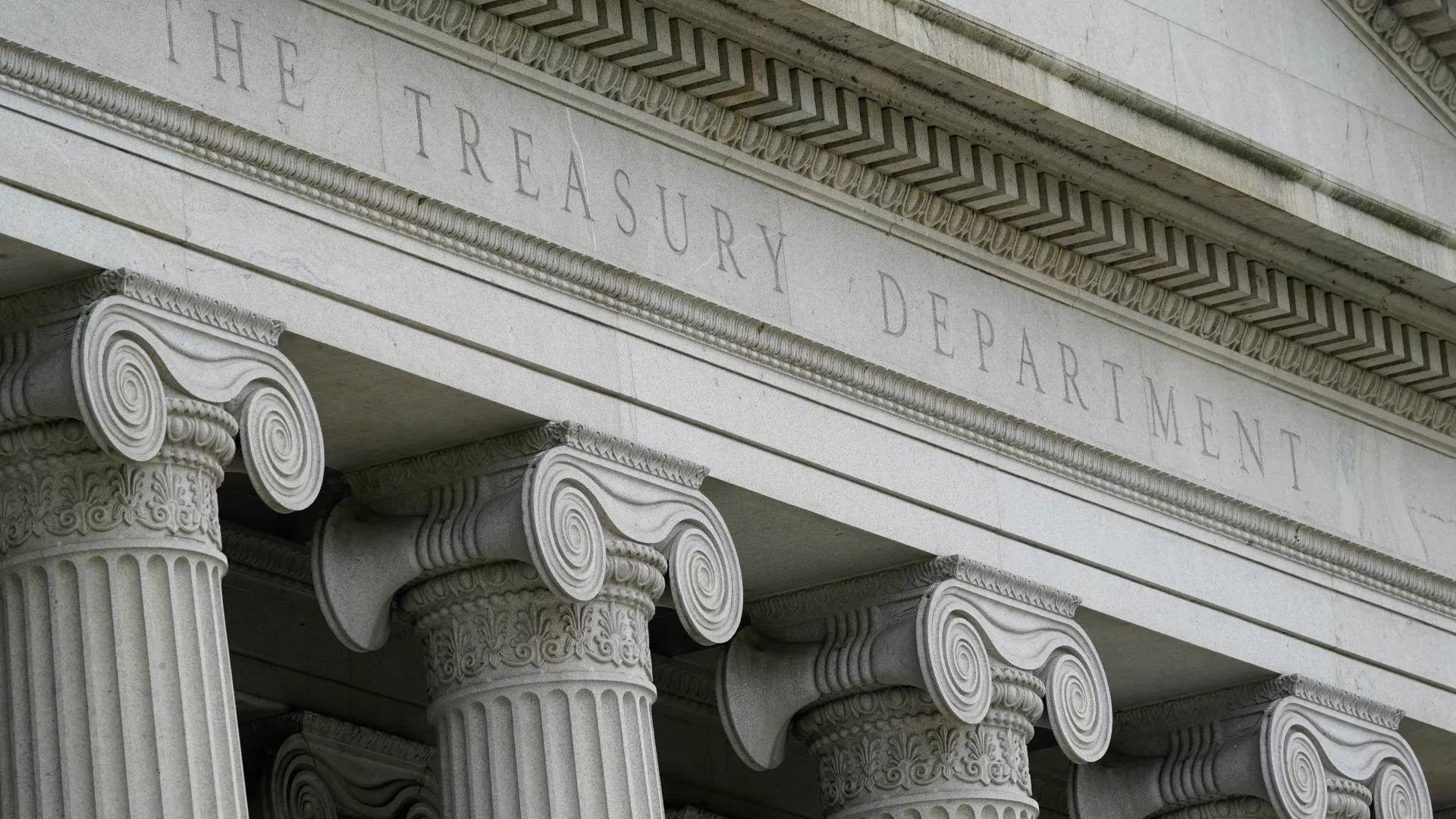
According to the Treasury Department, the measures affect 10 individuals and companies that allegedly helped Iran secure aerospace-grade materials, weapons components, and satellite-related support tied to the Islamic Revolutionary Guard Corps (IRGC). U.S. officials said several of the entities were based in China and Hong Kong, while others operated through regional business hubs in the Middle East.
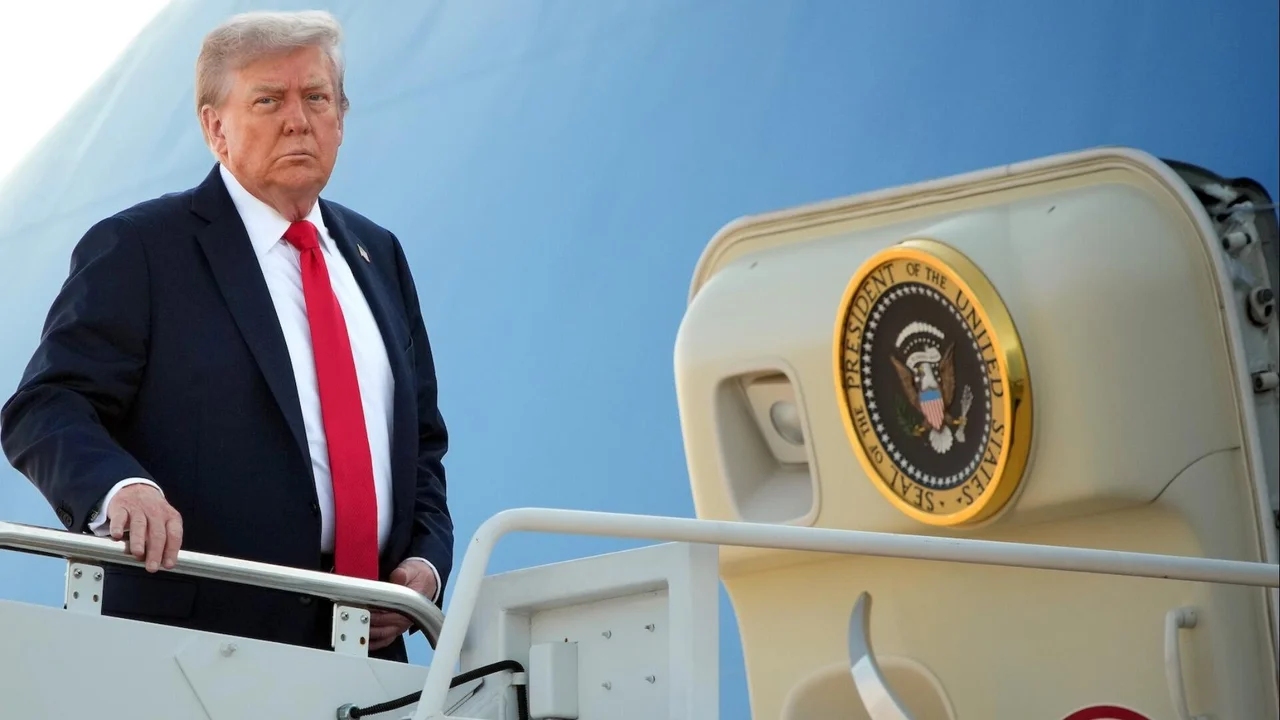
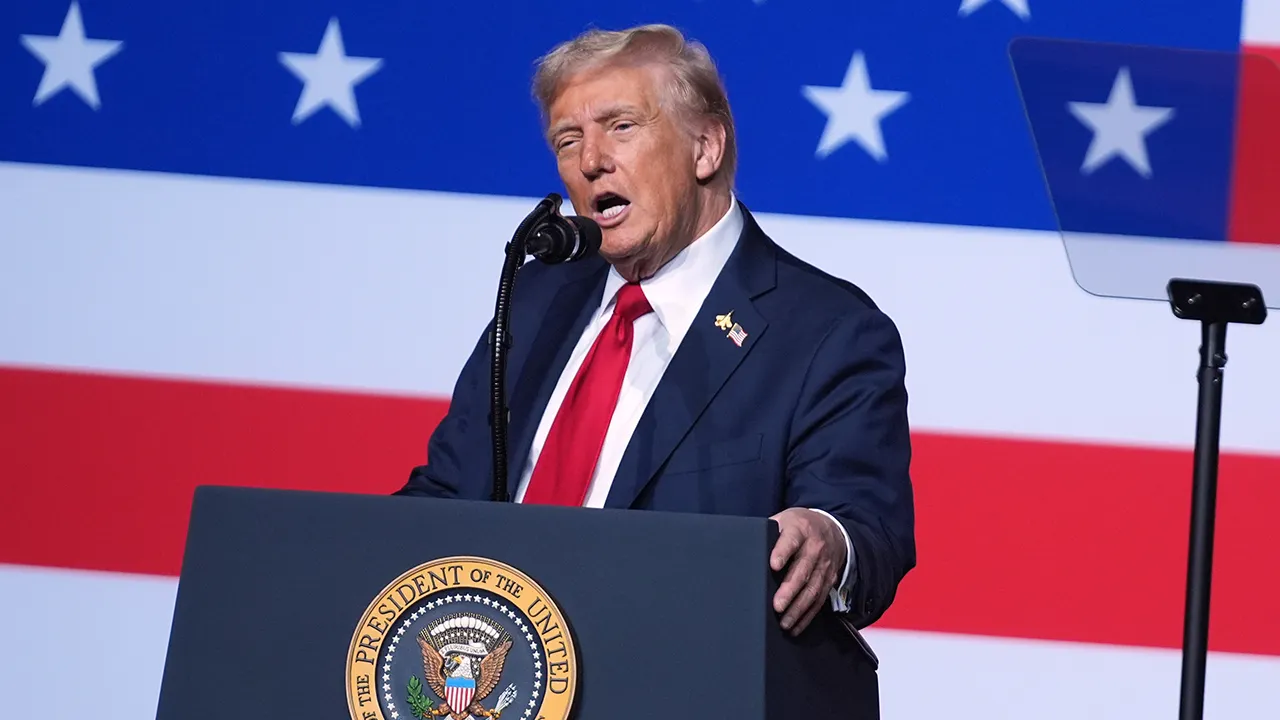
Treasury Secretary Scott Bessent said the United States would continue targeting foreign firms that support Iran’s military capabilities. “Under President Trump’s decisive leadership, we will continue to act to Keep America Safe and target foreign individuals and companies providing Iran’s military with weapons for use against U.S. forces,” Bessent said in a statement.
The sanctions come at a sensitive geopolitical moment. President Donald Trump is expected to travel to China soon for talks with Chinese President Xi Jinping, while tensions remain high across the Middle East after months of conflict involving Iran, Israel, and U.S. Reported that the latest sanctions were announced as diplomatic efforts to stabilize the region and reduce military escalation have stalled.
Washington has increasingly focused on China’s role in Iran’s economy and defense supply network. U.S. officials argue that Chinese firms, including independent “teapot” oil refineries and satellite companies, have helped Tehran bypass sanctions and maintain revenue streams that support military production.
In April, the Treasury Department sanctioned China-based Hengli Petrochemical, describing it as one of Iran’s largest customers for crude oil and petroleum products. Treasury officials said the refinery had purchased “billions of dollars” worth of Iranian oil.
The Biden-era sanctions framework has now evolved into a broader Trump administration strategy branded “Economic Fury,” which aims to pressure Iran through financial restrictions, shipping controls, and penalties on third-country facilitators. Since February 2025, the Treasury Department says it has sanctioned more than 1,000 Iran-related individuals, vessels, aircraft, and entities.
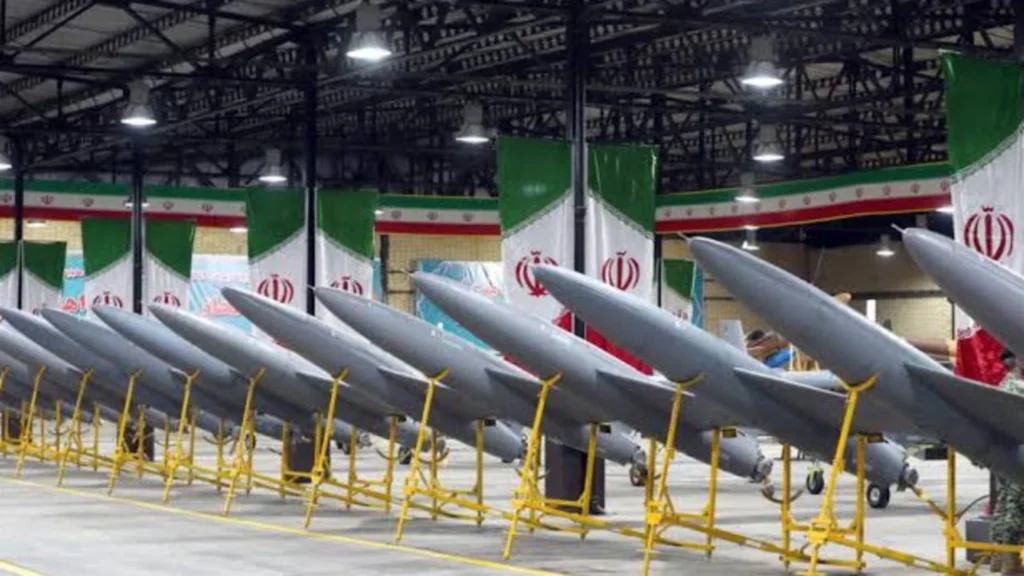
Another major concern for Washington is Iran’s expanding drone capability. U.S. officials and analysts estimate that Iran has significantly increased production of Shahed-series drones, which have been used in conflicts across the Middle East and beyond. Reported that Iran may now have the capacity to produce as many as 10,000 drones per month, highlighting the scale of its growing military-industrial base.
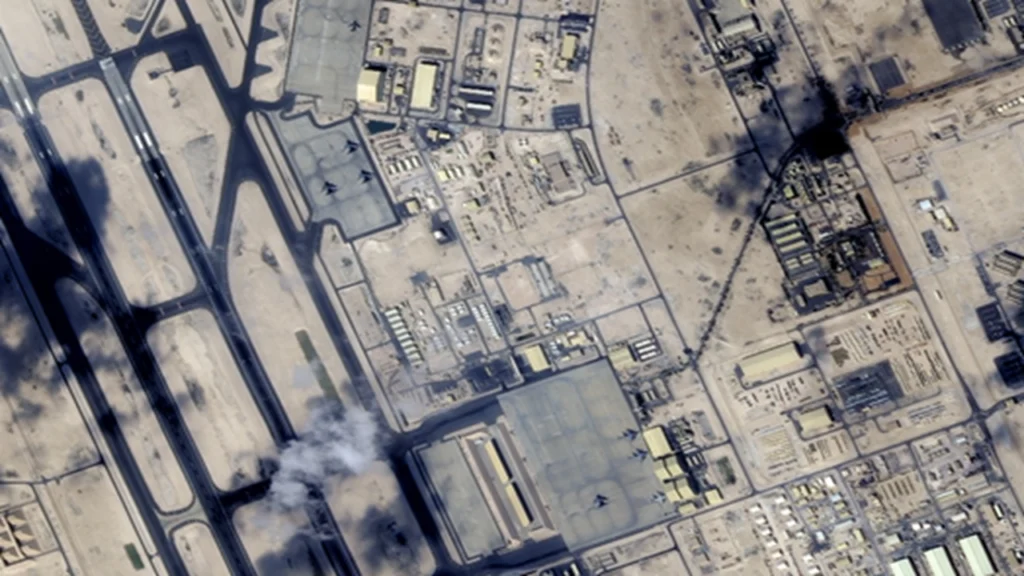
The sanctions also reflect rising alarm over China’s commercial satellite sector. The U.S. State Department recently imposed penalties on three Chinese satellite imagery companies accused of helping Iran identify U.S. and allied military sites in the Middle East. American officials claim the satellite data was used to support Iranian military operations and targeting decisions.
Despite the aggressive measures, analysts question how effective sanctions alone can be in stopping Iran’s procurement networks. China has repeatedly criticized U.S. sanctions and has encouraged domestic firms to resist external pressure. Still, the latest moves show Washington is willing to expand secondary sanctions and target foreign financial institutions or companies that continue facilitating Iranian trade.
The coming weeks will likely determine whether the sanctions remain largely symbolic pressure tools or become part of a broader economic confrontation involving Iran, China, and the U.S. Much will depend on whether Washington can persuade global firms and banks to distance themselves from Tehran’s defense-linked industries without triggering wider disruptions in energy markets and global trade.