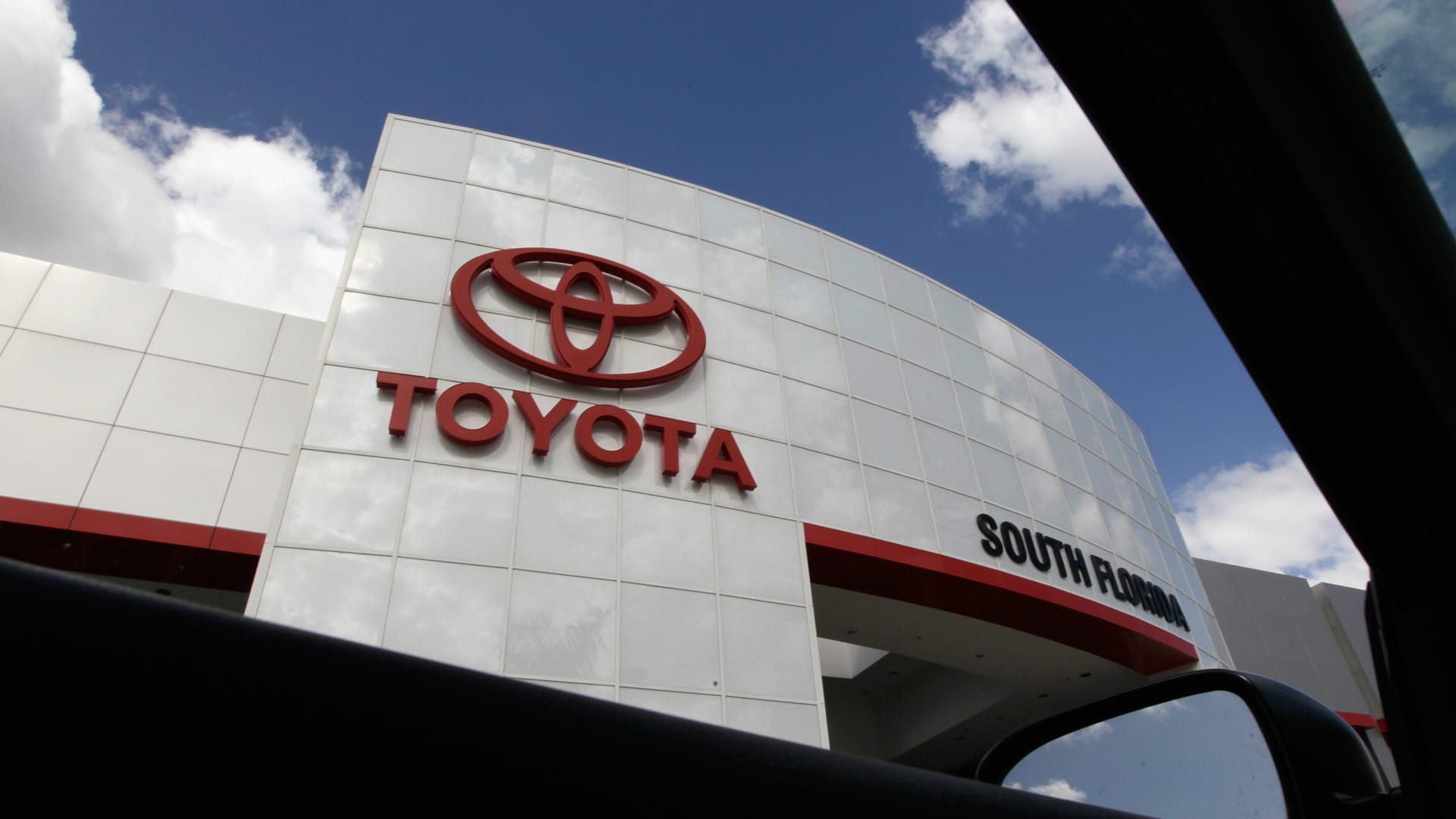
Toyota Motor Corporation has warned that the ongoing Iran war could wipe roughly $4.3 billion from its earnings this fiscal year, making it one of the clearest signs yet that the conflict is spreading beyond energy markets and into global manufacturing.
The world’s largest automaker said rising raw-material costs, supply-chain disruptions, and weakening sales in the Middle East are expected to sharply reduce profitability over the next 12 months.
The warning came as Toyota reported a steep decline in quarterly performance. Operating profit for the latest quarter fell to 569.4 billion yen from 1.1 trillion yen a year earlier, marking the company’s weakest quarterly result in more than three years. Toyota now forecasts full-year operating profit of about 3 trillion yen, well below analyst expectations and nearly 20% lower than the previous year.
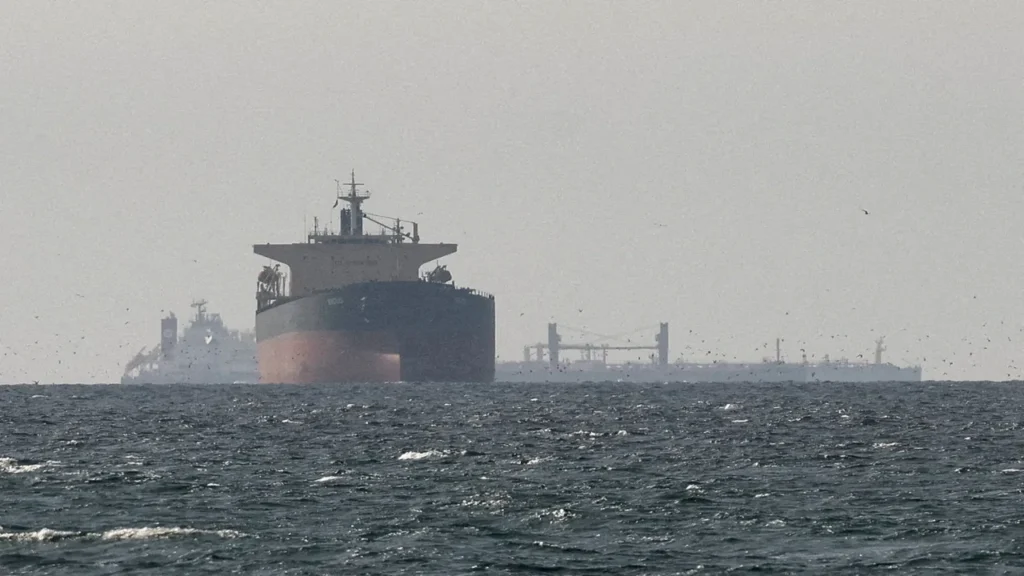
The main pressure point is the global supply chain tied to oil and petrochemicals. Since the outbreak of the Iran conflict and disruption around the Strait of Hormuz, prices for aluminum, plastics, rubber, and petroleum-derived materials have surged. Toyota estimated that material costs alone increased by around 400 billion yen, while weaker sales and delivery delays added another major financial burden.
Executives across Toyota’s supplier network have also warned that shortages of key industrial materials are becoming harder to manage. Suppliers including Denso, Aisin, and Toyoda Gosei said rising costs for naphtha-derived products and industrial solvents could eventually disrupt production lines.
One of the biggest concerns involves automotive paint thinner, a petroleum-based chemical essential for vehicle manufacturing. “If automakers can’t paint, then naturally they can’t build cars,” Toyoda Gosei CEO Katsumi Saito said in comments reported by Reuters.
The crisis highlights how vulnerable global automakers remain to geopolitical shocks tied to energy markets. Asia is exposed because many manufacturers depend heavily on Gulf energy imports and shipping routes through the Strait of Hormuz. Analysts say even companies with diversified production networks are struggling to offset higher transportation costs and unpredictable supply availability.
Toyota’s difficulties are also being compounded by existing trade pressures. The company continues to face heavy costs linked to U.S. tariffs on imported vehicles and parts, a burden estimated at more than 1.3 trillion yen annually. Combined with the Iran conflict, these pressures are creating one of the most difficult operating environments the company has faced since the pandemic-era supply chain crisis.
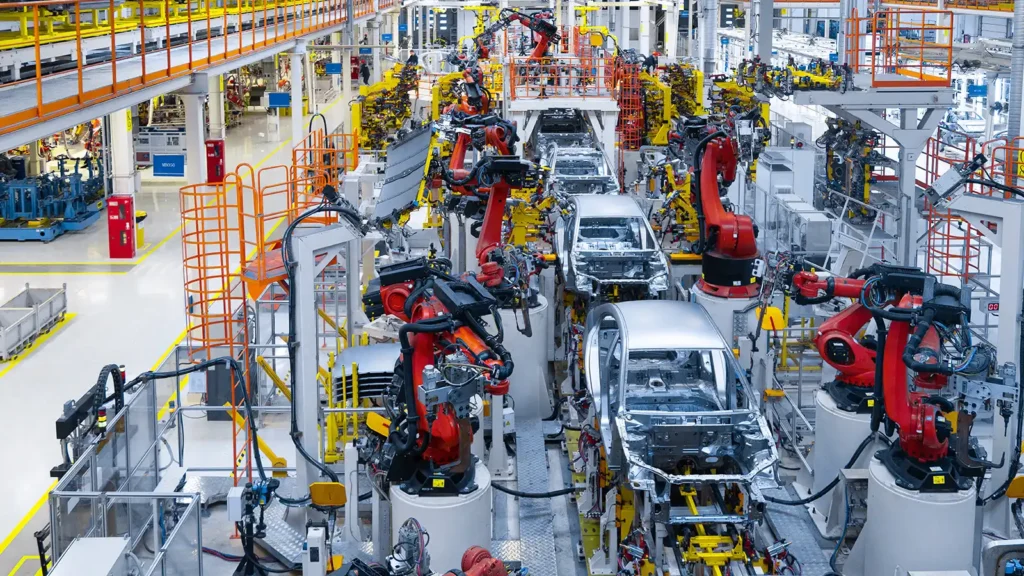
Despite the downturn, Toyota still recorded strong hybrid demand globally. The company sold approximately 9.6 million vehicles last year, with hybrids accounting for nearly half of total sales. North American demand remained relatively resilient, helping cushion some of the losses from the Middle East.
However, executives acknowledged that strong hybrid sales alone are no longer enough to absorb escalating geopolitical and commodity-related costs.
Looking ahead, investors and industry analysts will closely watch whether the Iran conflict stabilizes or further disrupts global shipping and energy markets. If oil prices continue rising or supply shortages deepen, automakers worldwide could face additional production cuts and weaker earnings forecasts.