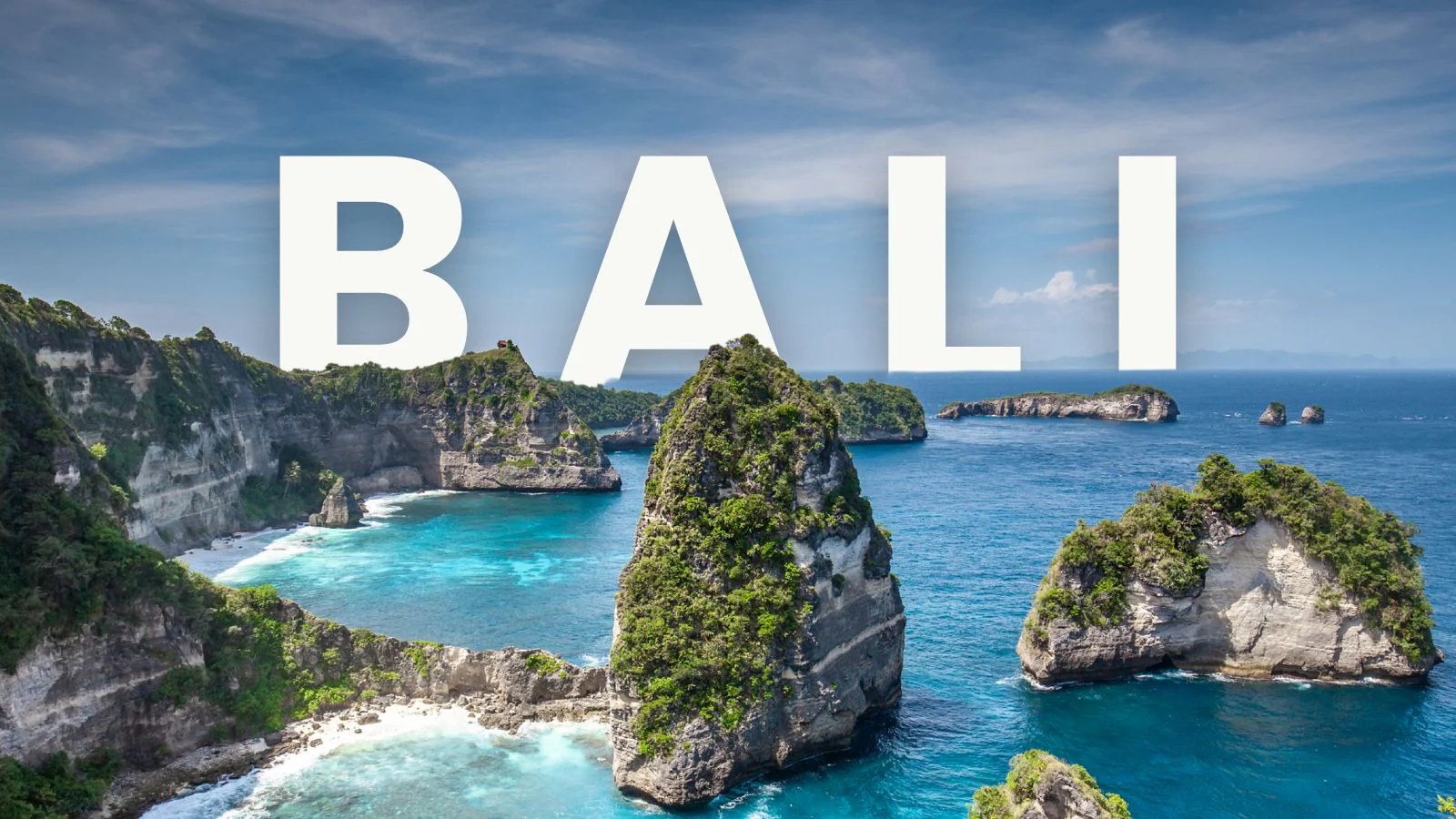
A bold economic experiment is taking shape in Bali, as the Indonesian government pushes to transform the tourist island into a global financial hub—an ambition that could reshape the country’s economic future but faces significant structural hurdles.
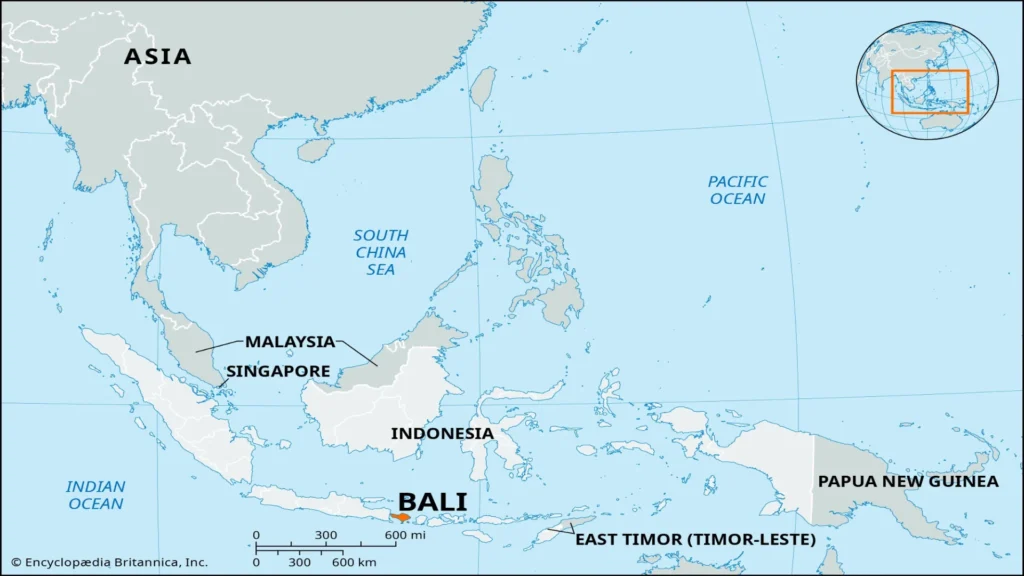
Officials have confirmed plans to establish an international financial center within the Kura Kura Special Economic Zone near Denpasar, with the goal of attracting global capital and diversifying Bali’s tourism-heavy economy. The initiative, backed by senior policymakers, is being positioned as a strategic move to boost Indonesia’s global competitiveness and capture international investment flows.
The push comes as Indonesia seeks to reduce its reliance on tourism, which has long dominated Bali’s economy. Authorities are developing regulatory frameworks, governance structures, and investor incentives to support the project, while also considering a dedicated financial authority to manage the zone.

At the core of the plan is the creation of an International Financial Center designed to rival established hubs like Singapore and Dubai. Coordinating Economic Minister Airlangga Hartarto has said the project is intended to strengthen the country’s economic positioning and attract foreign investors through a specialized ecosystem.
The government is also targeting substantial investment inflows, with estimates reaching around 104.4 trillion rupiah (approximately $6–7 billion) tied to the broader development of the financial zone.
Officials believe Bali’s global brand and relative geopolitical stability could make it attractive to investors seeking alternative financial centers.
However, the plan faces serious challenges. Experts point to gaps in infrastructure, legal frameworks, and financial market depth compared with established global hubs. Unlike Singapore or Hong Kong, Bali lacks a mature financial ecosystem, including deep capital markets, experienced regulatory institutions, and a large pool of financial talent.

There are also concerns about whether Bali’s identity as a leisure destination can align with the demands of a high-functioning financial center. While its international appeal is a strength, the island’s infrastructure—particularly transport, urban planning, and digital systems—may require significant upgrades to support global finance operations.
Still, the government is moving forward with a structured approach. Plans include integrating business districts with knowledge hubs, fostering innovation, and creating a regulatory environment tailored to global investors. A dedicated task force and investment authority are also being considered to oversee development and ensure coordination across sectors.
Geopolitical factors are also shaping the strategy. Indonesian leaders have highlighted the country’s relative stability as a potential advantage in attracting capital during times of global uncertainty, positioning Bali as a “safe haven” destination for international finance.
The stakes are high. If successful, the project could transform Bali into a dual-purpose hub—combining tourism with financial services—and elevate Indonesia’s role in the global economy. Failure, however, could expose the limits of replicating financial centers without the deep institutional and market foundations that underpin them.
Looking ahead, the outcome will depend on execution. Regulatory clarity, infrastructure investment, and global investor confidence will be critical in determining whether Bali can evolve beyond its image as a holiday island. For now, the vision is ambitious—but turning it into reality remains an open question.