Chinese artificial intelligence startup DeepSeek is preparing for its first-ever external fundraising round, and the numbers being discussed signal a dramatic shift in both its strategy and its global standing. The company could be valued at as much as $50 billion, according to multiple sources familiar with the negotiations, marking one of the largest initial funding rounds in the AI sector.
For a company that has historically rejected outside capital, this move represents a pivotal turning point. DeepSeek is now actively engaging with investors—including state-backed funds and major technology firms—as it seeks to scale its infrastructure and compete more aggressively in the global AI race.
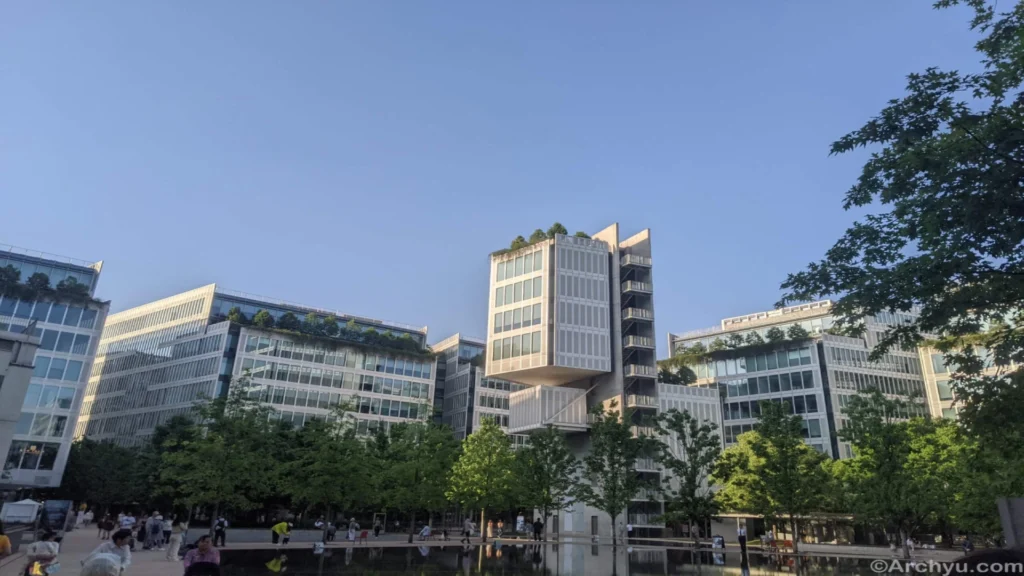
DeepSeek’s rise has been unusually rapid. Based in Hangzhou, the company gained international attention after releasing high-performance large language models that it claimed were developed at significantly lower cost than Western counterparts. This efficiency helped position it as a key player in China’s push for technological self-sufficiency, particularly in artificial intelligence.
Until recently, the company relied largely on internal funding tied to its parent hedge fund, High-Flyer Capital Management. That independence allowed DeepSeek to innovate without external pressure, but it also limited access to the massive capital now required to build advanced AI systems.
The current fundraising effort reflects a broader reality: developing cutting-edge AI models demands enormous investment in computing power, talent, and infrastructure. According to Reuters, DeepSeek is aiming to raise between $3 billion and $4 billion in this round, with funds expected to be used primarily for expanding computing capacity and improving employee compensation.
At the center of the talks is China’s National Artificial Intelligence Industry Investment Fund, a government-backed vehicle with roughly 60 billion yuan ($8.8 billion) in capital, which is expected to play a leading role in the investment. Major tech company Tencent has also been in discussions to participate, highlighting strong domestic interest in backing the startup.
The valuation itself has climbed sharply in a matter of weeks. Earlier reports suggested a range between $10 billion and $30 billion, but investor appetite and strategic importance have pushed expectations up to the $50 billion level. This rapid escalation underscores how central DeepSeek has become to China’s AI ambitions.
From a competitive standpoint, the fundraising positions DeepSeek alongside some of the most valuable AI firms globally. A valuation near $50 billion places it within striking distance of leading players developing large language models, intensifying competition not just within China but also against U.S.-based firms.

However, challenges remain. Despite strong performance claims and rapid development cycles, independent assessments suggest that DeepSeek’s latest models still trail the most advanced systems in certain benchmarks. At the same time, the company faces increasing competition from well-funded domestic rivals such as ByteDance and Alibaba, both of which are investing heavily in AI.
The strategic implications go beyond corporate competition. Beijing’s involvement signals that DeepSeek is being treated as a national champion, part of a broader effort to reduce reliance on foreign technology and build a self-sufficient AI ecosystem. This aligns with China’s long-term industrial policy, which prioritizes domestic innovation in critical technologies.
Looking ahead, the success of this fundraising round could redefine DeepSeek’s trajectory. Securing billions in fresh capital would allow the company to accelerate research, retain top talent, and scale infrastructure at a pace necessary to compete globally. At the same time, taking on external investors—particularly state-backed ones—may introduce new pressures around governance, performance, and strategic alignment.
If the deal closes near the reported valuation, it will not only cement DeepSeek’s status as a top-tier AI company but also signal a new phase in the global AI race—one where capital, national strategy, and technological innovation are more tightly intertwined than ever.