A sweeping shift in corporate governance is emerging as SpaceX prepares for its highly anticipated IPO, with filings showing that Elon Musk will retain near-total control while significantly limiting shareholder rights. The structure could redefine how public companies balance founder power and investor protections.
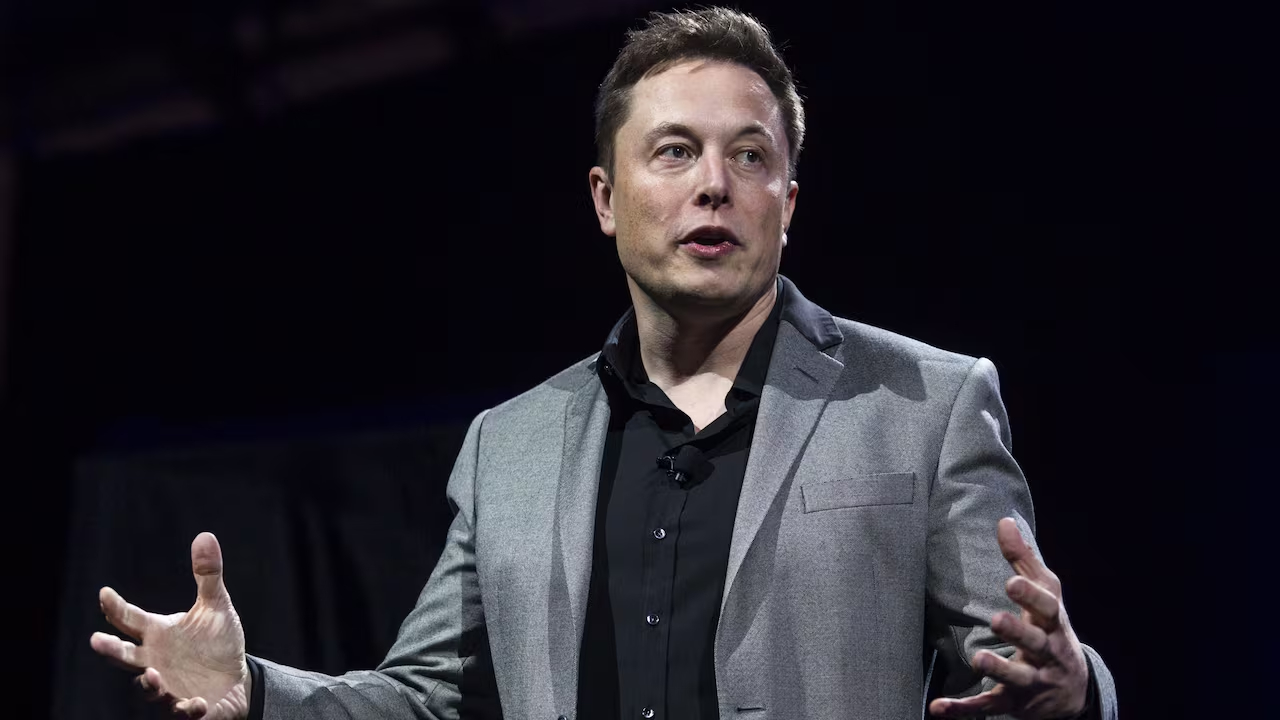
The IPO filing reveals that Musk will control roughly 83.8% of voting power through super voting shares, even after the company goes public. He will also continue serving simultaneously as CEO, CTO, and chairman, consolidating authority across all major leadership roles.
This level of control is reinforced by a dual-class share structure that gives insiders disproportionately high voting rights compared to public investors. In practical terms, Musk will be able to appoint or remove board members and cannot be removed from leadership without his own approval.
SpaceX’s governance model goes further by restricting shareholder influence in multiple ways.
Investors will face mandatory arbitration clauses, limited ability to file lawsuits, and strict thresholds for submitting governance proposals.
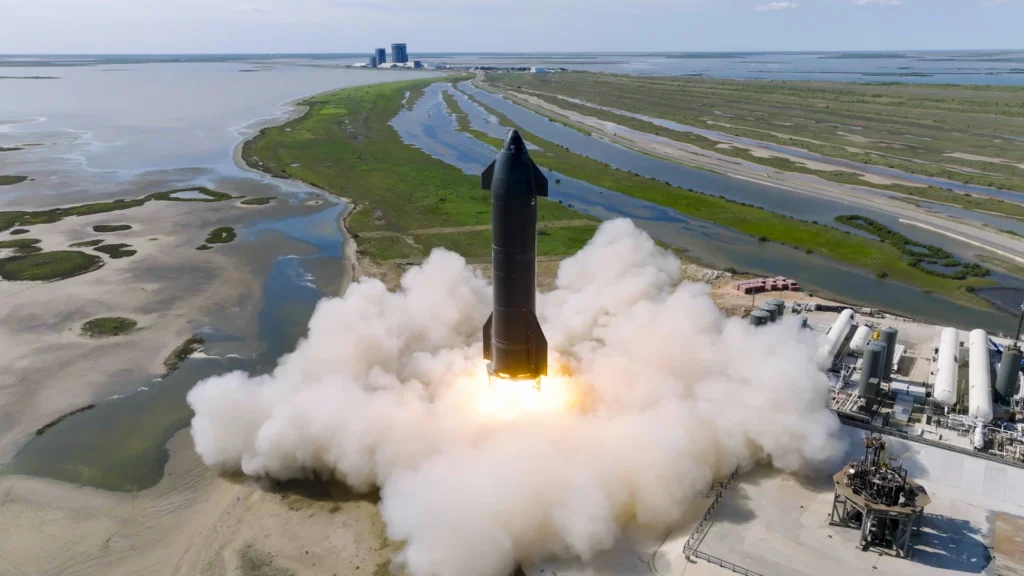
The move comes as SpaceX targets what could be the largest IPO in history, with a valuation around $1.75 trillion and potential proceeds of $75 billion. Despite governance concerns, investor demand remains strong, reflecting confidence in the company’s dominant position in launch services and satellite internet.
The backstory highlights a broader trend in Silicon Valley, where founders increasingly seek to retain control after going public. Companies like Google and Meta have used similar dual-class structures, but SpaceX’s model appears more restrictive than most. Its recent incorporation in Texas also leverages state laws that offer weaker shareholder protections.

Criticism is already building among institutional investors. A major investor group has urged the U.S. Securities and Exchange Commission to closely scrutinize the IPO, citing concerns over governance, transparency, and potential conflicts of interest. They also raised questions about financial disclosures and Musk’s overlapping business interests.
Supporters, however, argue that such control is necessary for long-term innovation. Musk has historically favored structures that allow him to pursue ambitious projects without interference, including Mars colonization and large-scale satellite networks. Backers believe this autonomy could accelerate decision-making in capital-intensive industries like aerospace.
The implications extend beyond SpaceX itself. If successful, this IPO could set a new precedent for founder-led companies seeking public capital without giving up control. It may also challenge traditional expectations around accountability and shareholder rights in public markets.

Looking ahead, regulators and investors will play a critical role in shaping how far this model can spread.
If demand remains strong despite governance concerns, other high-growth firms may adopt similar structures. That could mark a lasting shift in corporate power—away from shareholders and toward dominant founders.