Major global publishers have filed a sweeping lawsuit against Meta Platforms, accusing the tech giant of illegally using copyrighted books and academic materials to train its artificial intelligence systems—marking a significant escalation in the legal battle over how AI models are built.
The case, lodged in a Manhattan federal court, brings together major publishing houses including Elsevier, Cengage, Hachette, Macmillan, and McGraw Hill, alongside author Scott Turow. The plaintiffs allege that Meta copied and used “millions” of copyrighted works—including textbooks, scientific journals, and popular novels—without permission to train its Llama large language model.
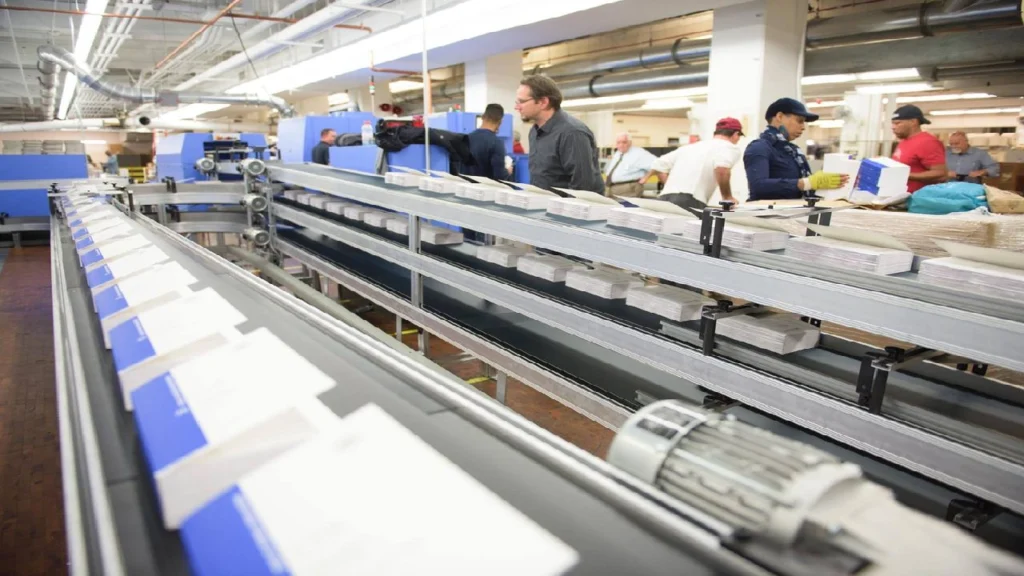
The lawsuit claims that Meta sourced this material through unauthorized channels, effectively bypassing licensing frameworks that publishers rely on. According to the complaint, the scale of alleged infringement is unprecedented, raising concerns about whether AI companies are systematically undermining the economic foundation of the publishing industry.
This legal action comes at a critical moment for the AI sector. Over the past two years, generative AI systems have expanded rapidly, relying on massive datasets scraped from the internet and other sources. While companies argue that this process is necessary for innovation, content creators increasingly see it as uncompensated exploitation of intellectual property.
At the center of the dispute is the legal doctrine of “fair use,” which allows limited use of copyrighted material without permission under U.S. law. Meta is expected to rely heavily on this defense, arguing that training AI models on existing content is transformative and does not directly compete with the original works. Courts have previously shown some support for this argument in similar cases, though rulings have been inconsistent and highly context-dependent.
Publishers, however, strongly reject that position. Maria Pallante, president of the Association of American Publishers, criticized the practice, stating that “mass-scale infringement isn’t public progress” and warning that prioritizing pirated content over licensed material could harm both authors and the broader knowledge economy.
The financial stakes are substantial. Although the current lawsuit does not specify damages, similar cases suggest the potential scale. In a separate dispute, AI firm Anthropic agreed to a $1.5 billion settlement with authors over comparable claims, highlighting the growing legal and financial risks facing AI developers.

Beyond monetary damages, the publishers are seeking class-action status, which could expand the case to include a much broader group of copyright holders. If granted, this would significantly increase both the legal exposure for Meta and the potential impact on the AI industry as a whole.
The case also raises deeper structural questions about how AI systems should be trained. Current models require vast amounts of data, much of which is protected by copyright. Without clear legal boundaries, companies face ongoing uncertainty, while creators argue they are being excluded from the economic value generated by their own work.
This lawsuit is part of a wider wave of legal challenges targeting major AI firms, including actions against companies like OpenAI and Anthropic. Together, these cases are likely to shape the future of AI development, particularly around licensing, data sourcing, and compensation models.
Looking ahead, the outcome of this case could set a critical precedent. If courts rule in favor of publishers, AI companies may be forced to pay for training data or significantly change how models are developed. If Meta prevails, it could reinforce the use of copyrighted material under fair use, accelerating AI innovation but intensifying tensions with content creators.
Either way, the decision will help define the legal and economic framework of the AI era—determining who ultimately benefits from the data that powers it.