
The European Union is pressing the United States to stick to its existing tariff commitments under a fragile transatlantic trade deal, warning that any deviation risks triggering a new economic conflict just as the agreement approaches a critical milestone.
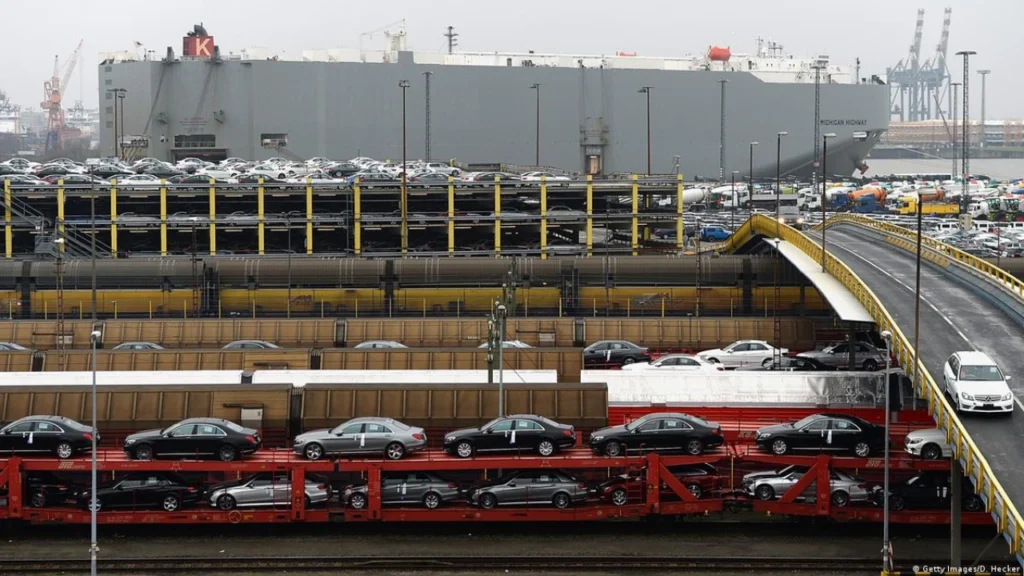
The appeal comes amid escalating tensions after Washington signaled plans to raise tariffs on European automobile imports, a move Brussels argues would directly violate the terms of the 2025 EU–US trade pact. European officials are urging the U.S. to reinstate agreed tariff levels—particularly the 15% cap—rather than proceed with threatened increases to 25%.
The dispute centers on a landmark agreement reached in mid-2025, designed to stabilize trade flows between two of the world’s largest economic blocs. Under that deal, the U.S. imposed a baseline tariff of roughly 15% on most EU goods, while the European Union committed to reducing or eliminating duties on American industrial exports and increasing investment in U.S. markets.
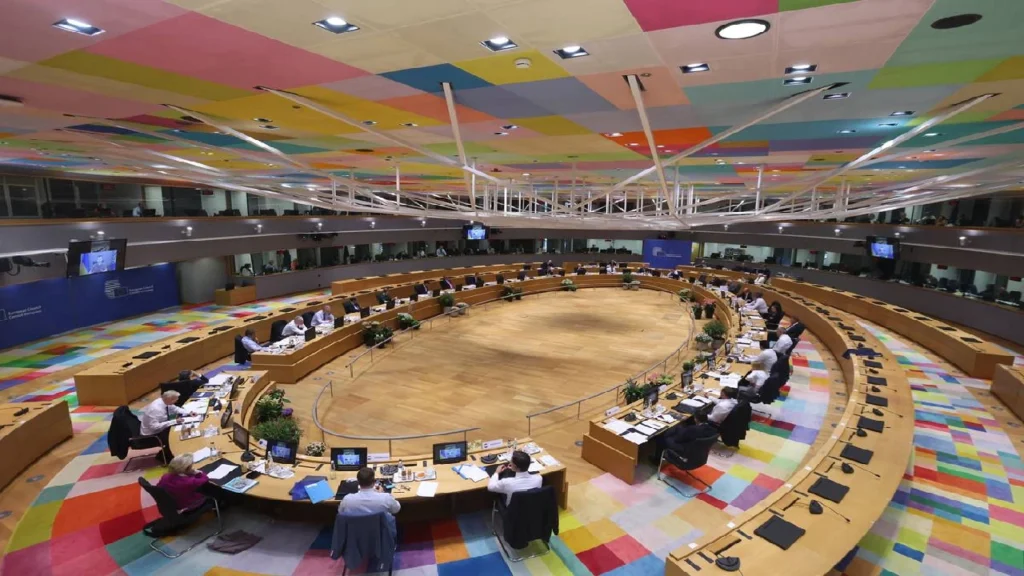
However, implementation has been uneven. EU ratification has been slowed by internal legislative processes and political disagreements, while Washington has grown increasingly impatient, accusing Brussels of failing to meet its obligations.
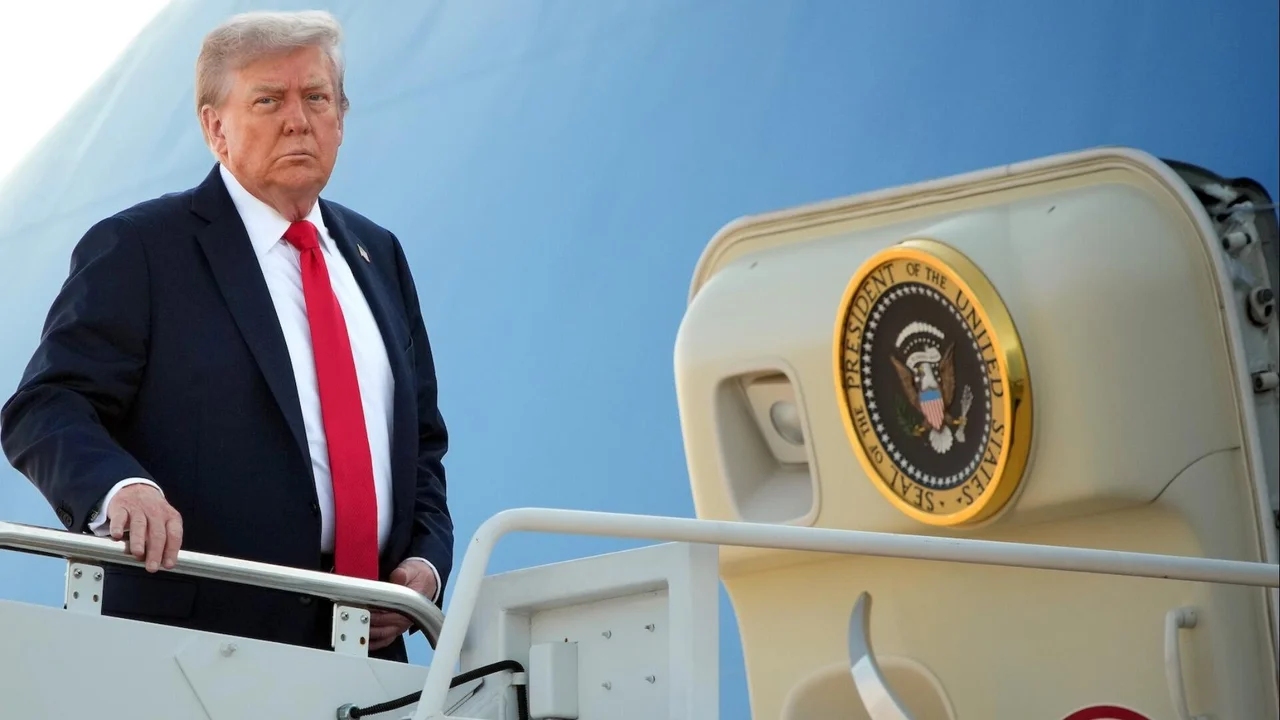
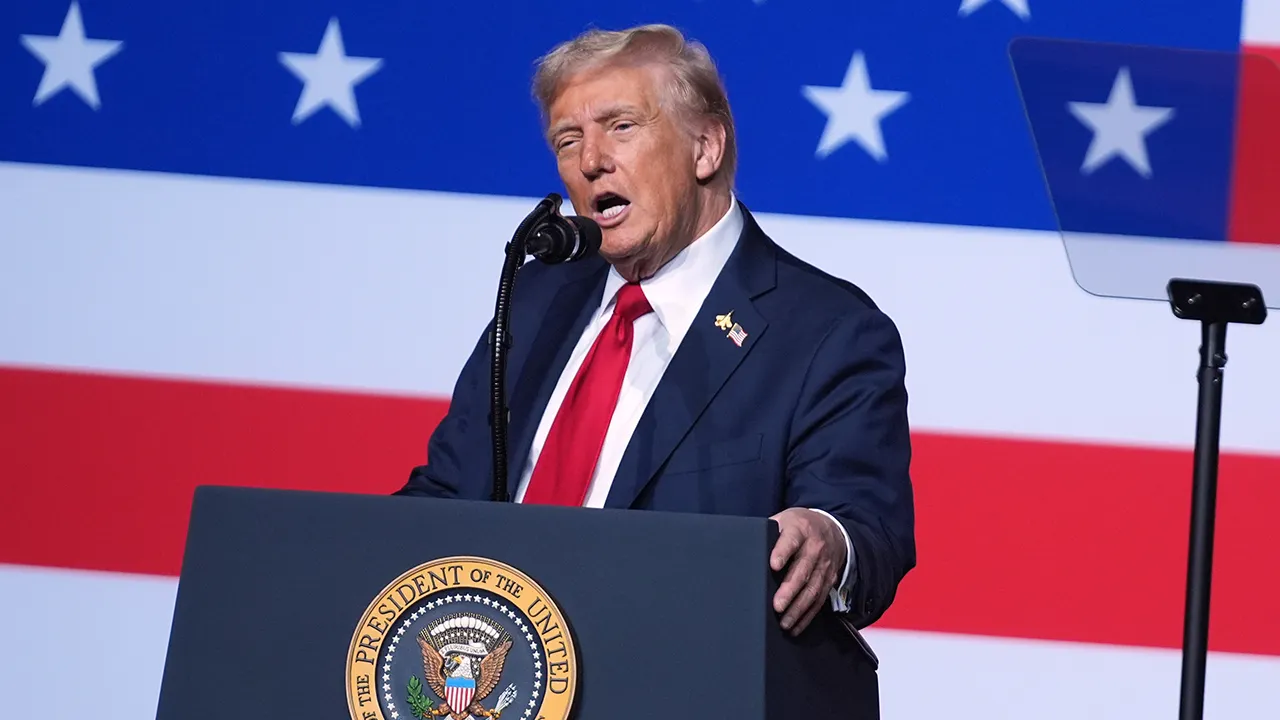
The current flashpoint is the U.S. administration’s plan to raise tariffs on EU cars and trucks to 25%, a decision framed as leverage to force compliance. European leaders reject that justification, insisting they remain committed to the agreement and warning that unilateral tariff hikes could provoke retaliation.
The stakes are significant. Transatlantic trade in goods and services is valued at approximately €1.7 trillion annually, making it one of the most important economic relationships in the world. A breakdown in the tariff framework would not only disrupt supply chains but also hit key industries. Shares in major European carmakers fell between 2% and 3% following the U.S. announcement, reflecting investor concern about a potential escalation.
European officials are also wary of the broader implications. The trade deal was intended to reduce volatility after years of tariff threats and countermeasures. Instead, the current standoff risks undermining trust in bilateral agreements. As one senior EU trade official emphasized in earlier negotiations, “whatever was covered by the deal… should still be covered,” underscoring Brussels’ position that commitments must be honored regardless of political pressure.
At the same time, internal EU divisions complicate the response. While most member states favor a resolution to avoid economic damage, the European Parliament has pushed for safeguards to prevent what it sees as coercive tactics from Washington. This has delayed full implementation, inadvertently strengthening the U.S. argument that the EU has not delivered on its promises.
The timing is particularly sensitive. As the anniversary of the original agreement approaches, both sides face pressure to demonstrate progress. For the U.S., enforcing stricter tariffs could be seen as a domestic political win. For the EU, maintaining the integrity of negotiated agreements is critical to its credibility as a global trade actor.
Looking ahead, the most likely outcome is continued high-level negotiations aimed at avoiding a full-scale tariff escalation. EU trade officials are expected to intensify diplomatic engagement in the coming weeks, while preparing contingency measures—including potential counter-tariffs—if talks fail.
If neither side backs down, the dispute could mark the beginning of a renewed transatlantic trade conflict, with consequences extending far beyond autos to broader economic cooperation.