Oil markets surged on Monday following direct Iranian military strikes against the United Arab Emirates. Brent crude futures jumped more than five percent to trade near $114 per barrel. Iran launched drone and missile attacks targeting energy infrastructure in the emirate of Fujairah. This marks the first such strikes since a ceasefire took effect in early April.
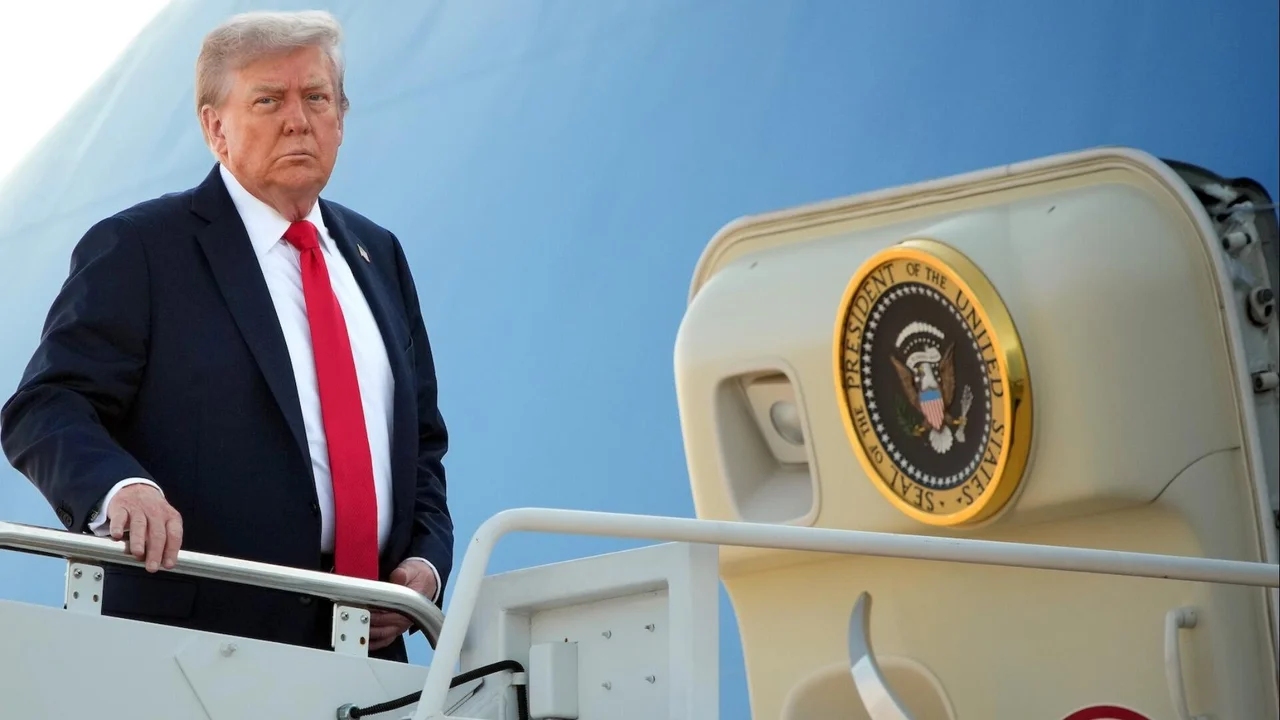
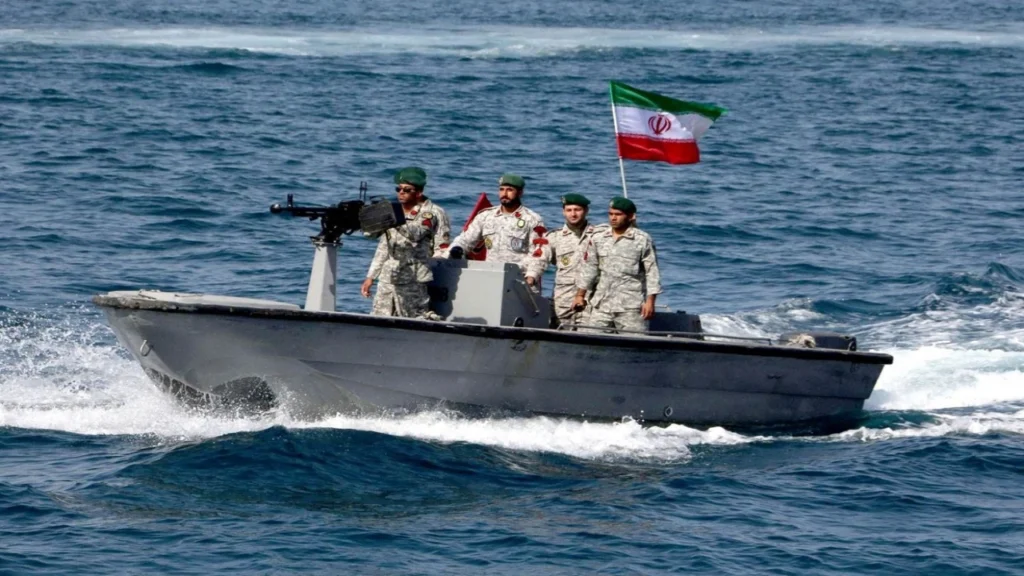
The confrontation began Sunday when President Donald Trump announced “Project Freedom.” This US naval mission aimed to guide stranded commercial vessels through the Strait of Hormuz. On Monday, two US Navy guided-missile destroyers crossed the waterway. Two American-flagged merchant ships later “successfully transited,” according to CENTCOM.
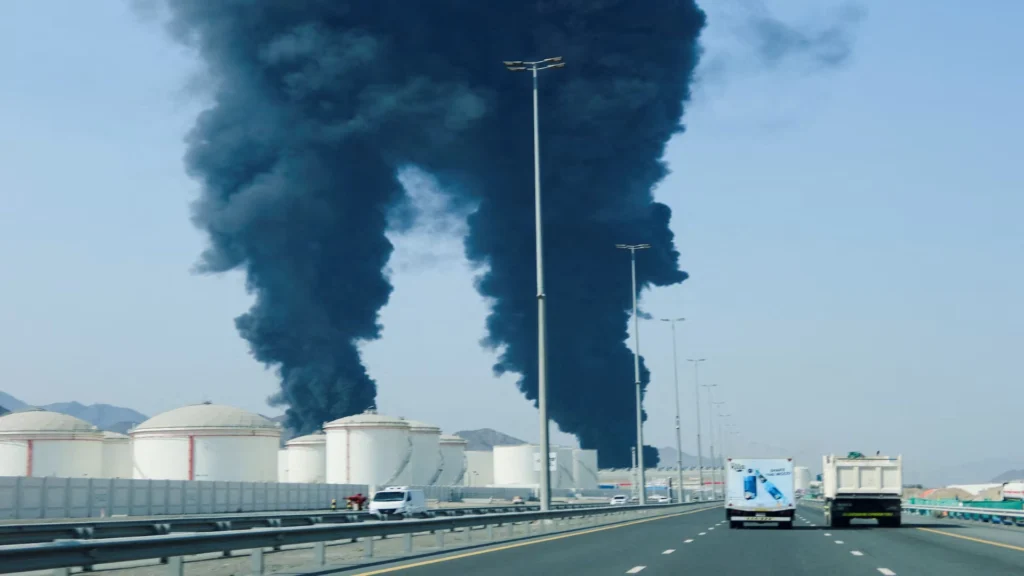
Iran responded swiftly and forcefully to the US naval operation. The UAE defense ministry reported detecting four cruise missiles launched from Iran. Their air defenses intercepted three of those incoming missiles. The fourth missile struck an oil industry zone in Fujairah, triggering a large fire.
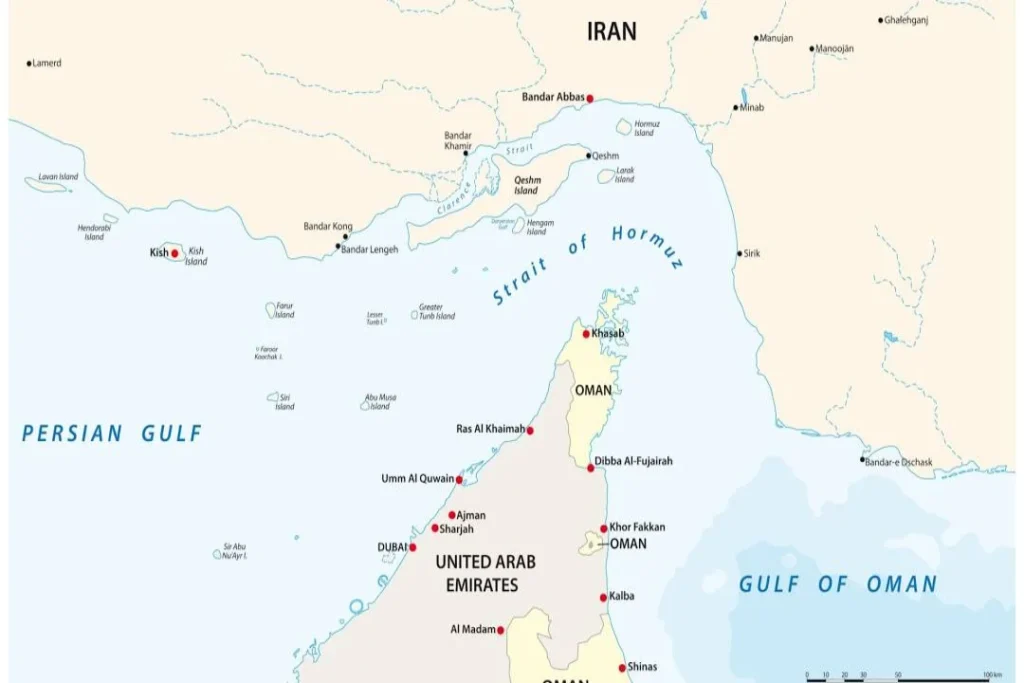
Emergency crews later contained the blaze in the oil zone. Iran’s Revolutionary Guards Navy also issued new maps expanding claimed areas. Those maps now include UAE ports near the strategic waterway. The price shock reflects escalating confrontation over a chokepoint that handles 20 percent of global oil supplies.
Monday’s attacks signal Iran’s willingness to strike Gulf Arab energy infrastructure directly. This represents an escalation from limiting operations to the strait alone. The UAE is OPEC’s third-largest producer of crude oil. Its output has more than halved since the conflict began February 28.
Fujairah serves as a critical export terminal when Gulf routes are blocked. Data from Monday’s trading shows Brent climbing 5.75 to 113.92 per barrel. US West Texas Intermediate rose 3.54 to 105.48. Both benchmarks closed at their highest levels in six weeks.
The World Bank’s April 2026 Commodity Markets Outlook projects energy prices will rise 24 percent this year. The report estimates an unprecedented 10 million barrel-per-day reduction in global oil supply. That would be the largest such shock in recorded history. It surpasses even the 1973 Arab oil embargo.
UBS analyst Giovanni Staunovo noted that “the path for prices remains skewed to the upside.” He added that this trend would continue as long as flows through the strait remain restricted. Iran has warned it will attack “any foreign armed force” in the strait. The US remains committed to its escort operations regardless of the threat.
Industry experts remain deeply skeptical of a quick resolution to the crisis. Jakob Larsen, chief safety officer at shipping association BIMCO, spoke to Lloyd’s List. He stated that “it seems likely we will see a resumption of hostilities.” The key question, Larsen added, is whether further combat can degrade Iran’s threat.
If combat successfully reduces Iran’s capabilities, commercial traffic might eventually resume. For global energy markets, however, the ceasefire has already ended. The supply disruption is now set to deepen further. Consumers worldwide should prepare for higher fuel costs in the weeks ahead.