
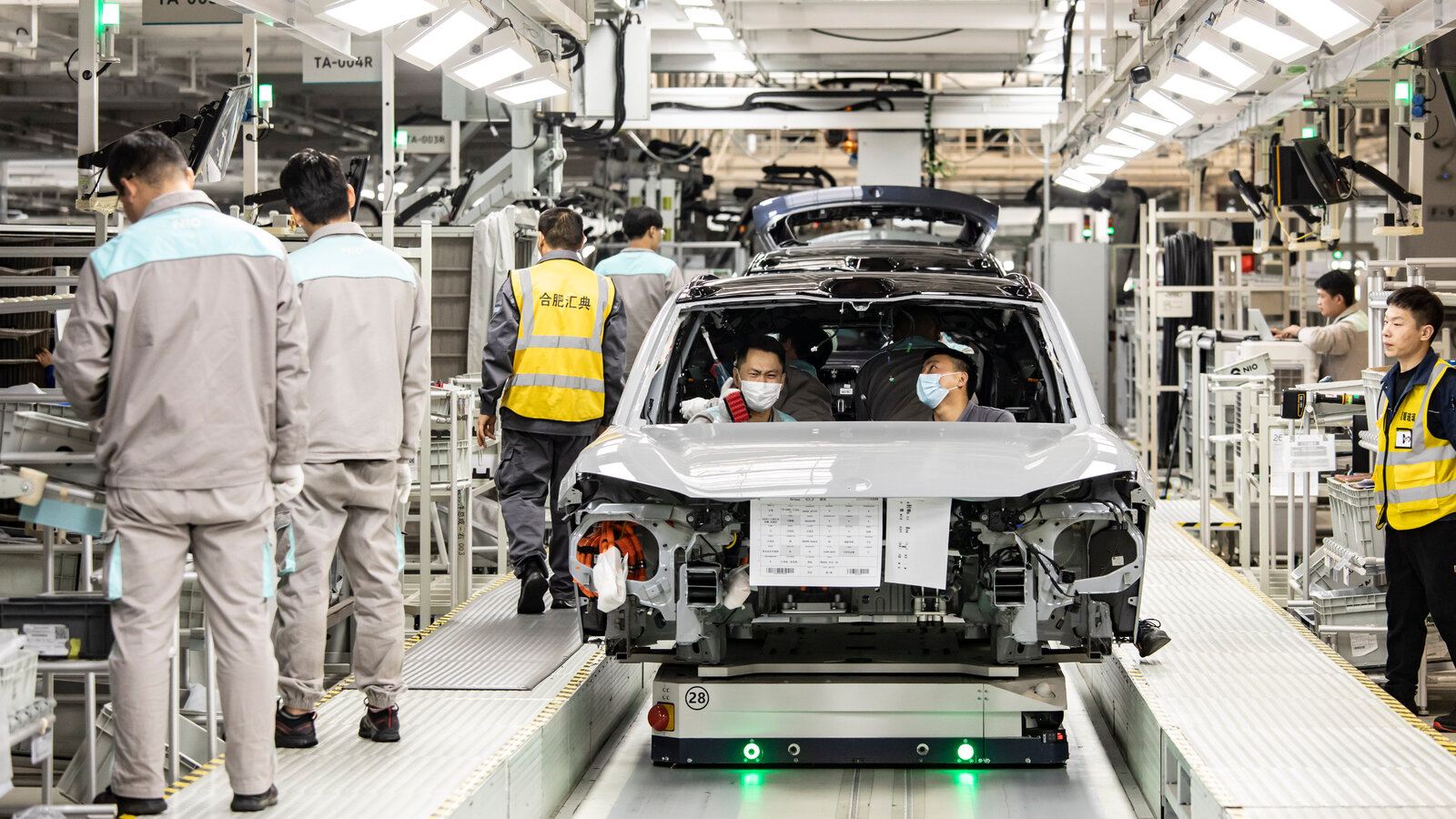
China’s automakers are aggressively pursuing a so-called “Yaris moment” to drive sustained overseas growth, redesigning vehicles specifically for foreign markets as domestic competition squeezes profits and limits expansion.
The strategy marks a clear shift from earlier export models. Instead of selling slightly modified China-built cars abroad, companies are now engineering vehicles from the ground up for international buyers. The goal mirrors the success of the Toyota Yaris, which helped Toyota establish a strong foothold in Europe after its 1999 launch by tailoring design to local preferences.
This pivot is being driven by mounting pressure at home. China’s auto market is overcrowded, with more than 100 manufacturers competing in a prolonged price war that has sharply reduced margins. Analysts warn that domestic sales are expected to stagnate or even decline, forcing companies to look outward for survival and profitability.
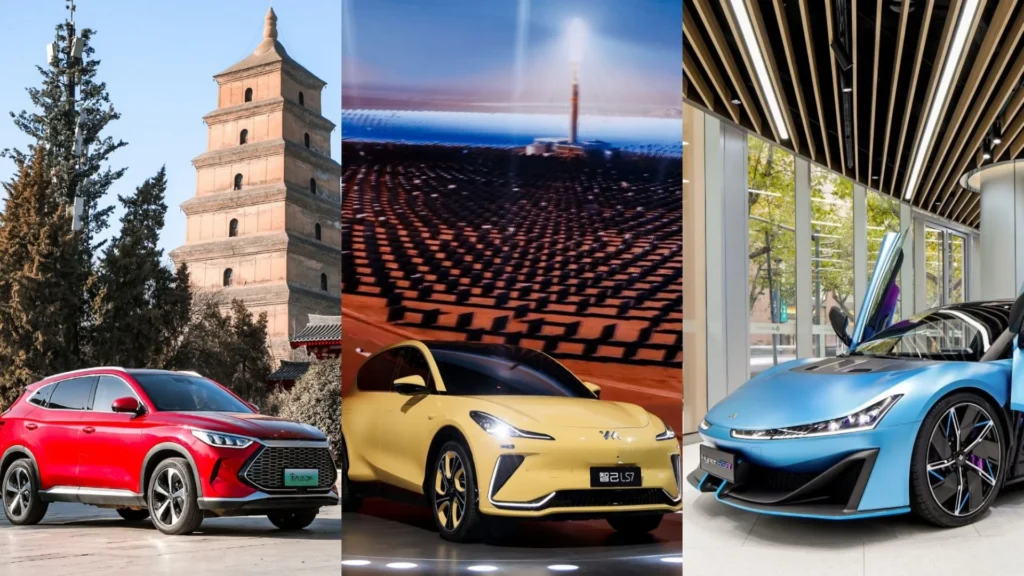
Major players including BYD, Chery, SAIC Motor, and Changan Automobile are leading the push. They are developing region-specific models such as compact hatchbacks for Europe and pickup trucks for markets like Australia and Mexico.
The financial logic behind this shift is significant. Overseas markets not only offer higher growth potential but also allow Chinese brands to charge higher prices. In some Western markets, vehicles can sell for nearly double their domestic price while still remaining competitive against established brands. This creates a crucial opportunity to improve margins, which have been under severe pressure in China.
Data underscores the growing importance of exports. China overtook Japan in 2024 to become the world’s largest car exporter, reflecting the scale of its global ambitions. In Europe, Chinese automakers nearly doubled their market share to about 6% last year, up from 3.5% in 2024, while in the UK their share reached 14.2% in the first quarter of 2026.

Executives emphasize that localization is now critical. Stella Li, a senior executive at BYD, highlighted that hatchbacks account for more than 40% of new car sales in parts of southern Europe—a segment largely absent in China. Without products tailored to such demand, companies risk losing relevance in key markets.
Industry analysts describe this transition as essential for long-term success. Globally adaptable models are considered the “holy grail” because they allow automakers to scale production efficiently while meeting diverse consumer needs. Achieving that balance can significantly boost profitability and brand recognition.
However, the strategy is not without risks. Chinese brands face regulatory scrutiny, trade barriers, and strong competition from established global automakers. Adapting to regional tastes also requires deeper investment in design, engineering, and supply chains, increasing upfront costs.
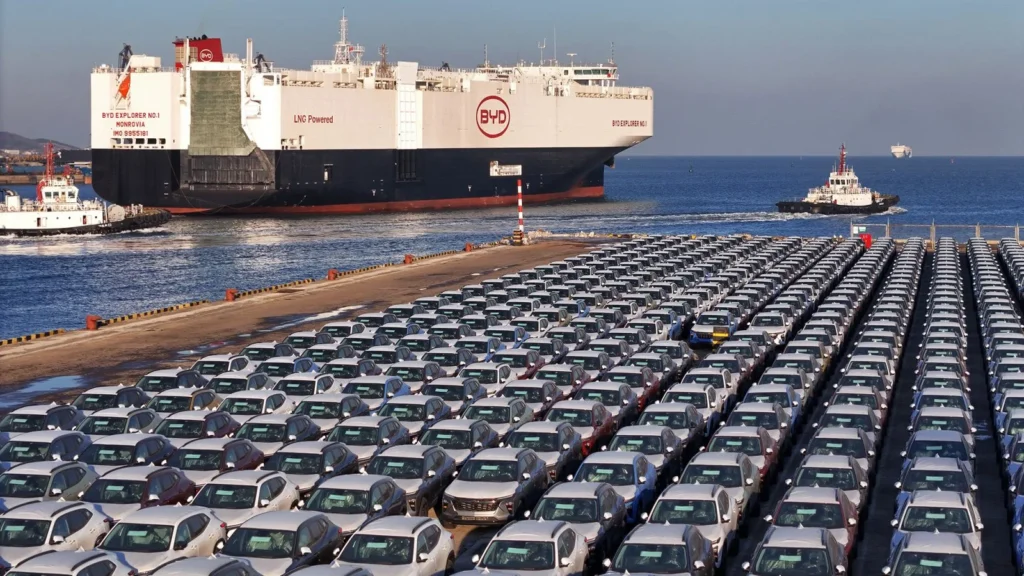
The broader implication is a structural transformation of the global auto industry. As Chinese manufacturers evolve from low-cost exporters to globally competitive brands, they are reshaping pricing dynamics and intensifying competition across Europe, Asia, and emerging markets.
Looking ahead, success will depend on execution. If Chinese carmakers can deliver locally relevant vehicles while maintaining cost advantages, they could secure a durable presence in global markets. If not, their overseas push may struggle against entrenched competitors and regulatory challenges. For now, the pursuit of a “Yaris moment” reflects both an opportunity and a necessity.