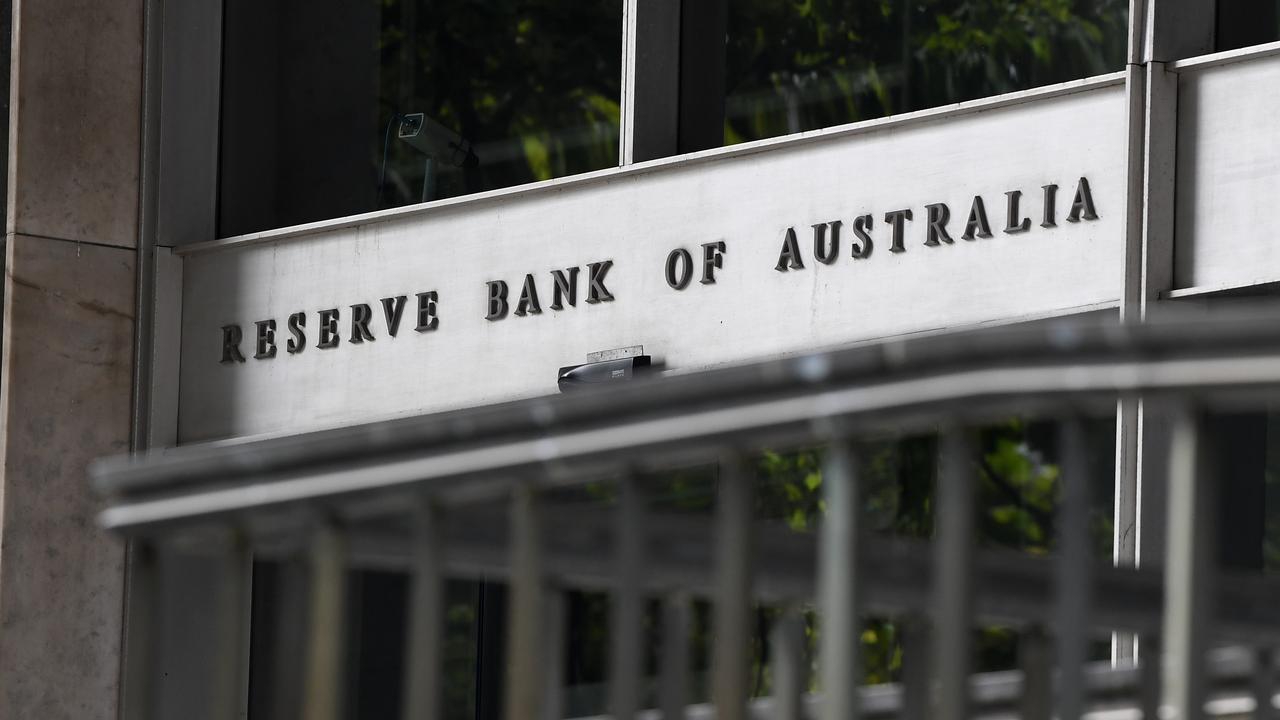
Australia’s central bank has raised interest rates again and warned that inflation will remain higher for longer, signaling a tougher economic outlook ahead. The move underscores growing concern that price pressures are becoming more persistent, forcing policymakers to act despite slowing growth.
The Reserve Bank of Australia increased its benchmark cash rate by 25 basis points to 4.35% on May 5, 2026, marking its third consecutive hike this year. The decision reflects renewed inflation risks, particularly from rising global energy prices and continued domestic demand strength.
Earlier hopes that inflation was easing have faded. Price pressures began rising again in late 2025, driven by strong consumption and supply constraints. By 2026, global factors—especially surging oil prices linked to geopolitical tensions—added further strain on the economy.

Fuel costs have emerged as a key driver of inflation. Higher energy prices are not only increasing transport expenses but also pushing up the cost of goods and services across the board. This has created broader inflationary effects that are proving difficult to contain.
The central bank now expects inflation to approach around 5% in 2026, well above its 2–3% target range. Officials warned that inflation is likely to remain elevated for an extended period, with risks increasingly tilted toward further increases rather than declines.
At the same time, economic growth is weakening. Forecasts suggest GDP growth could slow to about 1.3%, reflecting reduced household spending and tighter financial conditions. Higher interest rates are putting pressure on mortgage holders and businesses alike.
Despite slower growth, demand has shown resilience. Household spending unexpectedly rose by 1.6% in March, indicating that higher borrowing costs have not fully curbed consumption. This makes it harder for the central bank to bring inflation under control.
Energy prices remain a major concern. Fuel costs surged significantly in recent months, with some reports indicating increases of over 30%, feeding directly into inflation. These external shocks are complicating efforts to stabilize prices.
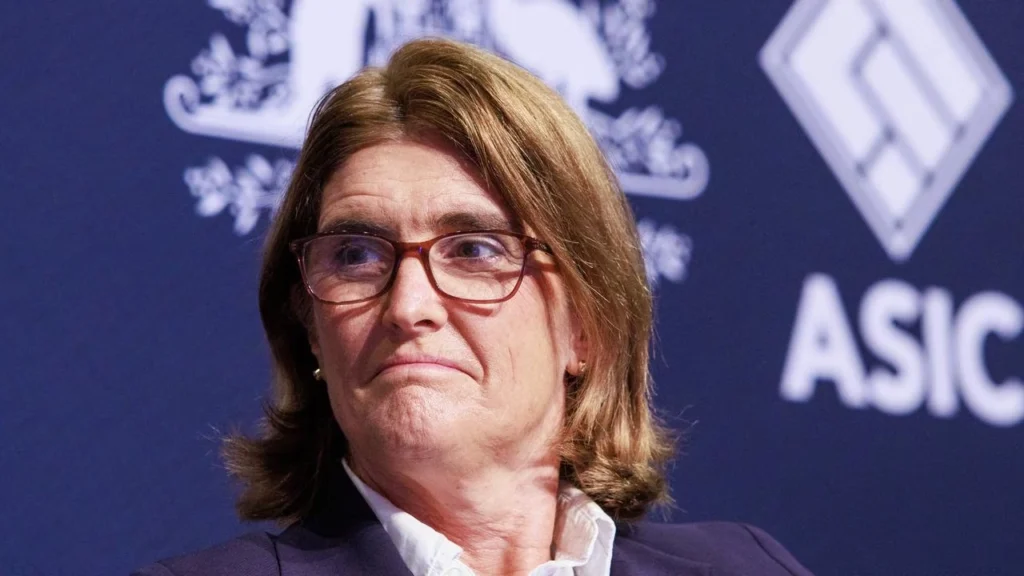
RBA Governor Michele Bullock acknowledged the strain on households, noting that rising inflation is eroding purchasing power. The warning highlights the real impact of sustained price increases on living standards across the country.

The latest rate hike reflects a difficult balancing act. Policymakers must control inflation without pushing the economy into a deeper slowdown. However, the persistence of inflation suggests that further tightening may still be necessary.
Looking ahead, much will depend on global developments, particularly energy markets and geopolitical stability. If inflation remains elevated, additional rate hikes cannot be ruled out, even as growth continues to weaken.
For now, the central bank’s message is clear: inflation remains a serious threat, and restoring price stability will take time. The path forward is likely to involve continued economic pressure, with no quick resolution in sight.