Morgan Stanley is forecasting a significant artificial intelligence–driven boost for Chinese equities, with analysts pointing to imminent capital inflows and structural growth tied to the country’s expanding AI ecosystem.
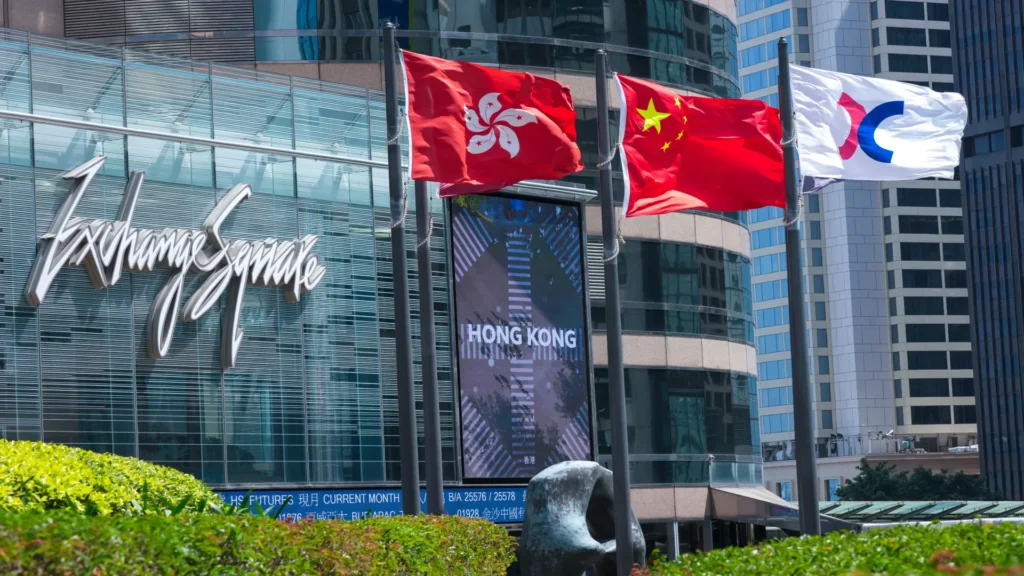
The bank said the expected inclusion of two Chinese generative AI firms—Zhipu AI and MiniMax—into the Hang Seng Tech Index in June 2026 could trigger between $1.25 billion and $1.75 billion in passive investment inflows, as index-tracking funds are forced to buy the stocks. This mechanical demand, rather than broader macroeconomic factors, is expected to provide a near-term uplift to Chinese tech valuations.
The prediction comes as global investors reassess China’s position in the AI race. While geopolitical tensions and U.S. export controls have weighed on sentiment, Beijing has doubled down on domestic AI development, aligning policy, capital, and industry to accelerate growth. Morgan Stanley describes China’s approach as methodical, driven by long-term national strategy and large-scale state support.
At a structural level, the bank estimates China’s AI ecosystem could expand dramatically over the next decade. Its research suggests the country’s core AI industry could reach $140 billion by 2030, while the broader ecosystem—including infrastructure and suppliers—could grow to $1.4 trillion. These projections underscore why equity markets are increasingly sensitive to AI-related developments.
The current catalyst, however, is more immediate and technical. Index inclusion matters because passive funds must allocate capital based on index composition, regardless of valuation. That creates predictable buying pressure. Morgan Stanley’s estimate of up to $1.75 billion in inflows highlights how even a limited number of AI-focused listings can move markets in the short term.
Beyond this event, the bank’s broader thesis centers on how AI is reshaping China’s corporate landscape. Companies that control the “full AI stack”—including chips, cloud infrastructure, models, and applications—are expected to capture the most value. This explains why firms like Alibaba and Tencent are repeatedly highlighted as key beneficiaries, given their integrated ecosystems and large-scale data advantages.
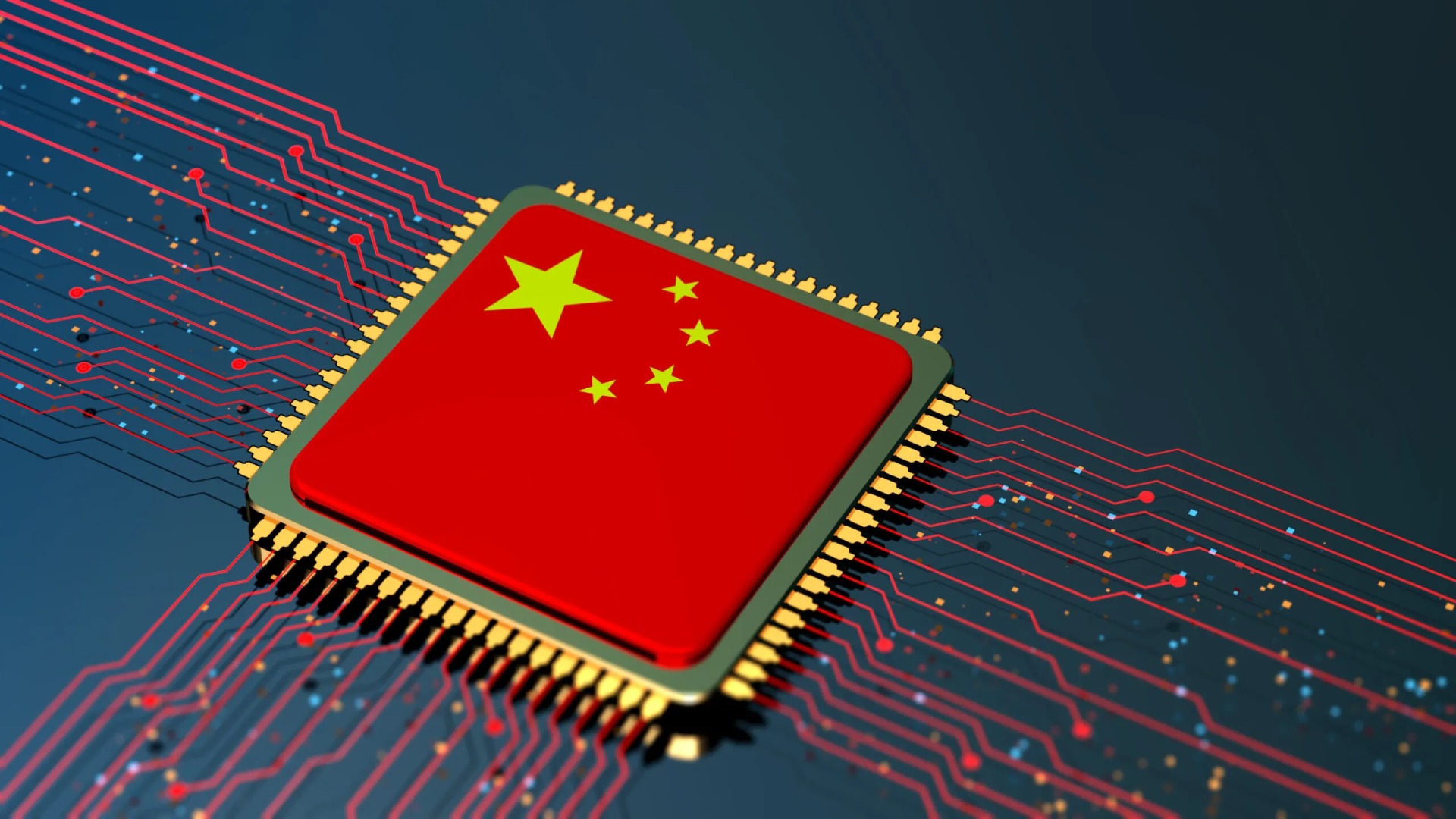
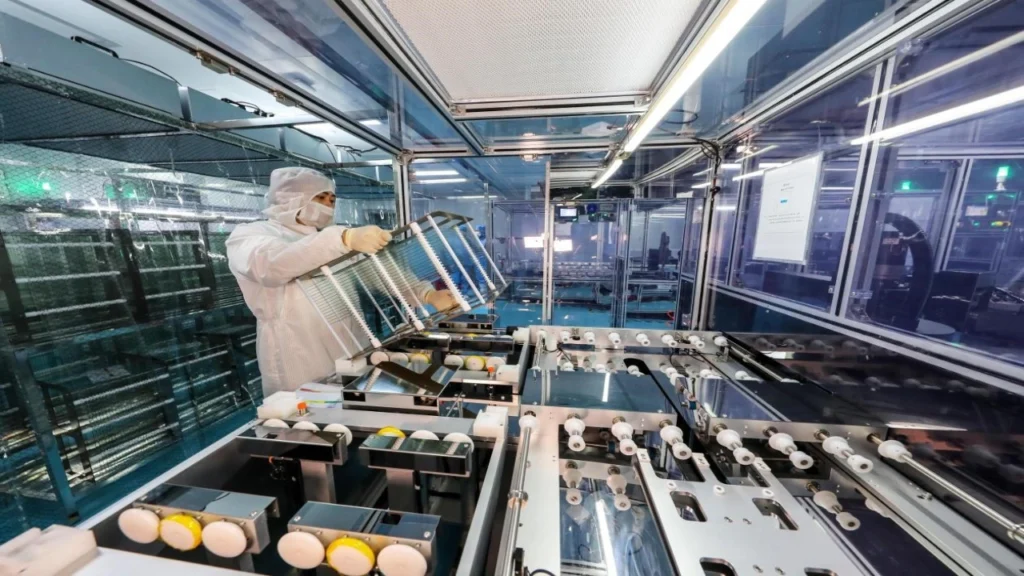
The semiconductor layer is equally critical. Morgan Stanley notes that China is targeting 76% self-sufficiency in AI GPUs by 2030, with domestic manufacturers like SMIC positioned as central players in that transition. This push reflects both necessity—due to U.S. export restrictions—and opportunity, as local supply chains expand to meet rising AI demand.
Importantly, China’s AI strategy differs from that of the USA. Rather than focusing only on cutting-edge computing power, Chinese firms emphasize efficiency, cost reduction, and rapid commercialization. This approach is already accelerating adoption across sectors, and is expected to deliver measurable productivity gains within the next 6 to 12 months, according to Morgan Stanley analysts.
For investors, the implication is clear: AI is no longer a speculative theme in China—it is becoming a core driver of earnings, capital flows, and industrial policy. The expected index-driven inflows represent just the first wave of what could be a broader re-rating of Chinese technology stocks as AI deployment scales.
Looking ahead, the sustainability of this momentum will depend on execution. If Chinese firms can translate AI investment into consistent revenue growth and profitability, the sector could attract sustained global capital. However, risks remain, including regulatory uncertainty, geopolitical friction, and the challenge of achieving technological independence in advanced chips.
Still, Morgan Stanley’s outlook signals a turning point. With both structural growth projections and near-term capital catalysts aligning, Chinese equities may be entering a phase where artificial intelligence becomes the dominant force shaping market performance.