

Why Inflation Is Quietly Reducing Your Wealth?
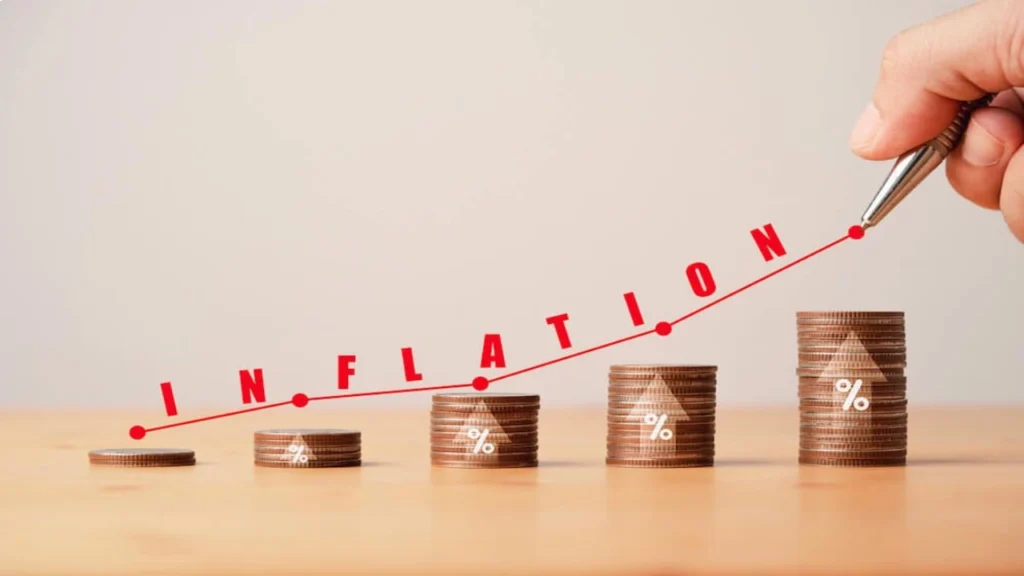
Inflation is one of the most overlooked financial challenges, yet it affects everyone. Over time, it reduces the purchasing power of money, meaning the same amount buys less in the future than it does today. Even if your savings balance stays the same, its real value is slowly shrinking. This is why simply saving money is not enough. To stay financially secure, you need to understand how to protect and grow your savings in a way that keeps up with rising prices.
Step 1: Understand How Inflation Impacts Your Money
The first step is understanding what inflation actually does to your finances. When the cost of goods and services rises, your money loses value in real terms. For example, if inflation is higher than the return on your savings, you are effectively losing purchasing power even though your bank balance is unchanged. Recognizing this helps shift your mindset from just saving money to actively preserving its value over time.
Step 2: Get a Clear Picture of Your Finances
Before making any financial decisions, it is important to understand where you currently stand. This means calculating your total income, monthly expenses, and how much you are saving each month. Many people avoid this step because it feels tedious, but without clarity, it becomes difficult to make progress. Once you know your numbers, you can identify whether you are overspending, undersaving, or doing reasonably well.

Step 3: Build a Strong Emergency Fund
A financial safety net is essential before focusing on growth. An emergency fund ensures that unexpected expenses such as medical bills or sudden income loss do not force you into financial stress. Ideally, this fund should cover several months of basic living expenses. It should also be kept in a safe and easily accessible place so that you can use it when needed without delay or complications.
Step 4: Reduce Unnecessary Spending
Once your basics are secure, the next step is to examine your spending habits. Many people lose money through small, repeated expenses that do not add real value. By reviewing your monthly spending, you can identify areas where you can cut back without affecting your quality of life. The money saved from these adjustments can then be redirected toward building savings or investments, which helps you stay ahead of inflation.

Step 5: Avoid Letting Your Money Sit Idle
Keeping too much money in cash over long periods is not effective in an inflationary environment. While cash is necessary for short-term needs, holding excess amounts means your money is gradually losing value. A better approach is to keep only what you need for daily use and emergencies in cash, while allocating the rest toward options that have the potential to grow over time.
Step 6: Invest in Assets That Can Grow With Inflation
To protect your savings, you need to move beyond cash and consider assets that can maintain or increase value over time. These may include investments in companies, property, or other stable long-term assets. The key is not to rush or take excessive risks, but to gradually build exposure to areas that historically tend to grow alongside or above inflation.

Step 7: Use a Consistent Long-Term Approach
Instead of trying to predict market movements or time investments perfectly, it is more effective to follow a consistent strategy. Investing small amounts regularly helps smooth out market fluctuations and reduces emotional decision-making. Over time, this steady approach often produces more reliable results than trying to make short-term gains.
Step 8: Diversify Your Savings
Putting all your money into one type of asset increases risk. A more balanced approach involves spreading your money across different categories such as cash, investments, and physical assets. This helps protect your finances if one area performs poorly while allowing other areas to support overall growth. Diversification creates stability, which is especially important during uncertain economic conditions.
Step 9: Focus on Increasing Your Income
While managing expenses and investments is important, increasing your income can have an even bigger long-term impact. Improving your skills, exploring new opportunities, or developing additional income sources can significantly strengthen your financial position. When your income grows faster than inflation, it becomes much easier to save and invest effectively.
Step 10: Review and Adjust Your Strategy Regularly
Financial planning is not something you do once and forget. Economic conditions change, and your personal situation will also evolve over time. Regularly reviewing your income, expenses, and investments helps you stay on track and make necessary adjustments. This habit ensures that your financial strategy remains effective in the long run.

Conclusion: Staying Ahead of Inflation
Beating inflation is not about complex financial tactics or high-risk decisions. It is about building simple, consistent habits that protect and grow your money over time. By understanding inflation, managing your expenses, and investing wisely, you can preserve your purchasing power and build long-term financial stability. The key is consistency, patience, and making small but steady improvements in how you handle your money.