
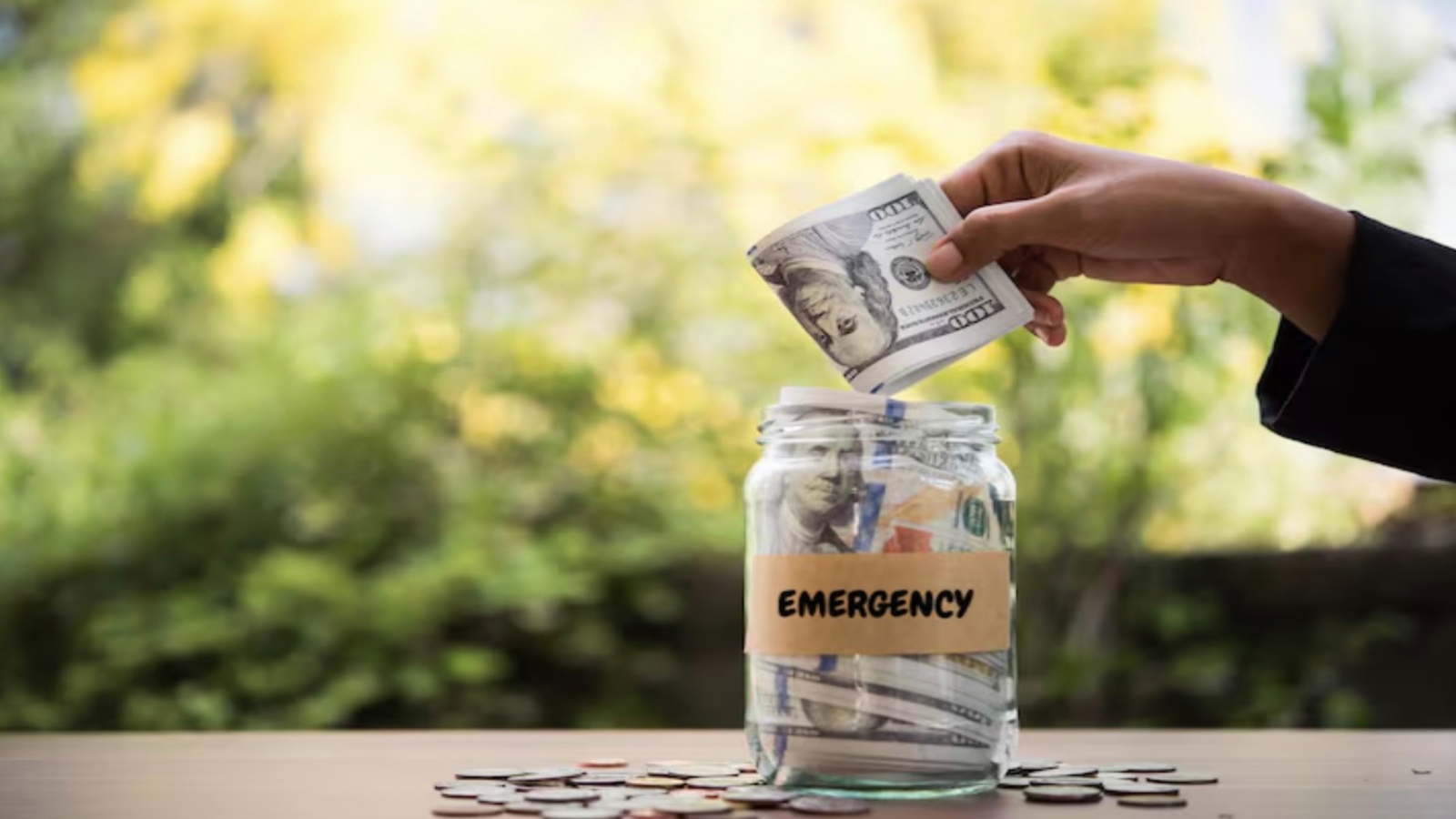
Unexpected expenses are becoming more expensive and more frequent. A car breakdown, medical issue, or sudden loss of income can disrupt your entire financial situation if you’re not prepared. Without a safety net, even a single emergency can force you into difficult decisions.
That’s why building an emergency fund is one of the most important financial steps you can take today. It gives you stability, reduces stress, and protects your daily life when things don’t go as planned. The good news is that you don’t need a high income or a perfect system to start—you just need a clear approach.
This guide walks you through the process step by step, using practical methods that work in 2026.
Step 1: Understand the Purpose of an Emergency Fund
The first step is understanding exactly what you’re building and why it matters. An emergency fund is money set aside only for unexpected and necessary situations. It acts as a buffer between you and financial stress when something goes wrong.
It’s important to be clear that this money is not for planned expenses or lifestyle spending. It’s not for shopping, travel, or upgrades. Once you mentally separate this fund from your regular money, it becomes much easier to protect and grow.
Think of it as your personal financial backup system. If something breaks or income stops, this is what keeps everything running.
Step 2: Set a Realistic Savings Target for 2026
Once you understand the purpose, the next step is deciding how much to save. In today’s environment, starting with a small, vague goal like “one month of expenses” is often not enough.
A more practical approach in 2026 is to begin with a clear starter milestone of around $1,500 to $2,000. This amount is large enough to handle common emergencies like repairs or urgent bills, which have become more expensive in recent years.
After reaching that first milestone, you can build toward a stronger safety level. Most people aim for three to six months of essential expenses. If your income is unpredictable or freelance-based, extending that to nine months provides additional stability.
The key is to treat this as a gradual process. You are not expected to reach the final goal immediately. You are building layers of protection over time.

Step 3: Calculate Your Essential Monthly Expenses
Now you need a clear number to work with. Take some time to calculate how much you spend each month on essentials. Focus only on what is necessary to maintain your basic lifestyle.
This usually includes housing, food, utilities, transportation, and essential bills. Avoid including optional spending, as the goal is to understand your minimum survival cost.
Once you have this number, your savings targets become much clearer. Instead of guessing, you now have a defined goal that you can build toward step by step.

Step 4: Start Small and Build Momentum
One of the biggest mistakes people make is waiting until they can save a large amount. That usually leads to delays and frustration.
A better approach is to start small and stay consistent. Even a modest amount saved regularly can build momentum over time. What matters most is creating the habit.
In 2026, many people find it helpful to use automatic round-up features in their banking apps. These small, almost unnoticeable savings can add up and help you get started without pressure.
Once you see progress, even if it’s slow, it becomes much easier to stay committed.
Step 5: Store Your Money in the Right Place
Where you keep your emergency fund is just as important as building it. Many people make the mistake of leaving their savings in basic accounts that offer little to no return.
In today’s environment, that means your money is slowly losing value over time.
A more practical approach is to use a high-yield savings account. These accounts are designed to offer better returns while still keeping your money safe and easily accessible.
With current rates in 2026, these accounts can provide meaningful growth without adding risk. This allows your emergency fund to grow not just from your contributions, but also on its own.
The goal is to keep your money secure, accessible when needed, and protected from losing value over time.
Step 6: Automate Your Savings Process
Consistency is easier when you remove decision-making from the process. This is where automation becomes extremely useful.
You can set up automatic transfers so that a portion of your income goes directly into your emergency fund. This way, saving happens before you have the chance to spend.
Modern tools have made this even easier. Some apps can analyze your spending patterns and move small amounts into savings only when it’s safe to do so. This helps you save without feeling restricted.
Treat your savings like a fixed responsibility. Once it becomes part of your routine, it no longer feels like an effort.

Step 7: Reduce Small Expenses to Free Up Cash
If saving feels difficult, the issue is often not income—it’s small, unnoticed spending.
A practical step is to review your recurring expenses. Many people now have multiple subscriptions or services they rarely use. These small costs add up over time.
By cutting unnecessary expenses, you can create extra room in your budget without making major lifestyle changes. Redirecting even a small amount each month into your emergency fund can significantly speed up your progress.
The goal is not to restrict your life, but to remove waste and use your money more intentionally.
Step 8: Use Extra Income to Grow Faster
Whenever you receive extra money, you have an opportunity to accelerate your progress.
This could be a bonus, a gift, a refund, or additional income from side work. Instead of spending it immediately, you can allocate part of it toward your emergency fund.
This approach allows you to make faster progress without depending only on your regular income. Over time, these extra contributions can make a noticeable difference.
Step 9: Use the Fund Only When Necessary
Building the fund is only part of the process. Protecting it is equally important.
Before using your emergency savings, take a moment to evaluate the situation. Ask yourself whether the expense is truly unexpected and necessary. If it can be delayed or avoided, it’s usually better to leave the fund untouched.
Clear boundaries help ensure that your savings are available when you truly need them.
Step 10: Rebuild After You Use It
At some point, you will likely need to use your emergency fund. That’s exactly what it’s for.
Once the situation is handled, your focus should shift to rebuilding it. Return to your saving routine and gradually restore the amount you used.
This keeps your financial safety net strong and ready for the next unexpected event.

Final Thoughts
Building an emergency fund is not about perfection. It’s about preparation.
In 2026, the smartest approach is simple: start with a realistic goal, use modern tools to stay consistent, and keep your money in a place where it can grow safely.
You don’t need a large income or a perfect system to begin. You just need to take the first step and keep going.
Over time, that small habit turns into financial security—and that’s what truly makes the difference.