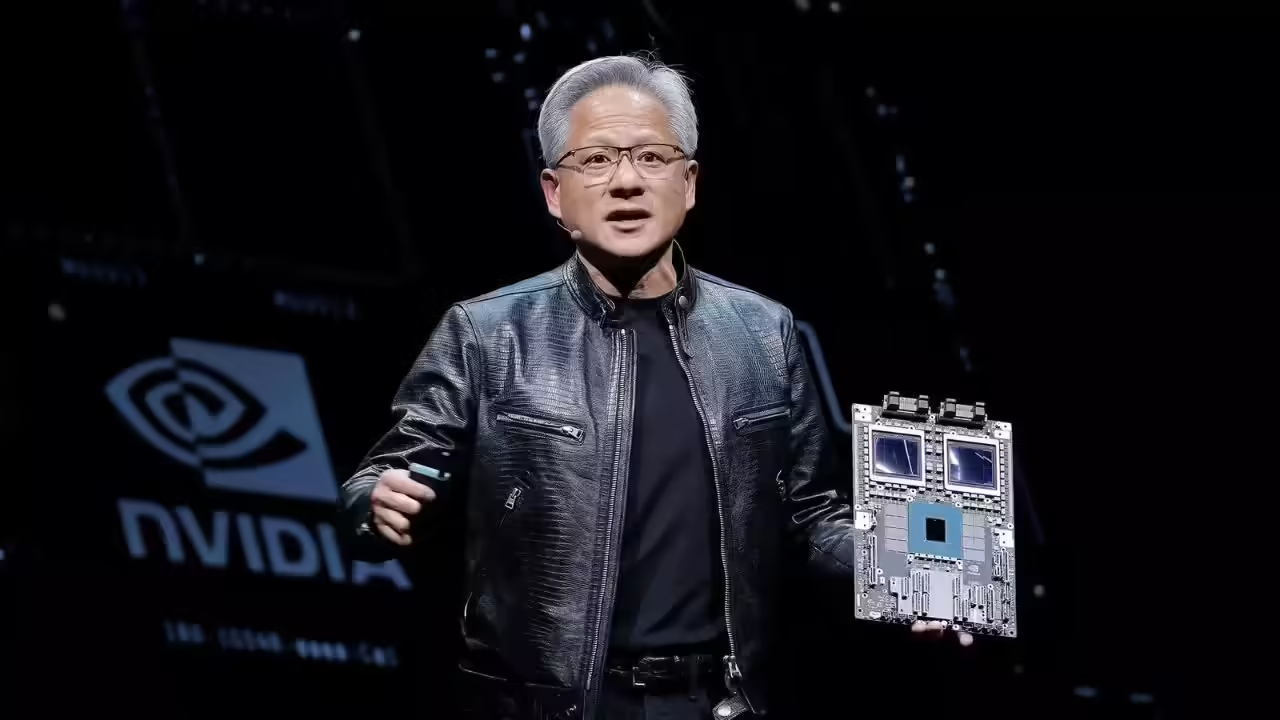
Artificial intelligence is not destroying jobs—it is creating them. That was the central message from Jensen Huang, who said AI has already generated more than half a million jobs and is accelerating hiring as companies adopt the technology.
Speaking on the “Memos to the President” series hosted by the Special Competitive Studies Project, Huang directly challenged the growing narrative that AI will lead to widespread unemployment. Instead, he argued that AI is acting as a powerful economic engine: “AI has created more than half a million jobs. Companies that use AI grow faster. When they grow faster, they hire more people.”
The debate over AI and jobs has intensified in recent years, with some industry leaders warning of large-scale displacement, particularly in white-collar roles. However, Huang’s position reflects a contrasting view rooted in historical precedent—where major technological shifts, from industrial machinery to the internet, initially disrupted labor markets but ultimately expanded them.

This perspective aligns with broader policy discussions in Washington. The Special Competitive Studies Project has emphasized that AI is fundamentally reshaping the labor market, with demand growing for advanced technical talent and workers capable of using AI tools effectively. The organization notes that technological transformations have historically created new categories of jobs, as older roles declined.
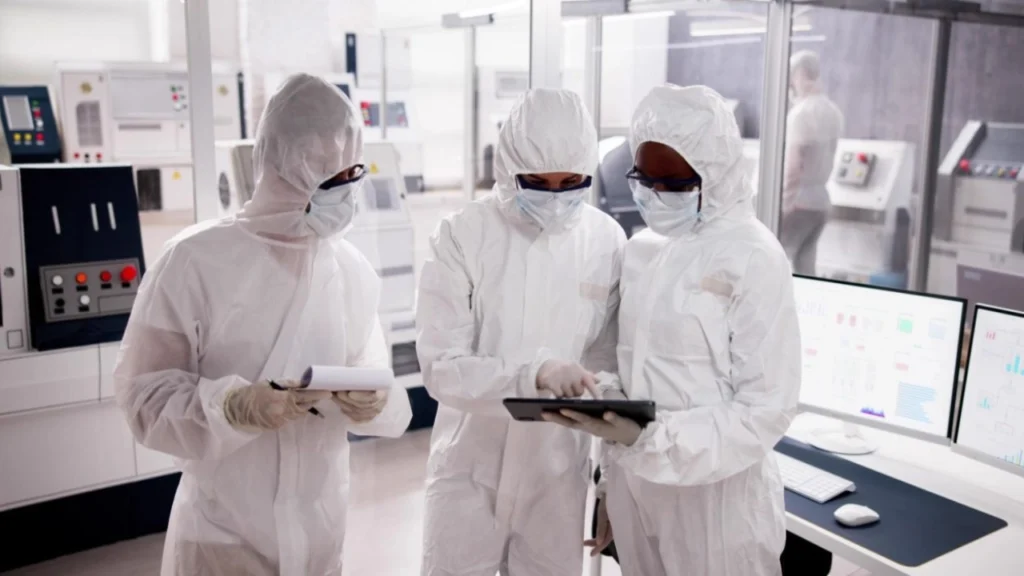
Huang’s argument is grounded in a simple economic mechanism: productivity drives growth, and growth drives hiring. Companies that integrate AI into their operations can produce more output with the same resources, expand faster, and enter new markets. This dynamic is already visible in sectors such as data centers, semiconductor manufacturing, and AI software development—industries that have seen rapid hiring amid the current AI boom.
Data from recent reports supports this trend. AI-driven industries are experiencing significant investment and workforce expansion, particularly in infrastructure and computing. NVIDIA itself has been at the center of this surge, with its chips powering much of the global AI ecosystem and contributing to a broader hiring wave across tech and adjacent sectors.
At the same time, Huang does not deny that AI will change the nature of work. In previous remarks, he has warned that workers who fail to adapt may be replaced—not by AI itself, but by others who know how to use it. This distinction is critical: the risk is not mass unemployment, but a shift in required skills. Employees who leverage AI tools become more productive and valuable, while those do not fall behind.
The implications for businesses and policymakers are significant. For companies, adopting AI is increasingly becoming a competitive necessity rather than an option. Firms that fail to integrate these tools risk slower growth and reduced hiring capacity. For governments, the challenge lies in preparing the workforce—through education, reskilling, and training—to participate in an AI-driven economy.
Huang’s comments also carry strategic weight in the broader global competition for technological leadership. As AI becomes central to economic growth, countries that successfully deploy it at scale are likely to see stronger job creation and industrial expansion. Conversely, those that lag behind may face stagnation.

Looking ahead, the trajectory of AI’s impact on employment will depend on how quickly workers and institutions adapt. The evidence so far suggests that AI is less a job destroyer than a job transformer—one that rewards productivity, accelerates growth, and reshapes the labor market. If Huang’s assessment proves correct, the future of work will not be defined by fewer jobs, but by a workforce increasingly augmented by intelligent machines.